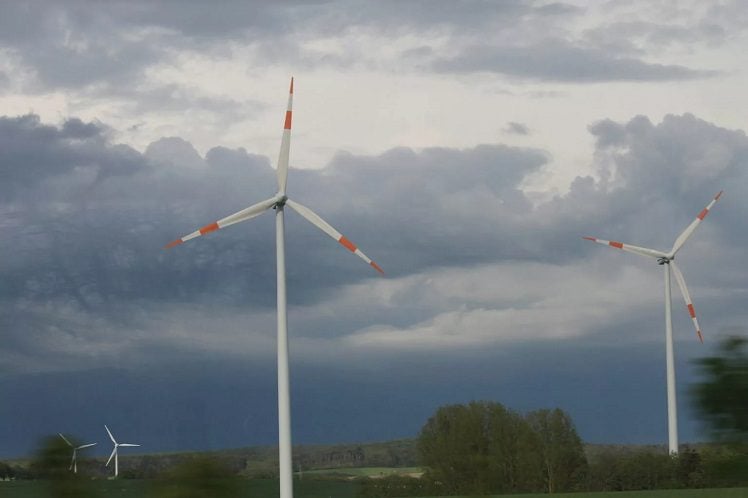
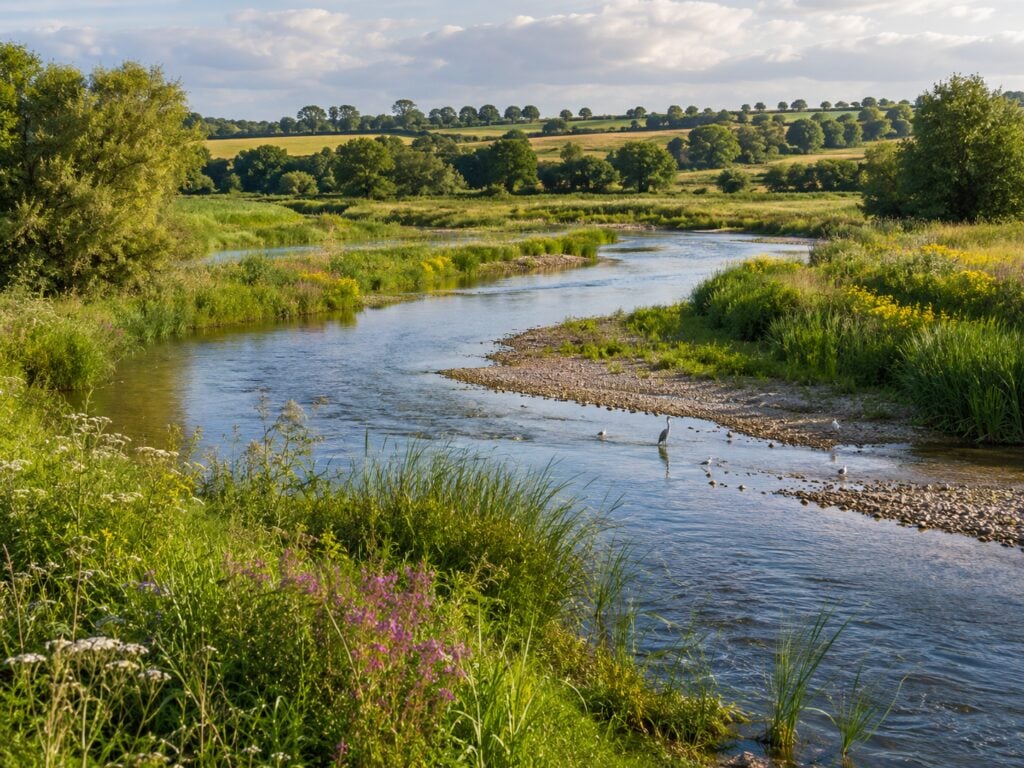
Uruguay did not choose between clean energy and affordable power. It proved both could work together.
In less than two decades, the country moved from heavy dependence on imported fossil fuels to a diversified grid powered almost entirely by renewable energy.
What makes this story powerful to me is that the transition was not built on idealism alone. It came from clear rules, long-term planning, investment, and competition.
Uruguay did more than reduce emissions. It created a more stable, affordable, and resilient electricity system—showing that clean energy can be practical, not just ambitious.
A Small Country Faced a Very Large Energy Problem
Every time the rain stopped, Uruguay’s energy bill became more expensive.
The country relied heavily on hydropower, but during dry years it had to replace lost electricity with costly imported fossil fuels. That left homes and businesses exposed to oil-price spikes, global conflicts, supply disruptions, and weather conditions Uruguay could not control.
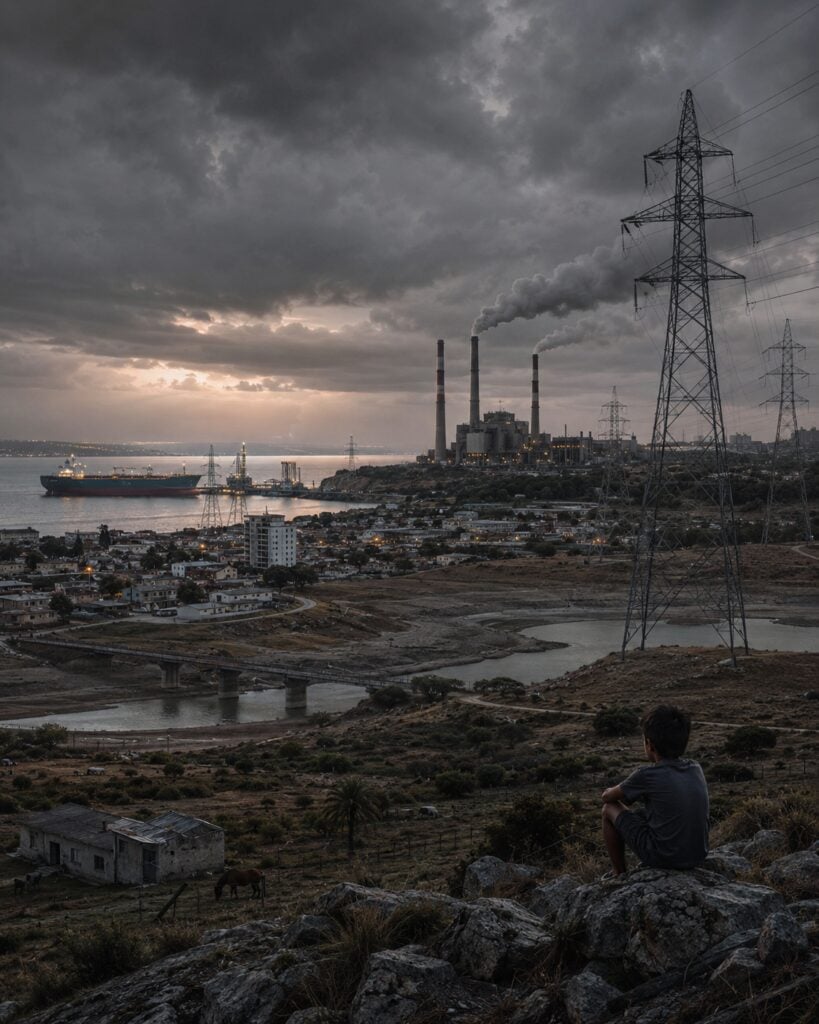
To me, this is the deeper lesson: dependence on imported energy is not only an environmental problem. It is an economic and national-security risk.
By developing domestic renewable power, Uruguay reduced its exposure to unstable markets and gained greater control over its electricity system. Clean energy did more than cut emissions.
It protected the country from crises originating far beyond its borders.
Uruguay Chose a Diverse Renewable Energy Mix
Uruguay did not bet its future on one perfect energy source. It built a system where each source could cover the weaknesses of another.
Hydropower, wind, solar, and biomass all play different roles.
Wind and solar reduce pressure on reservoirs, hydropower can respond when conditions change, and biomass provides steadier electricity when weather-dependent sources slow down.
To me, this is the real strength of Uruguay’s model. Resilience does not come from finding one flawless technology. It comes from combining several reliable options into a system that can adapt.
Uruguay’s success shows that a stronger energy future is not built on a single solution, but on balance, flexibility, and smart planning.
Clear Policies Made Private Investment Possible
Uruguay’s renewable revolution did not begin with a wind turbine. It began with rules investors could trust.
The technology already existed, but major projects required stable policies, transparent auctions, and long-term electricity contracts. These agreements gave developers confidence that their investment could earn predictable returns.
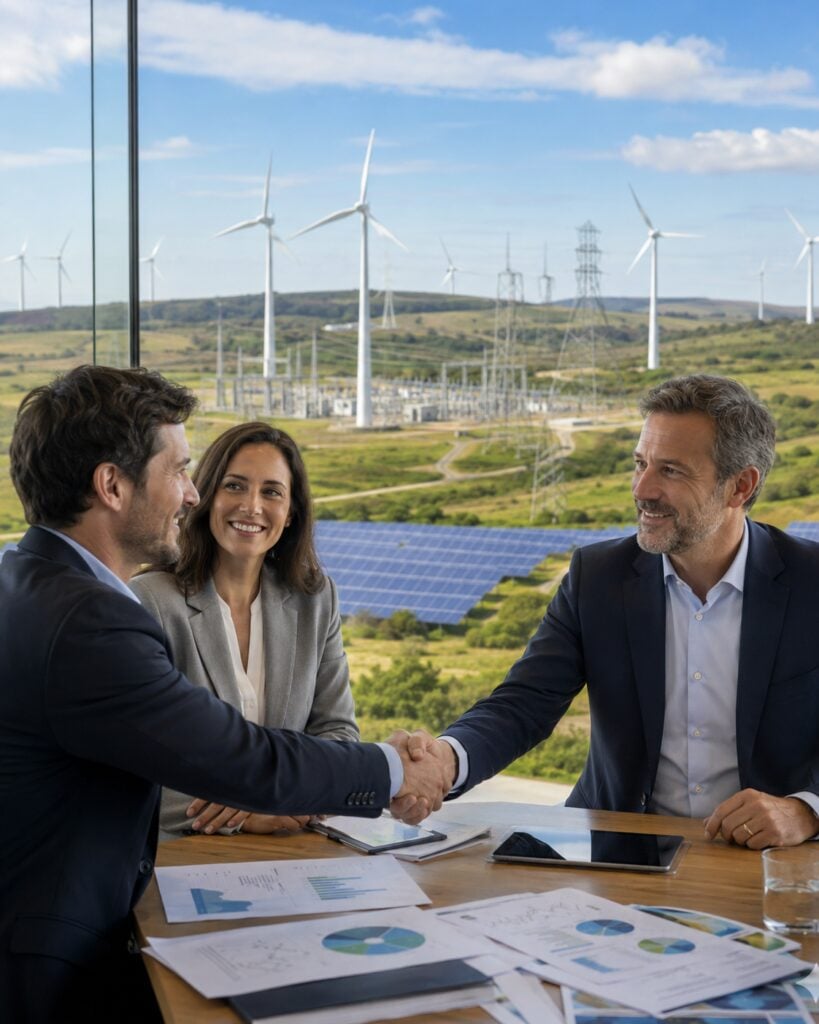
Instead of funding every project itself, the government created fair conditions that attracted private capital and encouraged competition.
To me, this is one of Uruguay’s most practical lessons. Clean-energy growth does not always depend on massive subsidies. Sometimes it begins with something simpler: clear rules, reliable commitments, and the confidence that good policies will not disappear overnight.
Renewable Energy Helped Lower Electricity Costs
Uruguay challenged the idea that renewable energy must cost more. By replacing imported oil and gas with domestic wind, solar, hydropower, and biomass, the country reduced its exposure to global price shocks.
Renewable infrastructure still requires major investment, but its long-term costs are more predictable. A gas plant must keep buying gas. A wind farm needs maintenance, but it never has to purchase the wind.
To me, that difference explains much of Uruguay’s success. Clean energy was not only better for the climate. It gave the country greater control over its costs and reduced its dependence on unstable foreign fuel markets.
The Transition Improved Energy Security
By replacing imported fossil fuels with domestic renewable power, the country reduced its exposure to global price spikes and supply disruptions. That gave households, businesses, and policymakers a more stable and predictable energy system.
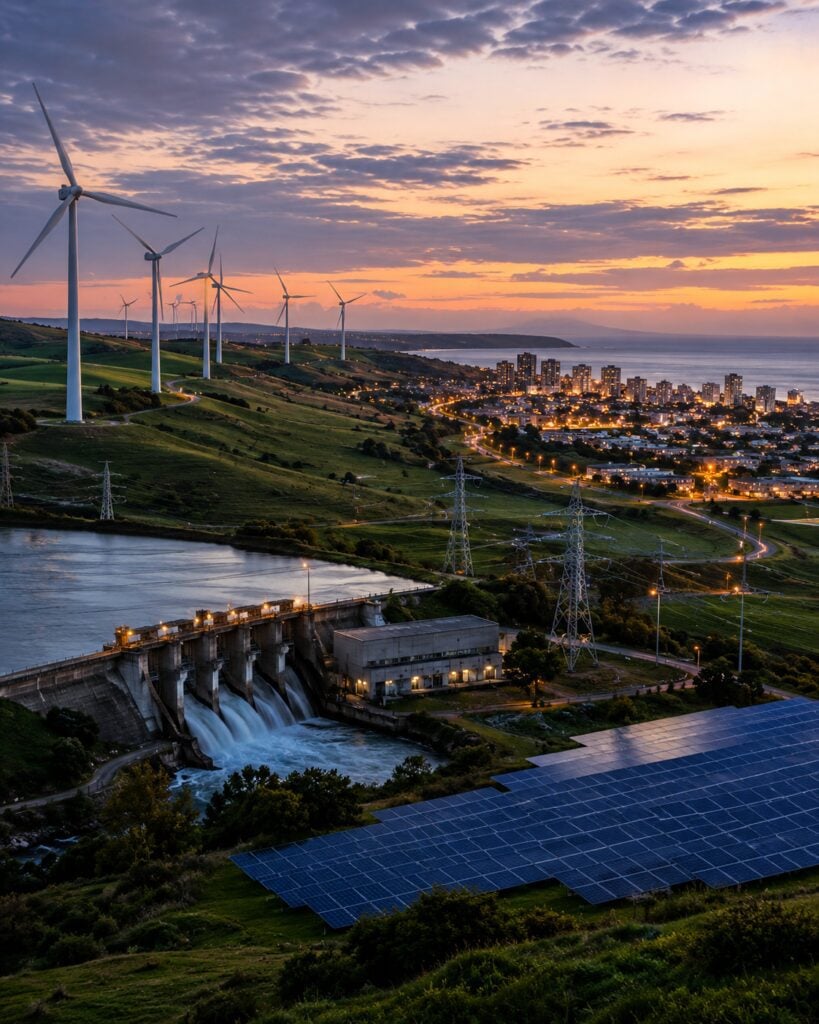
Uruguay could also export surplus electricity when production exceeded demand, turning energy security into economic opportunity.
To me, this is what makes the transition so powerful.
Clean energy did more than lower emissions. It reduced dependence, strengthened the economy, and gave the country greater control over its future.
Clean Energy Created Jobs and New Skills
A clean-energy transition is not built only with turbines and solar panels. It is built by people who know how to install, operate, and maintain them.
Uruguay’s renewable expansion created work in construction, engineering, transport, electrical services, and technical maintenance. It also increased demand for new training and specialised skills.
Still, workers in declining industries should not be left behind.
To me, that is one of the most important lessons: training must begin before the transition, not after jobs disappear.
A successful energy shift does more than replace infrastructure. It gives people a real place in the economy being created.
Reliability Did Not Require Fossil-Fuel Dependence
A reliable power grid does not depend on perfect weather. It depends on smart balance.
Uruguay combines wind, solar, hydropower, biomass, and regional electricity connections so each source can support the others. Hydropower adds flexibility, while transmission and backup systems help keep supply stable when conditions change.
To me, this is the key lesson: reliability should be judged by the whole system, not by whether one turbine or solar panel produces electricity every moment.
Renewable energy is not automatically unreliable. With diverse sources, strong grids, careful forecasting, and proper planning, it can provide dependable power at a national scale.
What Other Countries Can Learn From Uruguay?
Every country has different resources, so the right energy mix will vary. What matters is understanding local strengths, building reliable grids, creating fair rules, training workers, and keeping policies stable long enough for investment to grow.
To me, resilience comes from avoiding dependence on one fuel, one technology, or one foreign supplier.
Individuals may not control national policy, but we can support efficient energy use and long-term planning. After all, the cleanest electricity is often the electricity we never needed to generate.
Clean Energy Does Not Have to Mean Sacrifice
By reducing dependence on imported fuels, Uruguay lowered its exposure to price shocks, attracted investment, created jobs, and strengthened energy security.
Its electricity system became cleaner without becoming less reliable.
The transition still required years of planning, stable policies, and major infrastructure investment. But to me, that is what makes the result so powerful: it worked beyond promises and political slogans.
Uruguay proves that environmental responsibility and economic strength do not have to compete. With consistent planning, clean energy can become the safer, more affordable, and more resilient choice.