There’s something incredibly satisfying about pulling a perfectly grown carrot from the soil, but I’ve learned that timing is what makes the difference between a bland root and one that’s naturally sweet, crisp, and full of flavor.
When I first started growing carrots, I made the mistake of harvesting too early or waiting too long, not realizing that carrots have a precise window where they reach their peak.
In this guide, I’m going to share exactly how I learned to read the signs, understand the growth stages, and harvest at the perfect moment so you can consistently grow carrots that are not just bigger, but taste noticeably better every single time.
Why Timing Matters More Than You Think?
I used to think growing carrots was simple. Plant them, water them, and pull them out when they “look ready.” But after a few disappointing harvests, I realized something important. Timing is everything.
Harvest too early and you get thin, flavorless roots. Wait too long and they turn woody or start flowering.

What changed everything for me was understanding the growth stages of carrots. Once I learned how to read the signs from the leaves, root size, and plant behavior, my harvests became sweeter, bigger, and more consistent.
Understanding the Carrot Growth Timeline
When I first started growing carrots, I didn’t realize they follow a very predictable timeline. Knowing this timeline helped me stop guessing and start harvesting with confidence.
Carrots typically grow in stages over about 9 to 13 weeks. Each stage tells you something important about what’s happening underground.
The early stage, around week 1 to week 2, is when seedlings appear. At this point, the plant is focused on establishing roots, not growing the edible carrot yet.

By week 5, the plant enters a stronger vegetative phase. I noticed the leaves becoming fuller and more vibrant. This is when the plant is building energy.
Around week 7, the real magic begins. This is the bulking stage. The root starts thickening underground. You won’t see much above the soil, but below, the carrot is forming its shape and storing sugars.
By week 9, the carrot is usually ready for harvesting. This is the sweet spot I aim for. The root is full-sized, and the flavor is at its peak.
After week 11, I noticed the plant begins to slow down. Growth becomes minimal, and if left longer, it may enter the flowering stage, which affects taste.
Understanding this timeline gave me clarity. Instead of guessing, I now observe and plan my harvest around these stages.
The Clear Signs Your Carrots Are Ready to Harvest
At first, I relied only on time. But over time, I learned that carrots give visual clues when they are ready.
One of the first signs I look for is the size of the carrot top at the soil surface. If the top of the root is about 1 to 2 centimeters in diameter, that’s usually a good indicator it’s ready.
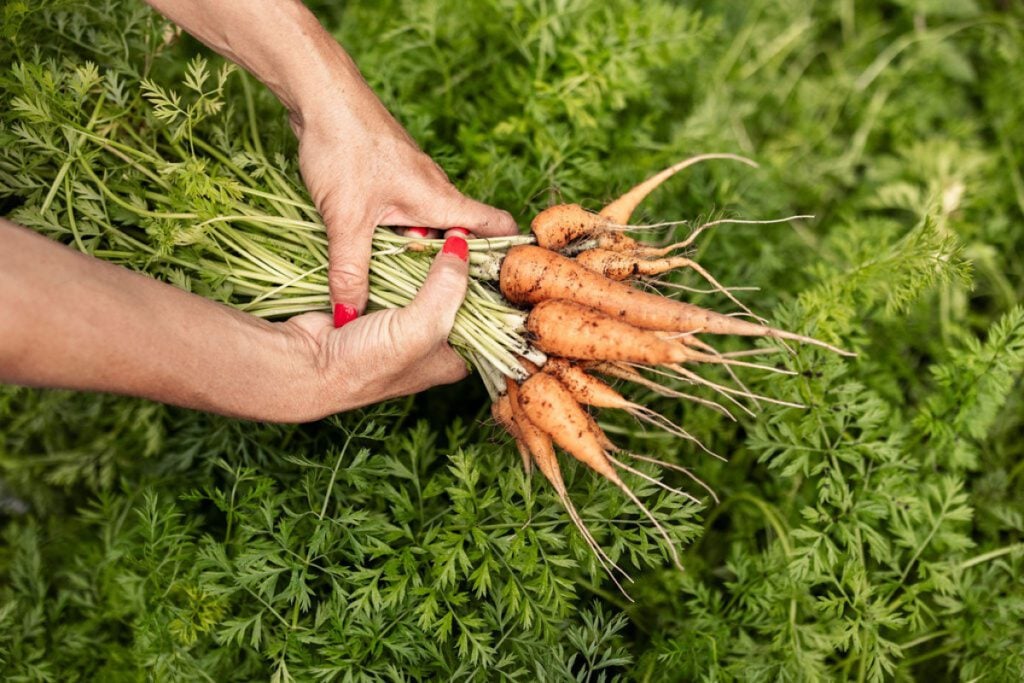
Another sign is the leaf growth. When the leaves are lush, thick, and healthy, it often means the root has developed well. But when I see leaf growth starting to slow down or stop, that’s a signal the plant has reached maturity.
I also gently brush away a little soil to peek at the top of the carrot. This simple trick has saved me from harvesting too early many times.
From my experience, the best carrots are harvested when they are firm, bright in color, and slightly pushing out of the soil. That’s when I know they are at their sweetest.
What Happens If You Harvest Too Early?
I made this mistake many times in the beginning. I would get excited and pull carrots too soon. The result was always disappointing. The carrots were small, thin, and lacked flavor. They tasted more like raw starch than the sweet crunch I was expecting.
What I learned is that carrots develop their sweetness during the bulking stage. If you harvest before this stage is complete, you miss out on that natural sugar development.
Now, I always remind myself to be patient. Waiting just a couple more weeks can make a huge difference in size and taste.
What Happens If You Wait Too Long?
On the other hand, waiting too long can also ruin your harvest.
I once left a batch of carrots in the ground for too long, thinking they would get even bigger. Instead, they became tough and woody. Some even started to split.

Worse, some plants began to flower. When carrots flower, they shift their energy away from the root. This makes the carrot less sweet and more fibrous.
From that experience, I learned that bigger is not always better. There is a perfect window for harvesting, and missing it on either side affects quality.
My Ideal Harvest Window
Over time, I found my perfect harvesting window. For most carrot varieties, I aim for around week 9 to week 11. This is when the roots are fully developed but still tender and sweet.
During this period, the leaves are still green but not aggressively growing. The root is firm, smooth, and has a rich color.
This is the stage shown in the image you shared, where the carrot is labeled as “full-sized and flavorful.” That is exactly the moment I aim for in my garden.
Harvesting in this window consistently gives me the best results.
How I Harvest Carrots Without Damaging Them?

Harvesting carrots may seem simple, but doing it properly makes a big difference.
I always start by watering the soil lightly before harvesting. This softens the ground and makes it easier to pull the carrots without breaking them.
Then I gently loosen the soil around the carrot using my hands or a small garden tool. After that, I pull the carrot slowly from the base of the leaves.
One mistake I used to make was pulling too hard. This often caused the top to snap off, leaving the root stuck in the ground.
Now I take my time, and it makes the process smoother and more satisfying.
Tips to Grow Bigger and Sweeter Carrots
Through trial and error, I discovered a few key tips that improved my carrot harvest significantly. First, soil quality is everything. Carrots need loose, well-drained soil. If the soil is too compact, the roots cannot grow properly.
Second, consistent watering is crucial. I keep the soil evenly moist but not waterlogged. This helps the carrots grow evenly and prevents cracking.
Third, spacing matters. I used to plant carrots too close together, which limited their growth. Now I thin them out early, giving each plant enough space.
Finally, sunlight plays a big role. I make sure my carrots get at least 6 hours of sunlight each day. These small adjustments made a huge difference in both size and flavor.
Why Leaf Growth Tells You Everything?
One of the biggest lessons I learned is to pay attention to the leaves. Healthy, vibrant leaves usually mean the root is developing well. But when leaf growth slows or becomes less active, it’s a sign the carrot has reached maturity.

In the image, you can see how leaf growth eventually slows before flowering begins. That stage is critical. It tells you that your harvest window is closing.
Now, instead of guessing, I simply observe the leaves. They tell me exactly when to harvest.
Avoiding the Flowering Stage
Flowering is something I try to avoid at all costs. Once a carrot plant starts producing white umbrella-like flowers, the root quality declines quickly. The texture becomes tough, and the flavor loses its sweetness.
This usually happens if the carrot is left in the ground too long or exposed to stress like temperature changes.
To avoid this, I make sure to harvest before week 13 and keep an eye on any signs of flowering.
Learning From Experience
Growing carrots taught me patience and observation. At first, I relied on guesswork. But over time, I learned to read the signs. The size of the root, the behavior of the leaves, and the timing of growth stages all became my guide.
Now, harvesting carrots feels less like a gamble and more like a reward. When I pull a perfectly grown carrot from the soil, firm, sweet, and vibrant, it reminds me that understanding the process makes all the difference.
If there’s one thing I would tell anyone starting out, it’s this. Don’t rush. Watch your plants. Trust the timeline. And when the moment is right, harvest with confidence.