I used to believe that more leaves meant more tomatoes, so I let my plants grow as wild as they wanted, thinking I was doing the right thing. But instead of a thriving harvest, I ended up with crowded plants, slow ripening fruit, and constant issues with disease.
Everything shifted when I learned a simple tomato pruning method that most beginner gardeners overlook. It wasn’t complicated or time consuming, but it completely changed how my plants grew and produced.
From that moment on, my approach to gardening became more intentional, and the results were something I never expected.
Why I Started Pruning My Tomato Plants?
When I first started growing tomatoes, I honestly thought more leaves meant more fruit. My plants looked full, green, and healthy, but the harvest told a different story.
The fruits were small, slow to ripen, and some even developed diseases before I could pick them.
That was the moment I realized something was missing in my approach.
After learning about tomato pruning and applying it consistently, everything changed. My plants became stronger, airflow improved, and the fruit production increased significantly.
What surprised me most was how simple the technique actually is once you understand the structure of the plant.
Understanding the Structure of a Tomato Plant
Before I started pruning, I needed to understand what I was looking at. Tomato plants might look messy, but they follow a clear pattern.
The main stem is the central vertical stalk that grows upward. This is the backbone of the plant and where most energy should go. From this stem, branches grow outward, each holding leaves and sometimes flowers.
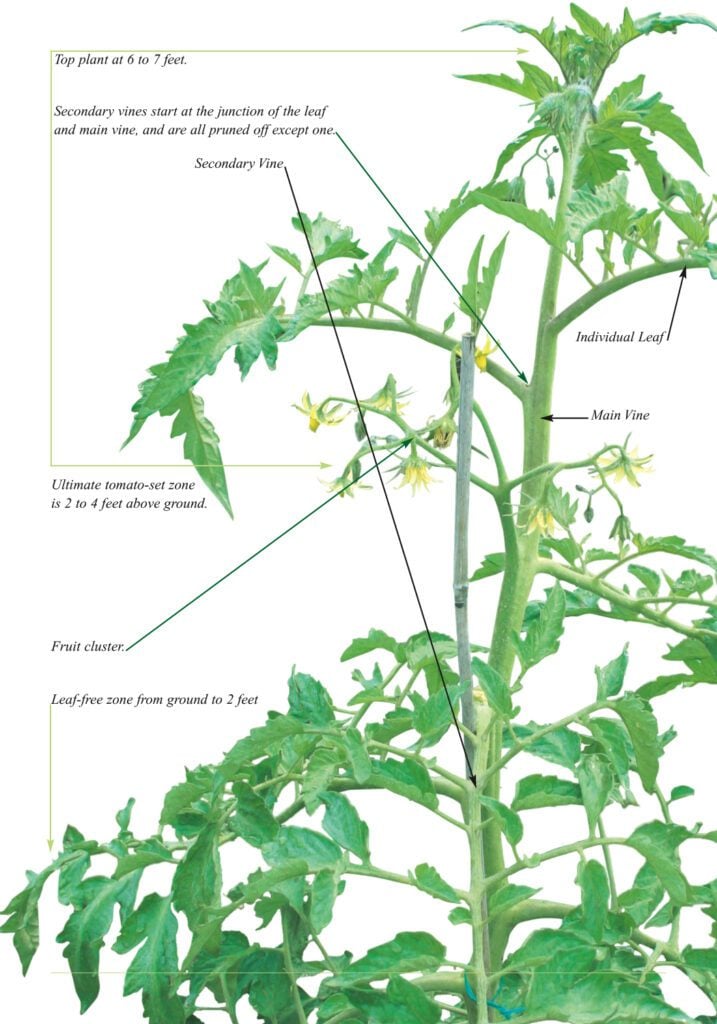
Between the main stem and each branch, there is a small junction called the axil. This is where suckers grow. These suckers are tiny shoots that can quickly turn into full branches if left untouched.
The lowest flower cluster is also important. This is usually the first set of flowers that will turn into fruit, and it plays a key role in deciding what to prune and what to keep.
Once I understood these parts, pruning became much more logical instead of confusing.
What Are Tomato Suckers and Why They Matter?
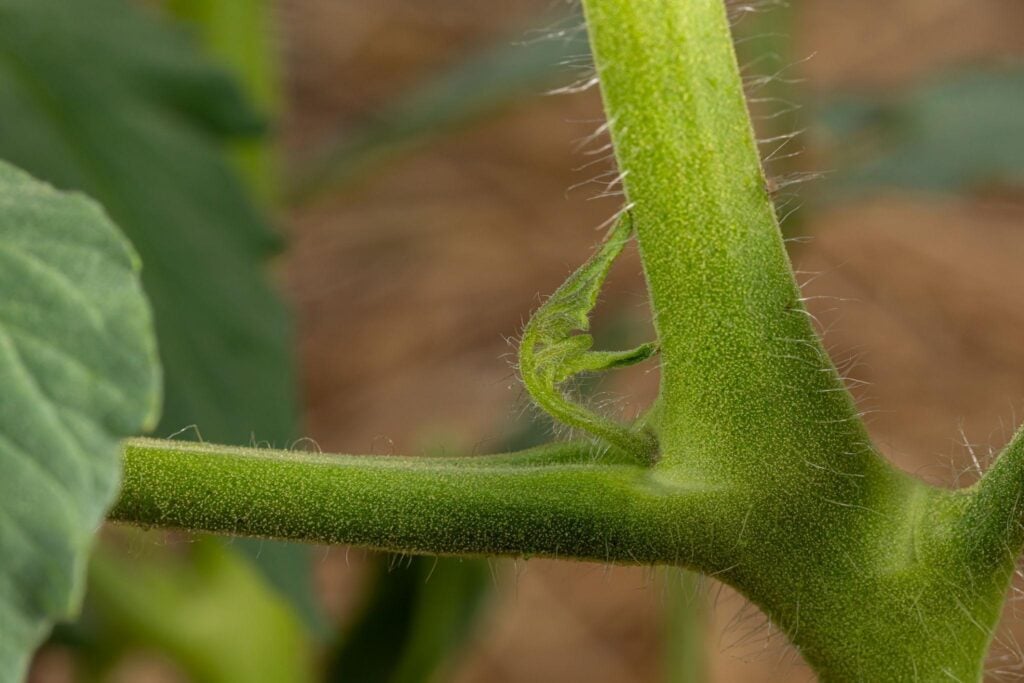
The first time I heard the word sucker, I thought it was something harmful to the plant. In reality, suckers are just new growth, but they compete for energy.
A sucker grows in the axil between the main stem and a leaf branch. If I leave it alone, it becomes a new stem that produces more leaves and possibly more fruit.
That sounds good at first, but too many suckers create problems.
The plant becomes overcrowded. Airflow decreases. Sunlight cannot reach the inner leaves. This creates the perfect environment for diseases like fungal infections.
From my experience, letting all suckers grow leads to a bushy plant that looks impressive but produces less quality fruit. Pruning helps redirect the plant’s energy into fewer, stronger stems and better tomatoes.
The One Sucker Rule That Changed Everything
One of the most valuable lessons I learned is to keep only the first sucker under the lowest flower cluster.
This sucker is special. It grows strong and can act as a secondary main stem. By keeping this one and removing the others, I give the plant a balanced structure without overcrowding it.
When I started following this rule, my plants became easier to manage. They grew taller instead of wider, and the fruits developed more evenly.
It also made staking and supporting the plant much simpler, since there were fewer branches to handle.
How I Identify Which Suckers to Remove
At first, I was afraid of cutting the wrong part of the plant. But over time, I developed a simple way to identify what to remove.
I look at the junction between the main stem and each leaf branch. If I see a small new shoot growing there, that is a sucker.
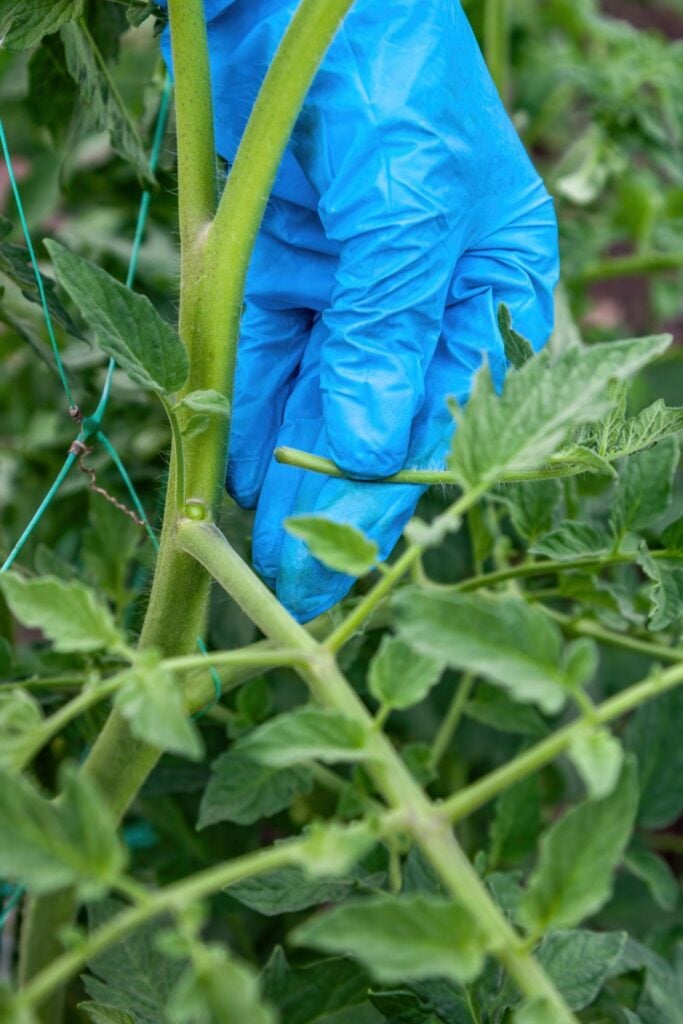
Then I check its position. If it is below the lowest flower cluster and it is the first strong sucker, I keep it. Any suckers above that or additional ones below get removed.
The key is consistency. I check my plants every few days, especially during the growing season, because suckers can grow quickly.
Removing Suckers the Right Way
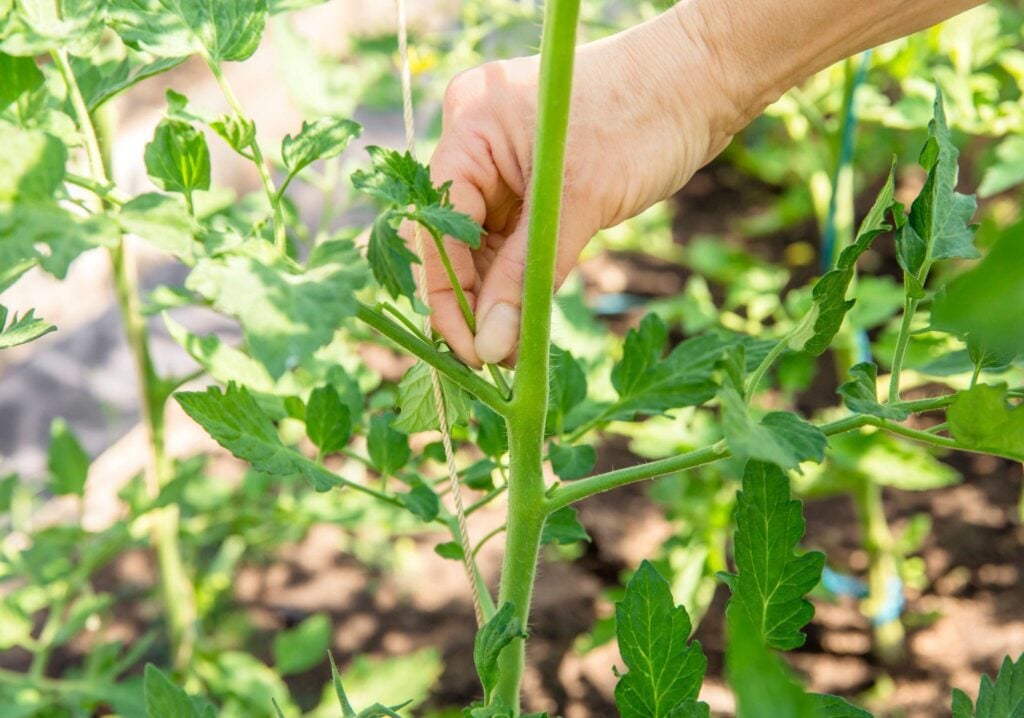
Pruning is not just about what to remove, but how to do it. When the sucker is small, I simply pinch it off using my fingers. It snaps easily and causes minimal stress to the plant.
This is my preferred method because it is quick and clean.
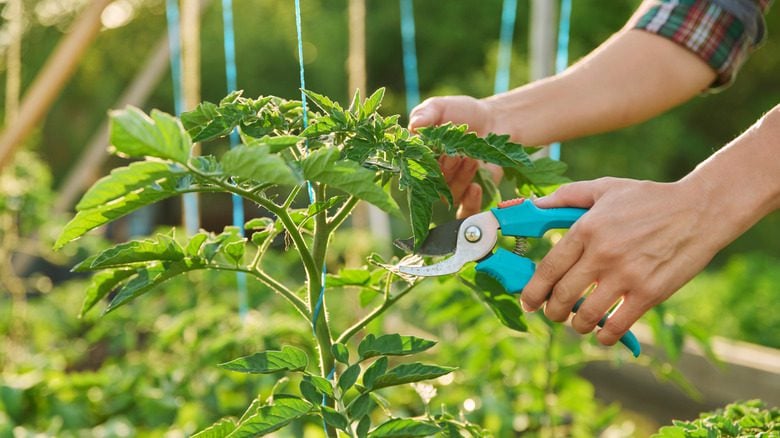
If the sucker has grown larger, I use clean scissors or pruning shears. I make a precise cut close to the stem without damaging it.
I always prune in the morning when the plant is dry. This reduces the risk of disease and allows the plant to heal faster.
Why Removing Lower Growth Makes a Big Difference?
Another thing I learned is the importance of removing lower leaves and root suckers.
The bottom part of the plant is closest to the soil, where moisture and pathogens are more common. By removing these lower leaves, I reduce the risk of soil-borne diseases splashing onto the plant.
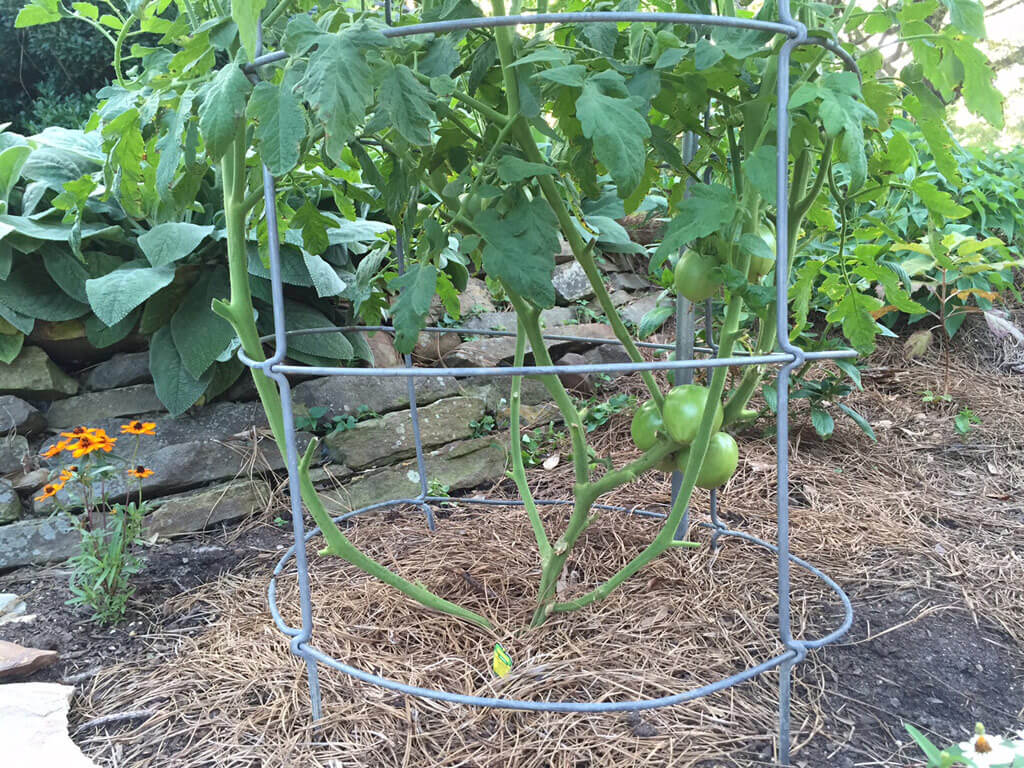
Root suckers, which grow near the base, also take energy away from the main plant. Removing them keeps the plant focused on producing fruit rather than unnecessary growth.
This small step made a noticeable difference in plant health in my garden.
The Benefits I Noticed After Pruning
After consistently pruning my tomato plants, the results were clear. First, the airflow improved significantly. The plants dried faster after watering or rain, which reduced disease problems.
Second, the fruits grew larger and ripened more evenly. Instead of many small tomatoes, I got fewer but higher quality ones. Third, harvesting became easier.
With fewer leaves in the way, I could see and pick ripe tomatoes without missing them.
Finally, the plants looked cleaner and more organized, which made the entire garden feel more manageable.
Common Mistakes I Made and How to Avoid Them
In the beginning, I made several mistakes that slowed my progress. One mistake was removing too many leaves at once. This stressed the plant and reduced its ability to photosynthesize.
I learned to prune gradually instead of aggressively.
Another mistake was ignoring pruning for too long. When I finally tried to fix the plant, the suckers were already too large, making pruning more difficult.
I also used unclean tools at one point, which increased the risk of spreading disease. Now I always make sure my tools are clean before pruning.
The biggest lesson is to stay consistent and gentle with the process.
When to Prune for Best Results?
Timing plays an important role in tomato pruning. I usually start pruning when the plant is young and has developed its first few sets of leaves. This helps shape the plant early.
During the growing season, I check the plants regularly, about once or twice a week. This keeps the suckers under control before they grow too large.
I avoid heavy pruning during extreme heat or when the plant is under stress. The goal is to support the plant, not shock it.
From My Experience
Tomato pruning might seem intimidating at first, but once I understood the basics, it became one of the easiest and most rewarding parts of gardening.
By focusing on the main stem, keeping only the essential sucker, and removing unnecessary growth, I was able to grow healthier plants and enjoy better harvests.
The best part is that this method does not require any special tools or advanced skills. It is simple, practical, and highly effective.
If you are growing tomatoes and want to improve your results, I highly recommend trying this pruning approach. It completely changed the way I garden, and I believe it can do the same for you.Why I Started Pruning My Tomato Plants
When I first started growing tomatoes, I honestly thought more leaves meant more fruit. My plants looked full, green, and healthy, but the harvest told a different story. The fruits were small, slow to ripen, and some even developed diseases before I could pick them.
That was the moment I realized something was missing in my approach.
After learning about tomato pruning and applying it consistently, everything changed. My plants became stronger, airflow improved, and the fruit production increased significantly.