
A few years ago, I noticed how much water my garden needed during the dry months. My water bill kept climbing, and I realized I was wasting perfectly good rainwater that ran off my roof. So, I decided to install a few rain barrels.
It turned out to be one of the best decisions I’ve made for my garden. The setup was simple, and the results were immediate—healthier plants, lower bills, and a more reliable water source.
Why I Decided to Use Rain Barrels?
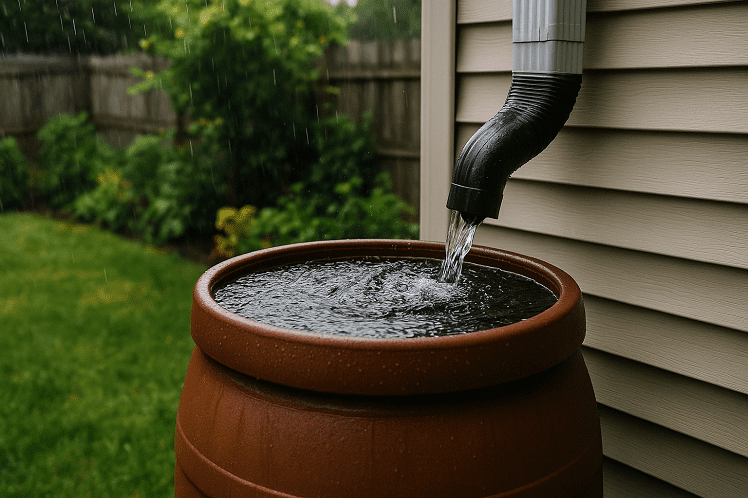
I started small. I bought one 200-liter rain barrel and placed it under the downspout behind my shed. Within the first rainfall, it filled up completely. Seeing how fast it collected water was eye-opening. It made me realize how much water I’d been wasting every year.
What convinced me to expand the system was the difference I saw in my plants.
They responded better to rainwater than tap water. My herbs looked greener, my tomatoes grew faster, and even my houseplants perked up when I used rainwater.
That’s when I added two more barrels and connected them together using short hoses.
Setting Up My Rain Barrel System
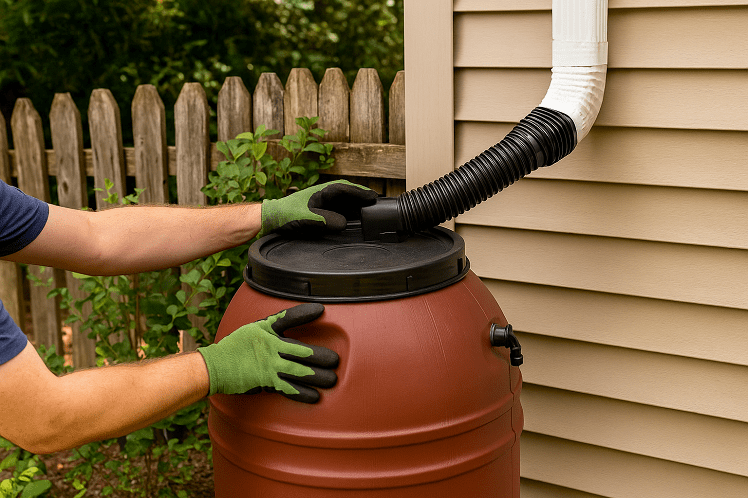
You don’t need fancy equipment to start collecting rainwater. I used a basic setup anyone can build in a few hours. Here’s how I did it:
- Choosing the spot. I placed my barrels directly under the downspouts of my gutters where rain flows naturally. I made sure they were on level ground.
- Building a base. I used cinder blocks to lift the barrels about 30 centimeters off the ground. This height helps with water pressure when filling watering cans.
- Installing the diverter. I attached a rainwater diverter to my downspout. This small tool redirects water into the barrel when it rains and automatically stops when it’s full.
- Adding a filter. I covered the opening with a fine mesh screen to keep leaves, mosquitoes, and debris out.
- Connecting barrels. I linked two barrels together with a small hose at the bottom. When one fills up, the water flows into the next.
It didn’t take long to set up, and the entire system has worked smoothly since then.
What I Learned About Storing Rainwater?
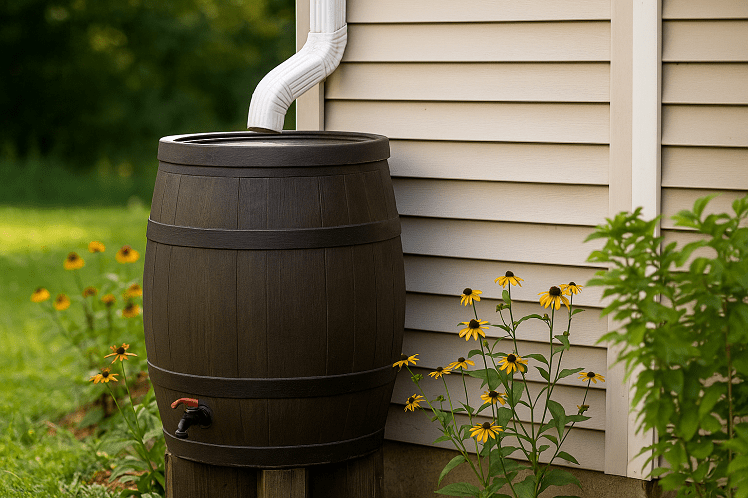
At first, I made a few mistakes. I left one barrel uncovered, and within days, I found mosquito larvae inside. Since then, I always keep all barrels sealed with tight-fitting lids or mesh.
I also learned that sitting water can develop algae if it’s exposed to sunlight. To prevent this, I painted my barrels dark green to block light and keep the water cooler.
This small change made the stored water stay clean much longer.
Tip: Add a tablespoon of vegetable oil to the surface once a month. It forms a thin layer that discourages mosquitoes from breeding without harming plants.
Using Rainwater in the Garden
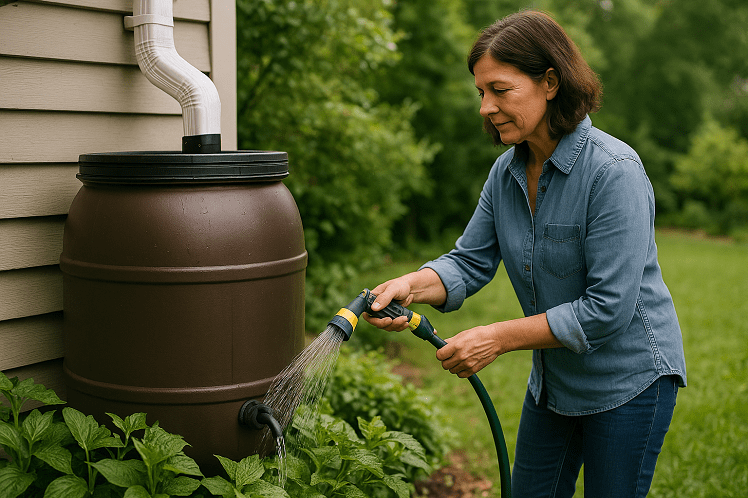
Rainwater is soft and free from chlorine or fluoride, which makes it perfect for plants. I use it for everything — watering vegetables, cleaning tools, and even rinsing harvested produce.
During the growing season, I fill my watering cans directly from the spigot near the base of the barrel.
On dry weeks, I connect a soaker hose to the outlet and let it slowly water my garden beds.
What surprised me most was how far one rainstorm could go. Just 25 millimeters of rain on my small roof fills over 400 liters in total. That’s enough to water my vegetable beds for more than a week.
How I Keep the System Clean?
Once every few months, I empty the barrels completely and rinse them with a vinegar and water mix. It removes algae, dirt, and any sediment buildup. I also check the downspouts for leaves and clean the mesh filter.
Keeping it simple and regular has kept the water clear year after year.
Pro tip: If you live where temperatures drop below freezing, empty and disconnect the barrels in winter. Ice can crack the plastic. I store mine upside down until spring.
Unexpected Benefits
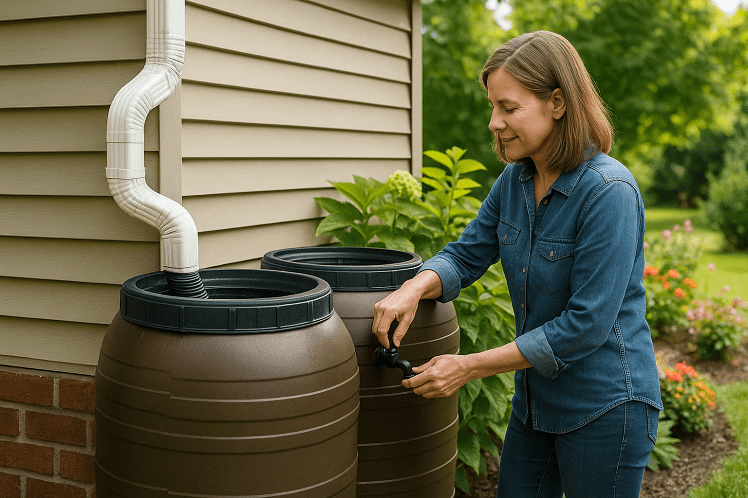
I initially started using rain barrels to save water, but the benefits went beyond that. My soil improved because rainwater doesn’t contain the salts and chemicals found in tap water.
The plants grew more evenly and seemed less stressed.
It also helped reduce soil erosion around my house. By catching rain runoff, I prevented water from pooling in low areas of the yard. That used to be a problem every rainy season.
Another bonus was how it changed my watering routine. Instead of dragging a hose every morning, I simply fill a can from the barrel near each section of the garden.
It’s quieter, easier, and feels more sustainable.
Common Mistakes I Avoid Now
After a few years of using rain barrels, I learned what not to do:
- Don’t place them directly on the soil. The weight will cause them to sink. Always use a stable base.
- Don’t leave them uncovered. Even a small gap invites mosquitoes and algae.
- Don’t collect from roofs with lead paint or tar shingles. These can contaminate the water.
- Don’t ignore maintenance. Clean filters and gutters regularly for clear water flow.
Following these steps keeps the water fresh and the system working efficiently all season.
Small Tricks That Made a Big Difference
- I added a short garden hose to the spigot so I could fill watering cans without splashing.
- I used quick-connect fittings to switch between barrels and hoses easily.
- I labeled barrels for different uses — one for vegetables, one for ornamental plants, and one for tool cleaning.
- I placed a bucket under the overflow pipe to catch any extra water.
These little upgrades made my system easier to use and manage every day.
What I’d Do Differently Next Time?

If I were setting up from scratch again, I’d install a first-flush diverter—a small attachment that captures the first few liters of dirty roof runoff before it enters the barrel. It helps keep the stored water cleaner.
I’d also connect a rain gauge to track how much water I collect. Seeing the numbers would help plan watering better during dry spells.
Lastly, I’d place one barrel closer to my greenhouse since carrying heavy cans that far gets tiring.


