
Composting is one of the easiest and most effective ways to create a positive environmental impact, and it’s something I’ve personally embraced over the past few years. What started as a simple project in my backyard has now become a sustainable practice that benefits both my garden and the planet.
The best part? You don’t need fancy equipment or a lot of space to start composting at home. Let’s explore why composting is something I strongly recommend to everyone.
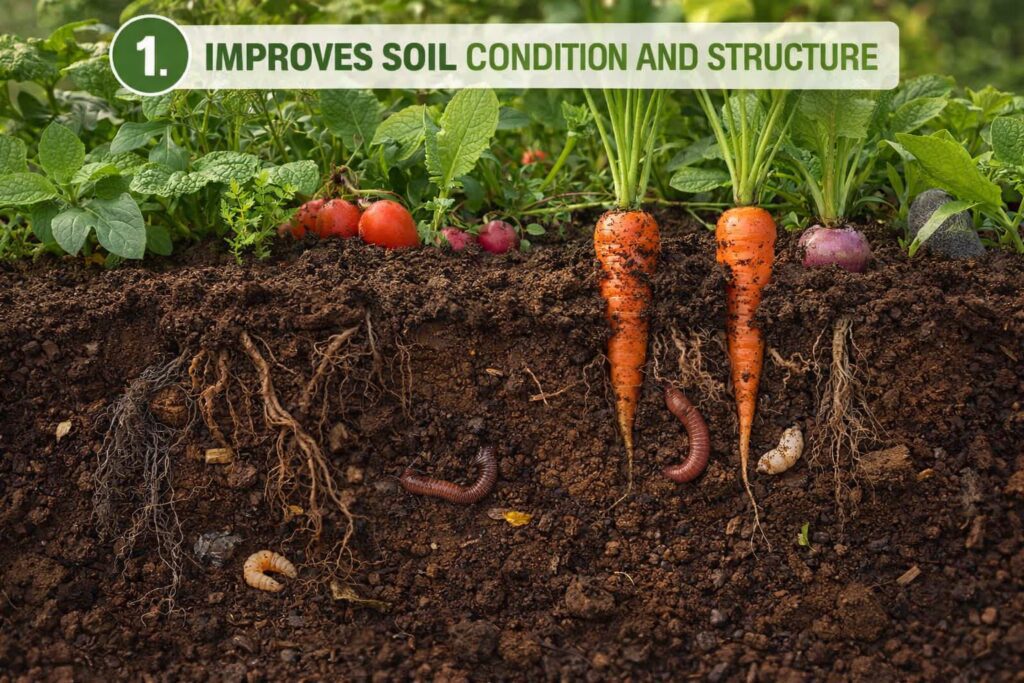
1. Improves Soil Condition and Structure
Soil is the foundation of any healthy garden. It’s where plants get their nutrients, and it’s essential for growth. Over time, I’ve found that composting dramatically improves soil condition and structure.
When you add compost to your garden, it works as a natural conditioner for your soil.
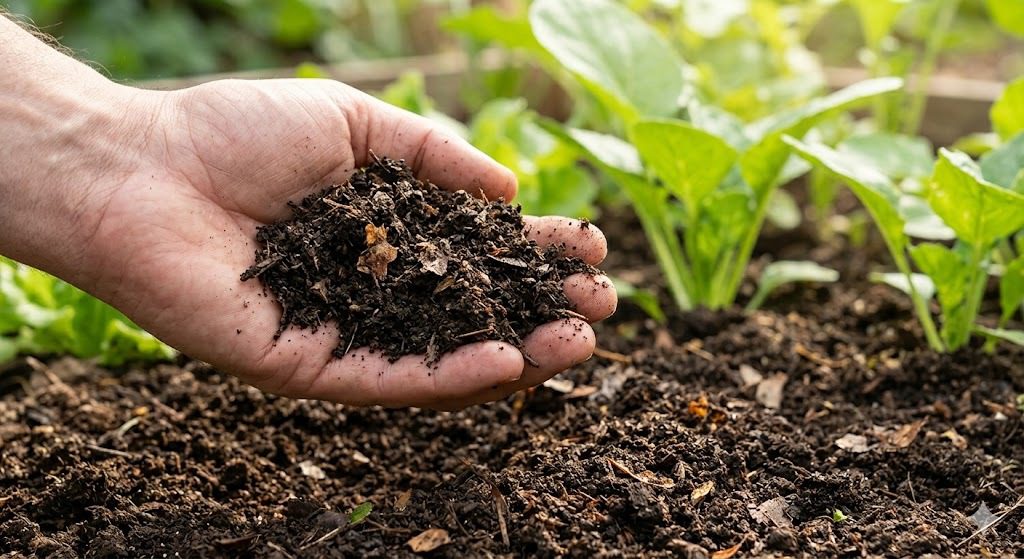
At first, I was unsure of how compost would affect the soil, but after consistently adding organic matter to my garden, I noticed significant changes. The soil became richer and more porous, which allowed it to retain moisture better.
It also became easier to till and work with, making planting much more enjoyable.
The key to healthy soil is maintaining a good balance of nutrients, moisture, and air circulation. Compost does exactly that by enriching the soil with organic matter, which helps create the ideal environment for plant roots.
As the organic matter decomposes, it improves soil aeration, allowing for better root growth and enhancing the soil’s ability to hold nutrients.
How Composting Benefits Soil?
Composting is one of the best ways to improve your soil’s health and vitality. By adding compost, you can enhance the soil’s ability to retain moisture while also ensuring it drains excess water, providing the perfect balance for plant growth.
Compost also improves soil structure, making it more friable (crumbly), which allows plants’ roots to grow deeper and stronger.
Let’s explore how composting can transform your soil and create a healthier environment for your plants to thrive.
- Better Drainage: Compost helps the soil retain moisture while also draining excess water, which is critical for plant health.
- Enhanced Structure: The addition of compost helps soil become more friable (crumbly), which makes it easier for plants to root.
2. Increases the Soil’s Ability to Hold Water
One of the most immediate benefits I noticed when I started composting was how much better the soil in my garden could hold water. This was particularly helpful during hot summer months when I didn’t want to water my plants every day.
Compost helps improve the water-holding capacity of the soil, which means less water is lost to evaporation and plants can access moisture for longer periods.
Over time, I found that I didn’t need to water my garden as frequently, which not only saved water but also reduced my water bill. Compost’s ability to retain moisture is one of the most valuable benefits, especially if you’re in an area prone to drought or water restrictions.
Why Compost Helps with Water Retention?
Composting is a game-changer when it comes to water retention in your garden. Compost acts like a sponge, absorbing water and slowly releasing it over time, ensuring that your plants have a steady and reliable water supply.
It also helps control moisture by reducing surface evaporation, which means your garden stays hydrated longer, even during dry spells.
Let’s dive into why compost is such an effective tool for keeping your garden well-watered and thriving.
- Water Absorption: Compost absorbs water like a sponge and slowly releases it, ensuring plants have a steady supply.
- Moisture Control: It reduces surface evaporation, which can help keep your garden hydrated longer without needing extra watering.
3. Supports Living Organisms
The benefits of composting go beyond just improving soil structure and moisture retention—it also supports a thriving ecosystem of living organisms.
Over time, I started to see more earthworms, bugs, and other beneficial organisms in my compost pile and garden. These creatures are essential for breaking down organic matter and enriching the soil.
When you compost, you’re essentially creating a thriving micro-ecosystem right in your backyard. Beneficial microorganisms, such as bacteria and fungi, work to break down organic matter, turning it into nutrient-rich humus that plants love.
Earthworms, ants, and other small creatures also benefit from the compost, as it provides them with food and a safe environment.
How Compost Supports Life?
Composting does more than just enrich your soil—it supports a thriving ecosystem beneath the surface. The microbes in compost break down organic materials, turning them into valuable nutrients that nourish plants.
Additionally, compost provides a home for earthworms, insects, and other beneficial creatures that naturally improve soil structure and enhance its fertility.
Let’s explore how compost supports life in your garden, creating a healthier, more vibrant growing environment.
- Microbial Activity: The microbes in compost help decompose organic materials, enriching the soil with beneficial nutrients.
- Earthworms and Other Creatures: Compost provides a habitat for earthworms, insects, and other creatures that naturally improve soil structure.
4. Helps Dissolve Mineral Forms of Nutrients
One of the most fascinating aspects of composting that I’ve discovered is how it helps to break down mineral forms of nutrients in the soil.
Plants absorb nutrients in a variety of ways, and compost plays a crucial role in making nutrients more accessible. It enhances the process of nutrient cycling by converting organic waste into usable minerals.
When organic matter breaks down in the composting process, it releases important minerals and nutrients like nitrogen, phosphorus, and potassium. These minerals are essential for plant growth and help your plants thrive.
By adding compost to my garden, I’ve noticed that my plants seem to grow stronger, greener, and more robust.
How Compost Enhances Nutrient Availability?
Compost is a powerful tool for enhancing nutrient availability in your garden. As it breaks down organic matter, compost transforms waste into essential minerals that plants need for strong, healthy growth.
By improving the soil’s nutrient profile, compost makes it easier for plants to access the vital nutrients they require, ensuring they thrive.
Let’s take a closer look at how compost can boost your soil’s fertility and support plant health.
- Breaks Down Organic Matter: Compost breaks down organic waste into essential minerals that plants need for growth.
- Improved Nutrient Uptake: It improves the soil’s nutrient profile, making it easier for plants to access what they need.
5. Helps Return Organic Materials to the Soil and Keeps Them Out of Landfills
One of the biggest environmental benefits of composting is its role in waste reduction. Before I started composting, I had no idea how much organic waste was going into my trash.
Fruit scraps, vegetable peels, coffee grounds, and yard trimmings—all of it was ending up in the landfill.
By composting at home, I’ve been able to divert tons of organic waste from the landfill, which significantly reduces my overall environmental footprint.
Instead of sending organic materials to a landfill where they would decompose anaerobically (producing methane, a potent greenhouse gas), I’m transforming them into valuable compost that nourishes my garden.
Not only does this reduce waste, but it also conserves landfill space, which is crucial as waste disposal becomes an increasing challenge. Plus, by not throwing away compostable materials, I’m saving money on waste removal services.
How Composting Helps Reduce Waste?
Composting is an effective way to reduce waste and minimize our environmental footprint. By diverting organic waste from landfills, composting helps reduce the amount of trash sent to waste sites, keeping valuable materials out of the waste stream.
Additionally, it cuts down on harmful greenhouse gas emissions, making it an environmentally friendly solution.
Let’s explore how composting not only benefits your garden but also plays a crucial role in waste reduction and environmental sustainability.
- Waste Reduction: Composting diverts organic waste from landfills, reducing the amount of trash sent to waste sites.
- Environmental Impact: Composting reduces the production of harmful greenhouse gases and helps close the loop on organic waste.
Why Composting is Worth It?
Composting at home has transformed my approach to gardening and sustainability. It’s a simple yet powerful practice that offers a wide range of benefits, from improving soil health to reducing waste.
Whether you’re an experienced gardener or just starting, composting is a practice that can help you nurture a thriving garden while doing your part to reduce your environmental footprint.
The beauty of composting is that it doesn’t require a lot of space or fancy equipment. Anyone can do it, whether you have a small apartment with a balcony or a large backyard garden.
It’s an easy, natural way to make a significant difference for your plants, your wallet, and the planet.


