
Have you ever wished there was an easier, more natural way to boost your garden’s growth without using harmful chemicals or doing excessive digging? That’s exactly what electroculture promises: a simple, sustainable way to enhance plant vitality using only the Earth’s natural energy.
After trying it myself, I can confidently say that this method is both fascinating and effective. Let me guide you through the basics of electroculture, its benefits, and how you can easily implement it in your own garden.
What is Electroculture?
Electroculture is a method that harnesses the Earth’s natural electric field to boost plant growth. It involves using copper antennas to tap into atmospheric energy, a concept that may sound strange at first but has been gaining traction as an environmentally friendly alternative to conventional farming practices.
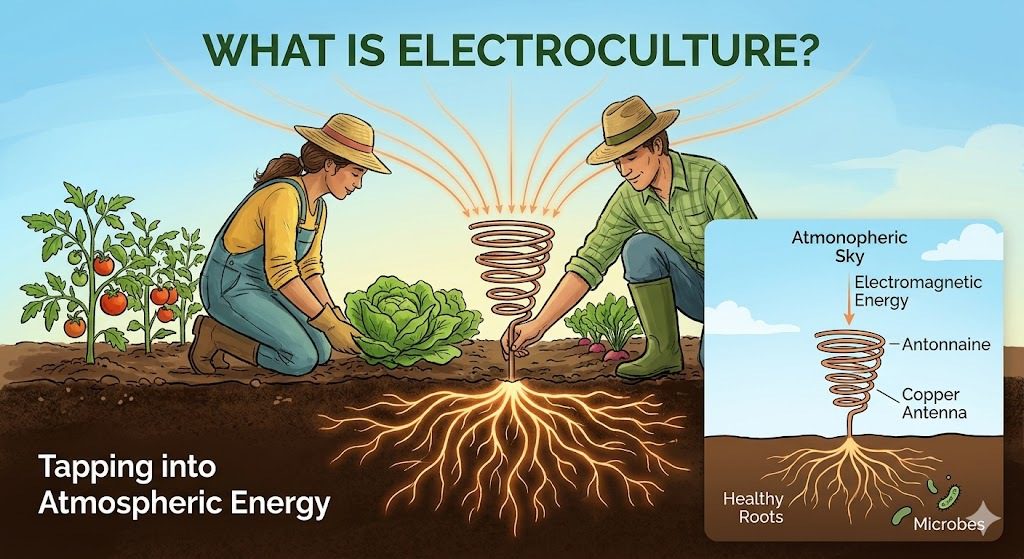
The idea is simple yet powerful: by sticking a copper wire or coil into the soil, you create a pathway for energy to flow from the Earth and sky, giving your plants an extra boost.
When I first came across electroculture, I was skeptical, but after some research and experimentation, I realized that it works by enhancing soil health, increasing yields, and promoting overall plant vitality.
It’s chemical-free, requires no power source, and is completely sustainable—just copper, earth, and sky working together.
How Electroculture Works?
Electroculture works by leveraging the Earth’s natural electrical fields to improve soil and plant health. The concept is based on the idea that plants are sensitive to electrical signals from the environment.
By adding a copper wire or coil into the soil, the antenna-like structure collects atmospheric energy, which helps activate the natural energy in the Earth, creating a beneficial environment for plant growth.
Over time, I observed that plants around the copper wire grew more vigorously. The method seems to encourage soil microbes, enhance nutrient absorption, and improve overall plant resilience.
One of the most remarkable aspects of electroculture is its simplicity. You don’t need complex tools, fertilizers, or irrigation systems to benefit from it—all you need is a basic copper wire and a little bit of space in your garden.
Why Electroculture Is Beneficial for Your Garden?
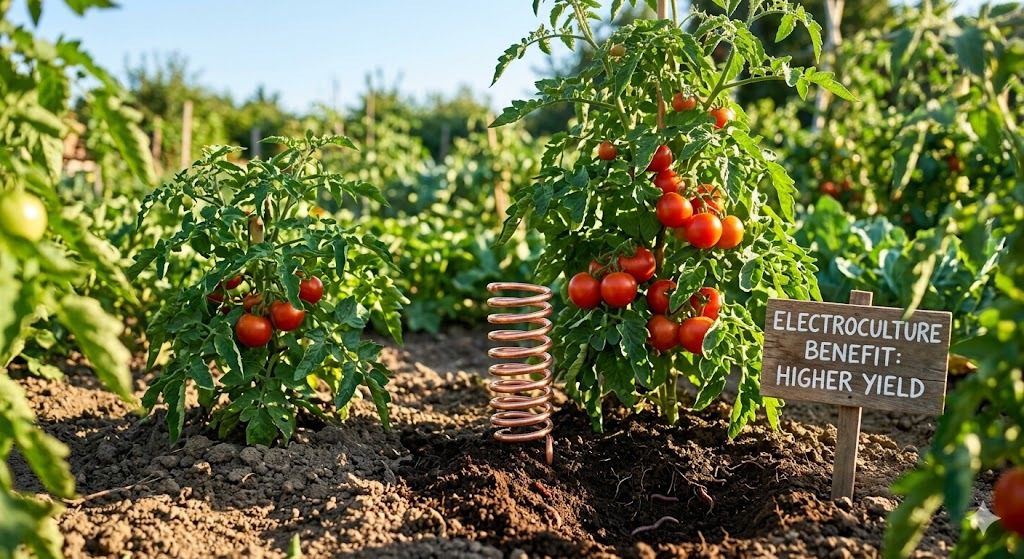
There are several reasons why electroculture has become a go-to method for many gardeners, and after trying it for myself, I can attest to its benefits:
- No Chemicals Needed: One of the biggest advantages of electroculture is that it’s completely chemical-free. In a world where chemical fertilizers and pesticides are commonly used, electroculture offers an organic alternative that doesn’t harm the environment or your health.
- Increases Soil Vitality: The copper wire’s interaction with the Earth’s electrical field helps improve soil structure and health. Over time, I’ve noticed that my soil feels looser, more fertile, and capable of retaining moisture better. This makes it easier for plants to root and thrive.
- Boosts Plant Growth and Yields: By promoting a healthier, more energetic environment for your plants, electroculture naturally boosts their growth. It encourages stronger root systems, faster plant development, and larger yields. When I compared the plants near the copper wires to those further away, the difference in size and vitality was noticeable.
- Saves Time and Effort: One of the most attractive aspects of electroculture is how easy it is to set up. There’s no need for complex irrigation systems, digging, or the use of heavy machinery. It’s a passive method that requires minimal ongoing effort. Just insert a copper wire into the soil and let nature take its course.
Step-by-Step Guide to Implement Electroculture in Your Garden
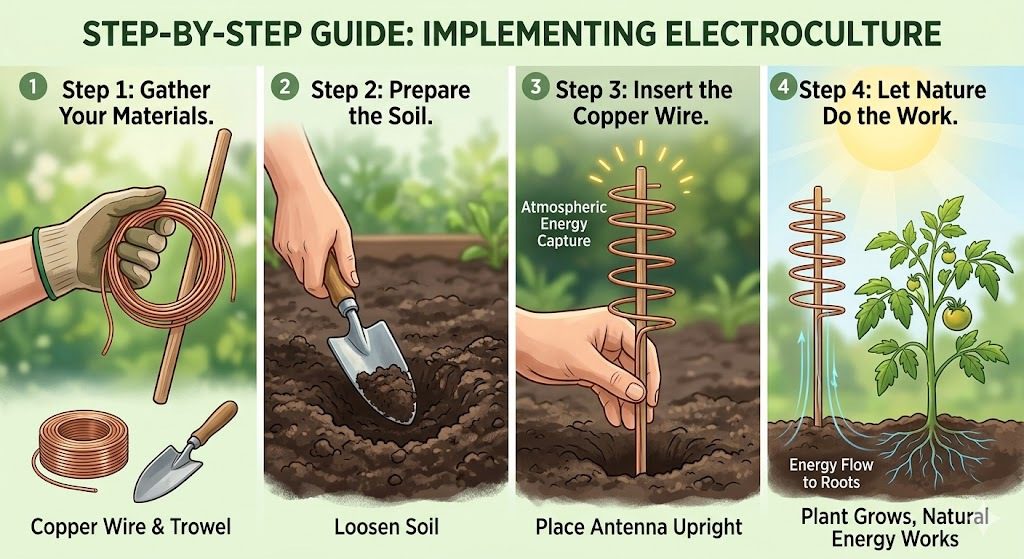
Implementing electroculture in your garden is incredibly simple and doesn’t require a lot of equipment. Here’s a step-by-step guide based on my own experience to help you get started:
Step 1: Gather Your Materials
You’ll need a copper wire (or coil), a garden space, and a simple tool to help you push the wire into the soil. Copper is the preferred material because it conducts energy effectively, but you can also use copper-coated wire.
You won’t need any fancy tools—just a basic setup that allows you to position the wire vertically in the ground.
Step 2: Prepare the Soil
Before inserting the copper wire, ensure that the soil is loose and ready for planting. If you’re starting in an existing garden, you can simply dig a small hole or trench to place the wire in.
Step 3: Insert the Copper Wire
Place the copper wire upright into the soil. This can be done anywhere in your garden, as long as the wire is fully inserted and stands tall. It’s important to make sure the wire is standing upright like an antenna, so it can properly interact with atmospheric energy.
Step 4: Let Nature Do the Work
Once the copper wire is in place, you can start planting your seeds or young plants. The copper wire will work with the Earth’s electrical field to enhance the soil and promote healthier plant growth.
You can now sit back and watch your garden flourish with minimal effort.
What to Expect from Electroculture?

If you’re wondering what kind of results you can expect, here’s what I noticed after implementing electroculture in my garden:
- Healthier Soil: The soil quality in my garden has improved. It’s more nutrient-dense and retains moisture better, reducing the need for frequent watering.
- Larger Yields: The plants near the copper wire grew significantly larger than those in other parts of the garden. Tomatoes, peppers, and leafy greens all seemed to thrive more in these areas.
- Reduced Pest Problems: Interestingly, I found that the plants near the copper wire were less susceptible to pests. While I can’t claim that electroculture directly repels pests, the healthier plants seem to naturally resist attacks better.
- Faster Growth: Plants near the copper wire grew more quickly, with some reaching maturity weeks earlier than expected.
Electroculture and Sustainability
One of the most compelling aspects of electroculture is its environmental sustainability. Traditional farming methods often rely on chemicals, synthetic fertilizers, and intensive water use.
Electroculture, however, requires no chemicals, minimal water, and relies entirely on natural forces. This makes it a great choice for those looking to reduce their ecological footprint while growing food.
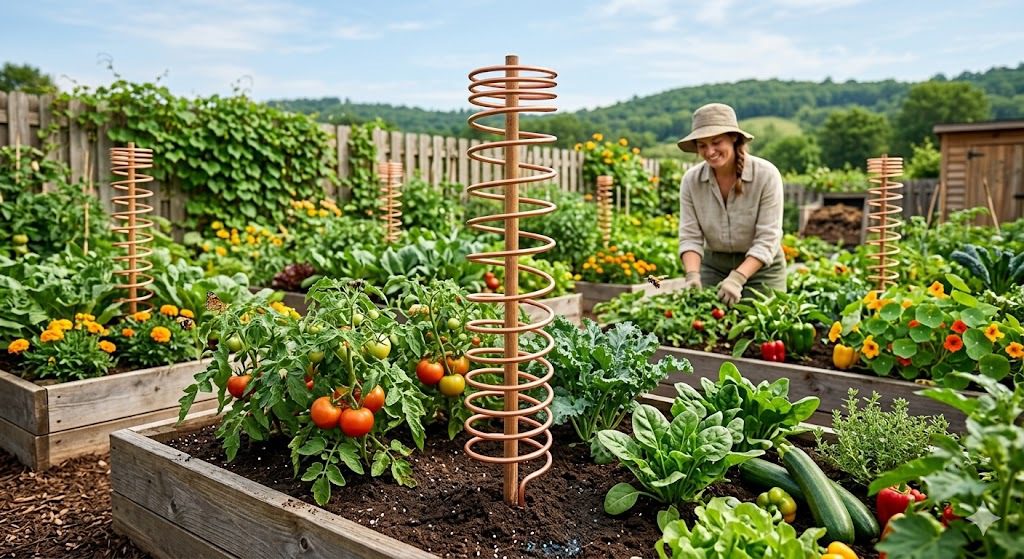
Electroculture is a perfect example of how we can work with nature to produce healthy, abundant food without harming the planet. It encourages a more organic and holistic approach to gardening that not only benefits plants but also contributes to overall environmental health.
A Natural Solution for Modern Gardens
After experiencing the results of electroculture firsthand, I’m convinced that this method is a game-changer for home gardeners. It’s simple, sustainable, and incredibly effective.
If you’re looking for a way to improve your garden without relying on chemicals or complicated setups, electroculture is definitely worth trying.
By tapping into the Earth’s natural energy, you can boost your garden’s health, increase your plant yields, and do so with minimal effort. It’s a beautiful example of how we can work with nature rather than against it.
I highly encourage you to give it a try and see the difference it can make in your own garden.


