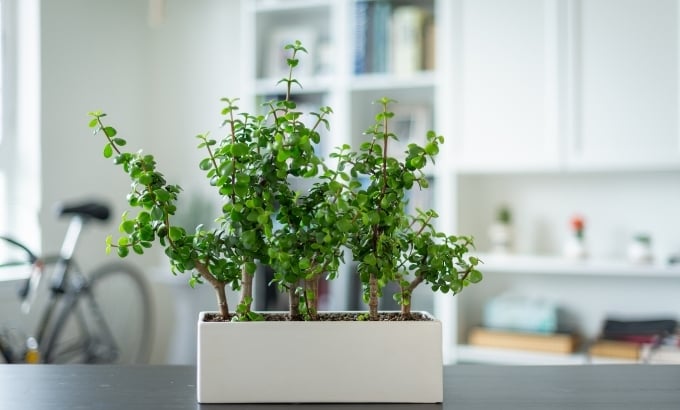
Walk into a thriving garden and it may look random, but below the surface, it is highly coordinated. Roots interact, microbes exchange nutrients, and plants release chemical signals that influence one another’s growth.
This concept, known as companion planting, has been practiced for centuries, yet modern science is only beginning to fully understand how these underground relationships work.
Companion planting matters today more than ever.
With rising concerns about soil degradation, chemical overuse, and climate stress, gardeners and farmers are looking for natural ways to increase productivity while maintaining ecological balance.
Pairing the right plants can improve yields, reduce pests, and even enhance soil fertility without relying heavily on synthetic inputs.
The Science Behind Plant Partnerships
Plants are not isolated organisms. Their roots form complex systems that interact with soil microbes, fungi, and neighboring plants. One of the most important components of this system is the mycorrhizal network, often called the “wood wide web,” where fungi connect plant roots and facilitate nutrient exchange.
Through this network, plants can share nitrogen, phosphorus, and even chemical signals related to stress or pest attacks.
Additionally, plants release compounds through their roots known as root exudates. These chemicals can attract beneficial microbes, repel pests, or influence the growth of nearby plants.
Some combinations create synergy, while others compete. Companion planting focuses on maximizing beneficial interactions.
1. Corn and Squash
This pairing is part of the traditional Three Sisters method used by Indigenous farmers. Corn grows vertically, while squash spreads across the ground. The large squash leaves act like a living mulch, shading the soil and reducing evaporation.
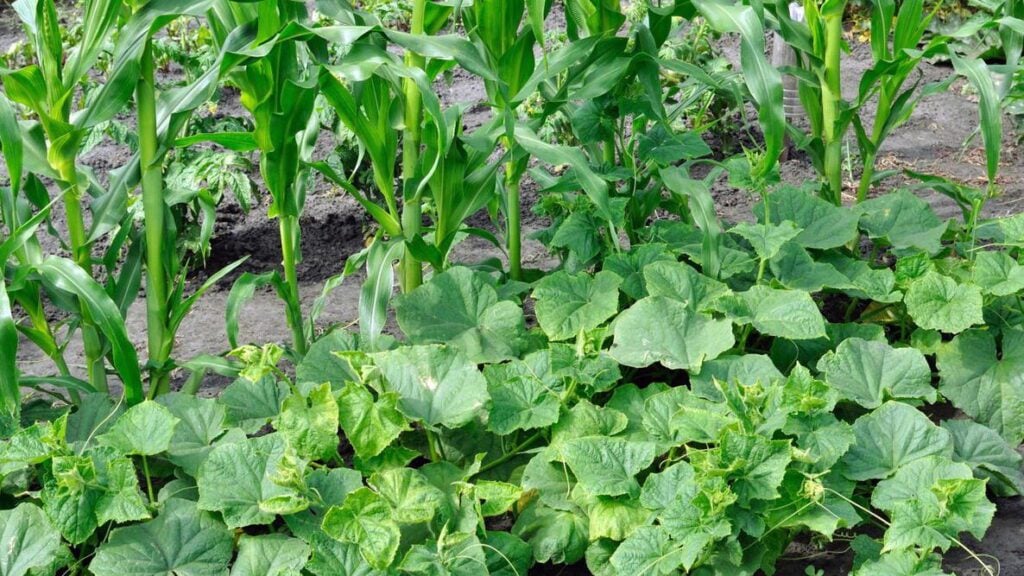
Research shows that shaded soil can be significantly cooler, which helps retain moisture and protect root systems during heat stress. The result is more stable growth conditions and improved crop resilience.
2. Beets and Lettuce
Lettuce grows quickly and stays close to the soil surface, acting as a living mulch that reduces weeds and conserves moisture. Meanwhile, beets develop deeper roots that access nutrients unavailable to shallow rooted plants.
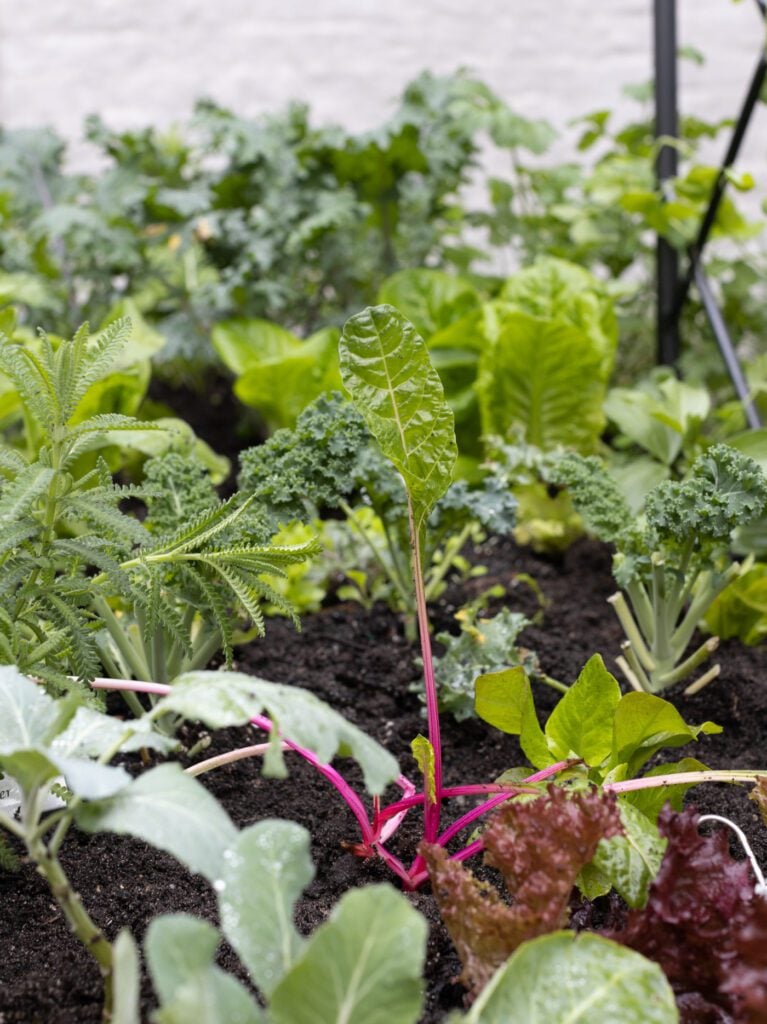
This pairing demonstrates vertical efficiency, where plants occupy different soil layers, reducing competition and improving overall productivity per square meter.
3. Asparagus and Parsley
Parsley produces aromatic compounds that can deter pests such as asparagus beetles. At the same time, asparagus provides partial shade during early growth stages, helping parsley seedlings establish more easily.
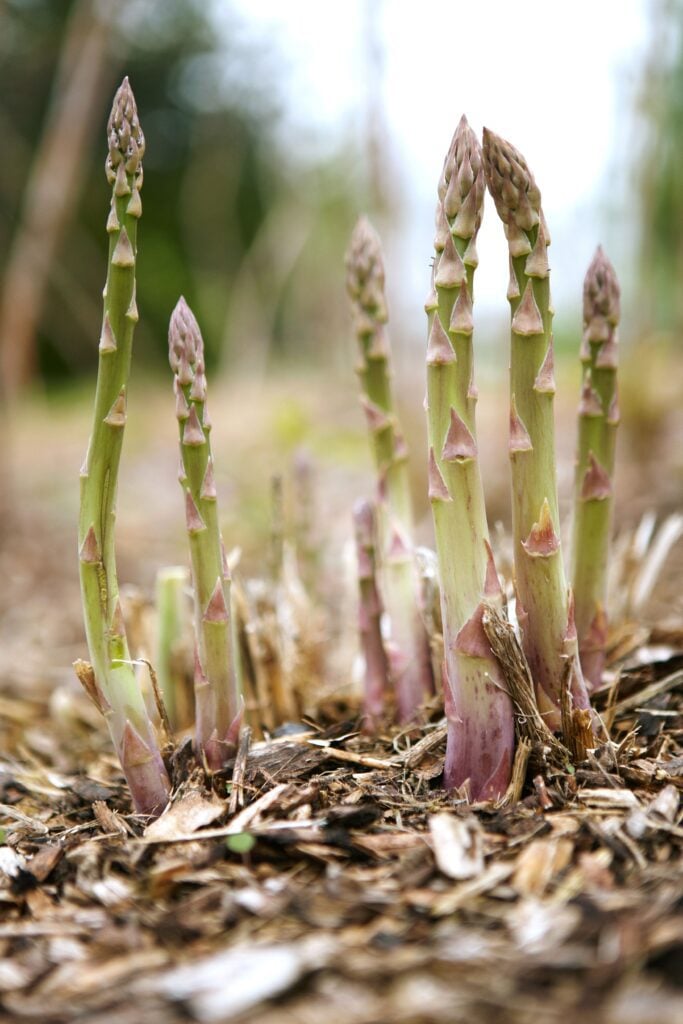
This combination reflects a defensive partnership where one plant supports the other through natural pest management and microclimate regulation.
4. Grapes and Hyssop
Hyssop attracts bees and other pollinators during grape flowering periods. This improves pollination efficiency and can increase fruit set and yield.
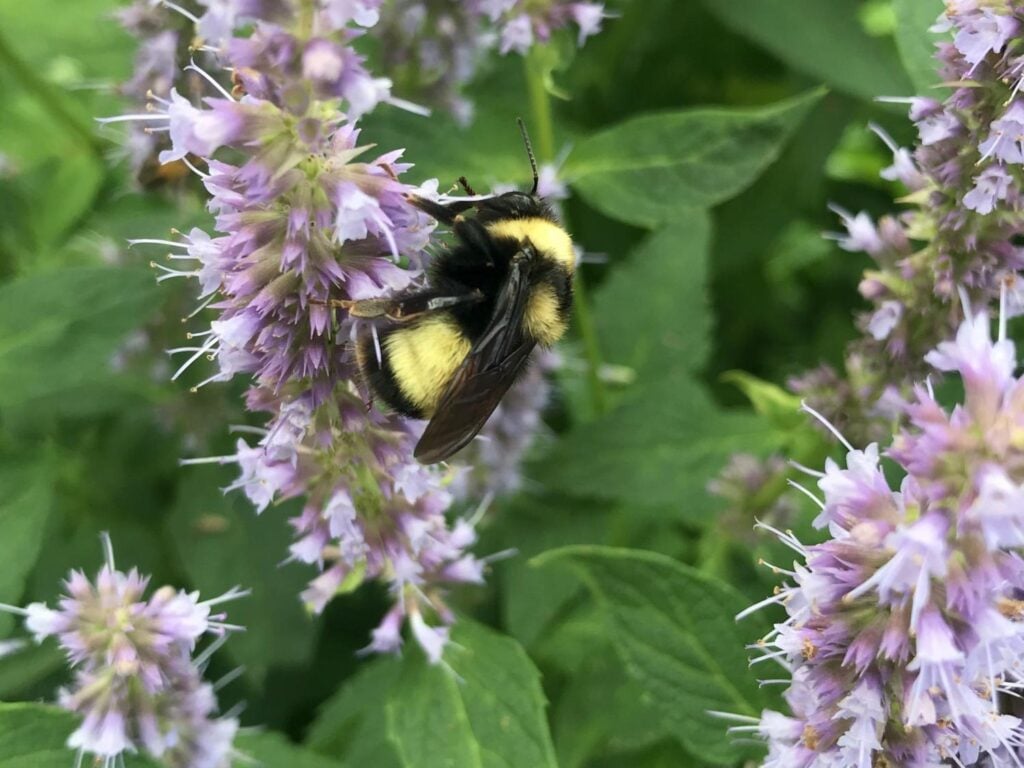
In modern agriculture, pollinator decline is a major concern. Integrating flowering herbs into crop systems is now widely promoted as a strategy to support biodiversity and stabilize production.
5. Fruit Trees and Comfrey
Comfrey is known as a dynamic accumulator. Its deep roots draw nutrients such as potassium from deeper soil layers and store them in its leaves.
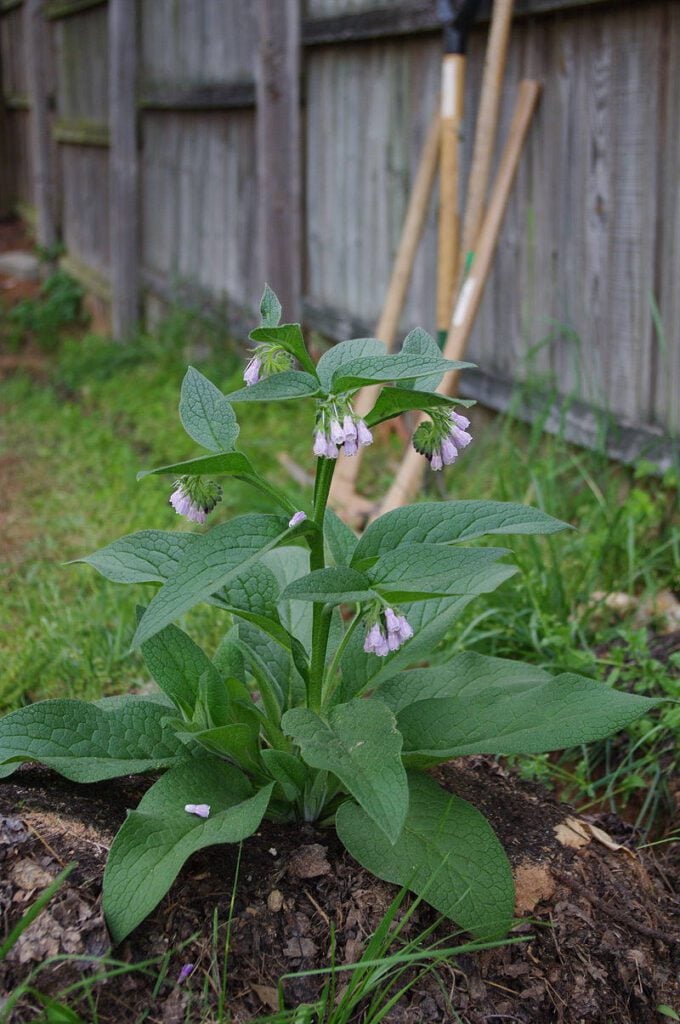
When the leaves are cut and used as mulch, those nutrients become available to nearby plants.
This method reduces the need for external fertilizers and aligns with regenerative gardening practices focused on closed loop nutrient cycles.
6. Blueberries and Azaleas
Both blueberries and azaleas thrive in acidic soil conditions. They also rely heavily on mycorrhizal fungi, which help them absorb nutrients more efficiently.
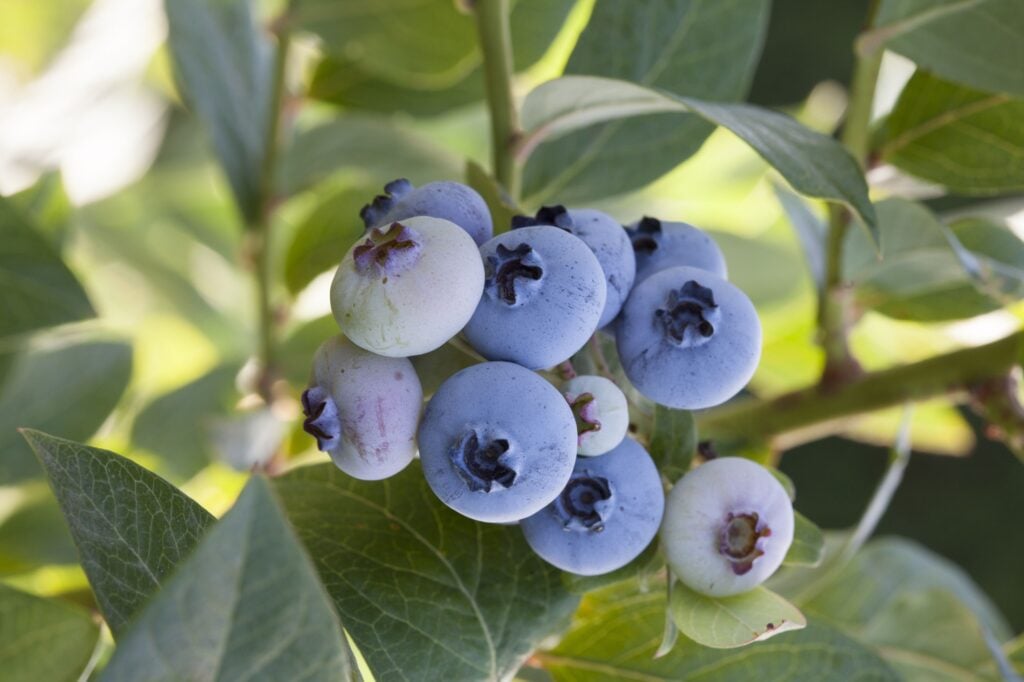
Planting them together ensures consistent soil conditions and supports shared fungal networks, improving plant health and productivity.
7. Peas and Turnips
Peas are legumes that fix nitrogen through root nodules containing beneficial bacteria. This nitrogen becomes available in the surrounding soil, benefiting nearby plants such as turnips.
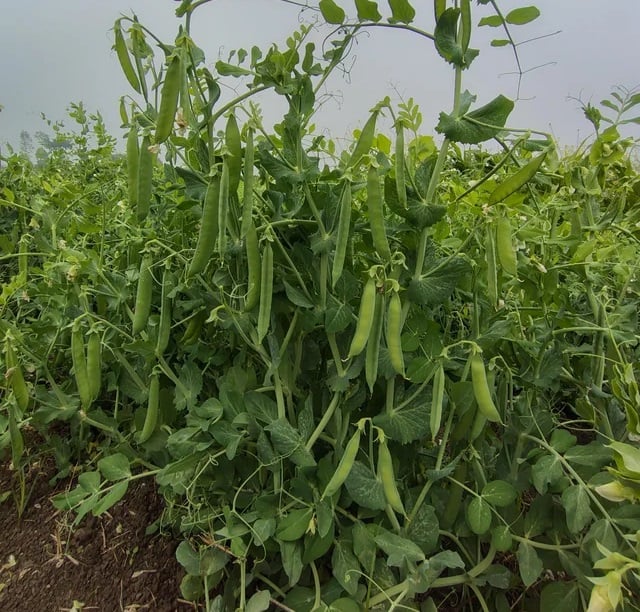
This natural fertilization process is widely used in sustainable agriculture to reduce dependence on synthetic nitrogen fertilizers.
8. Sweet Potatoes and Oregano
Oregano produces essential oils with antimicrobial properties. These compounds can help suppress soil borne pathogens that affect sweet potatoes.
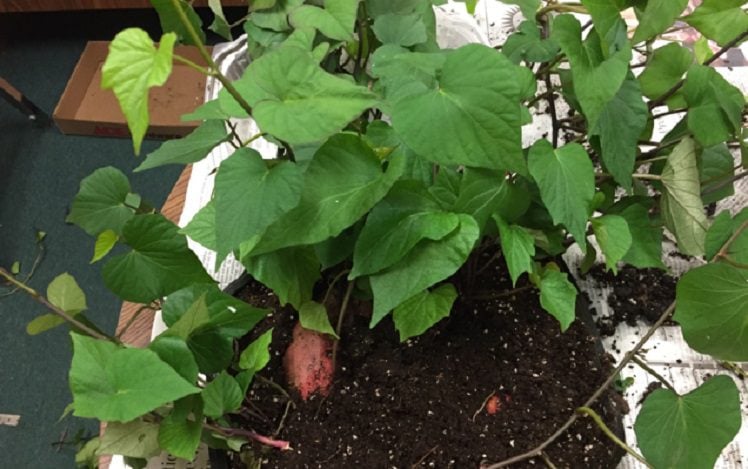
This approach reflects a growing interest in using plant based solutions for disease management instead of chemical treatments.
9. Rhubarb and Strawberries
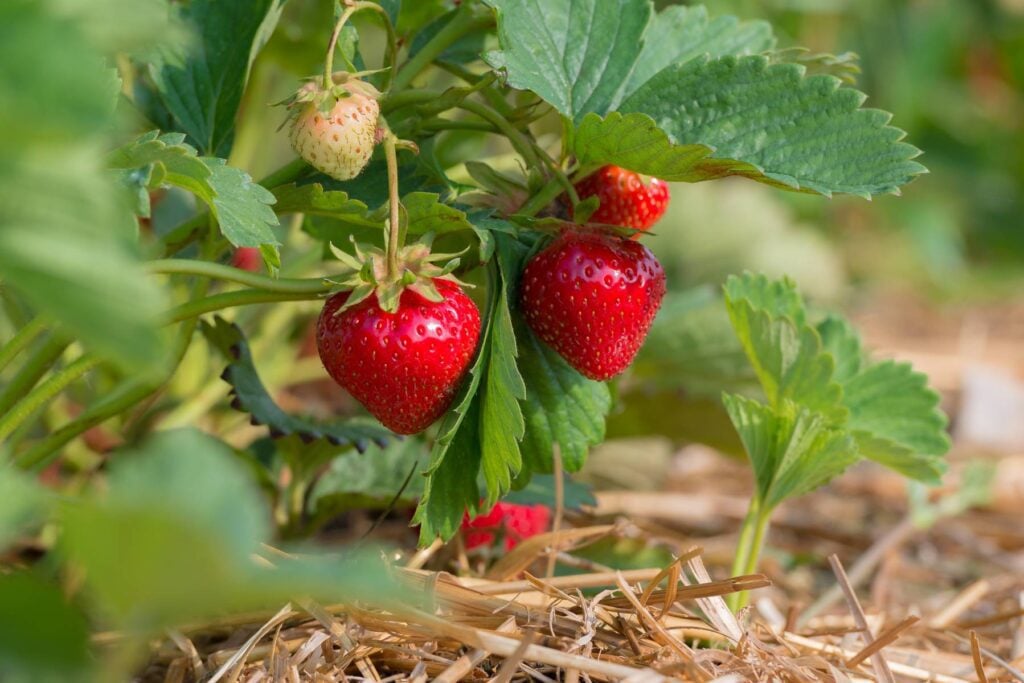
Rhubarb produces large leaves that provide shade during hot periods, protecting strawberry roots from drying out. Both plants also prefer similar moisture conditions, making irrigation management easier.
This pairing demonstrates how structural differences between plants can create balanced microenvironments.
Benefits and Limitations
Supporters of companion planting highlight its ability to improve biodiversity, reduce chemical use, and create more resilient ecosystems. It aligns with regenerative agriculture and permaculture principles, which are gaining traction globally as climate pressures increase.
However, critics argue that not all companion planting claims are strongly supported by controlled scientific studies.
While some interactions like nitrogen fixation are well documented, others rely on anecdotal evidence or vary significantly depending on climate, soil type, and management practices.
In real world settings, results can differ. What works in one region may not perform the same in another. This means gardeners should treat companion planting as a flexible strategy rather than a guaranteed formula.
Real World Impact
For home gardeners, these plant partnerships can lead to healthier plants, reduced maintenance, and better harvests. For communities, especially in urban areas, companion planting supports biodiversity and creates more sustainable green spaces.
At a larger scale, integrating plant diversity into farming systems can improve soil health, reduce input costs, and contribute to long term environmental resilience.
This is especially important as agriculture faces challenges from climate change, soil depletion, and resource scarcity.
Final Thought
Companion planting reveals that a garden is not just a collection of individual plants but a connected system.
By pairing species that support each other through shading, nutrient exchange, pest control, and shared soil conditions, gardeners can create more productive and sustainable environments.
While not every pairing works perfectly in every situation, the principles behind companion planting are grounded in ecological interactions that science continues to explore.
Looking ahead, the future of gardening and agriculture may increasingly rely on these natural relationships, blending traditional knowledge with modern research to build systems that are both productive and resilient.