
I never planned to become obsessed with dragonflies. They just appeared one summer, hovering like tiny helicopters above my pond, and from that day, I decided to learn how to make them stay. What I discovered through trial, observation, and a fair bit of muddy experimentation completely changed how I garden.
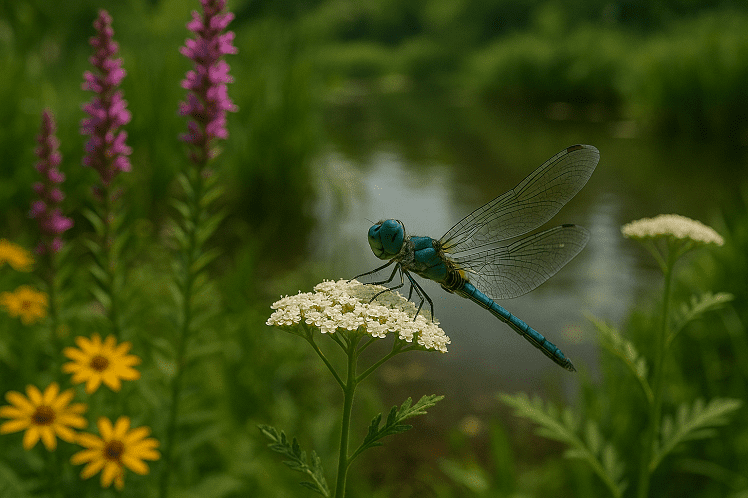
Most guides only scratch the surface—“add water” or “avoid pesticides.” But attracting dragonflies requires a deeper understanding of their habits, timing, and environment.
I’ll share what worked for me and what didn’t. These are the strategies that not only brought dragonflies to my yard but kept them returning season after season.
Step 1: Create a Real Habitat, Not Just a Water Feature
Every article says dragonflies need water. That’s true, but not every water source will do. In my early attempt, I installed a decorative fountain with clear, moving water. It looked pretty—but dragonflies ignored it completely.
What I didn’t know was that dragonfly larvae need shallow, still water to develop, not the constant turbulence of a pump.
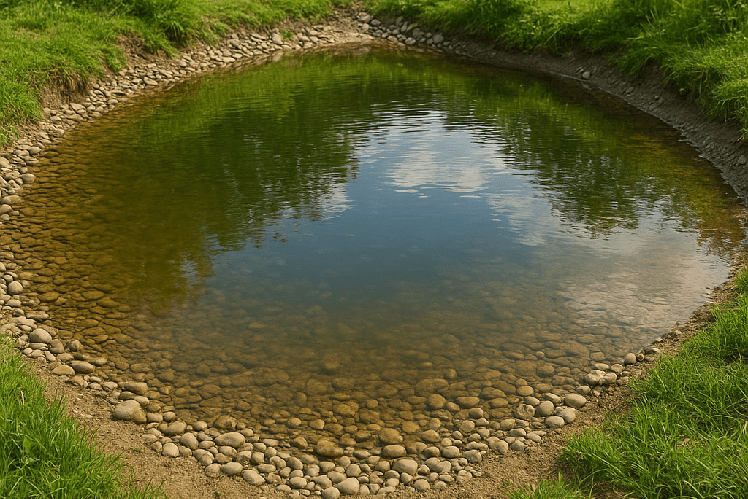
The first real improvement came when I added a shallow pond, about 30 cm deep at the edges and 60 cm at the center, with gently sloped sides. I made sure to include:
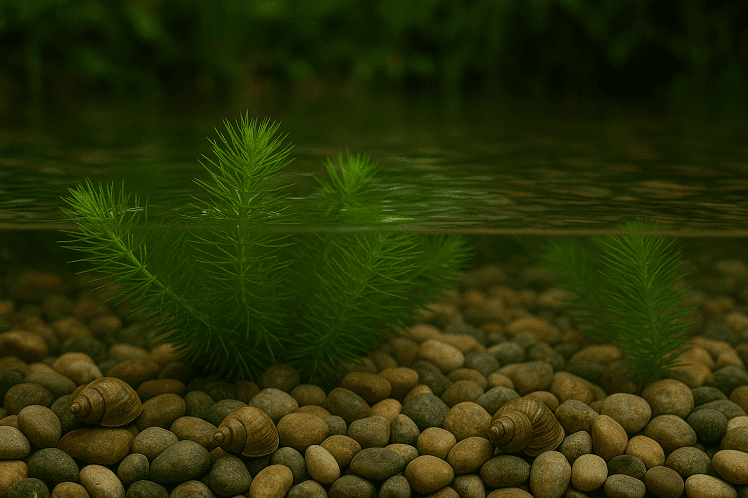
- Native aquatic plants like hornwort and watermilfoil for egg laying.
- Floating leaves from lilies to shade the water.
- Gravel and flat stones for larvae to cling to and adults to perch on.
Here’s the secret most gardeners miss: dragonflies don’t like chlorinated or freshly filled ponds. The water must “age” naturally for at least two to three weeks before they’ll approach.
This gives microorganisms time to form, which larvae later feed on.
Step 2: Let the Shoreline Stay a Bit Wild
I used to trim everything neatly around the pond. It looked tidy but sterile. Dragonflies need variety—they rest on tall grasses, reeds, and thin branches near the water.
When I stopped cutting the edges and let sedges and cattails grow, dragonflies began landing there immediately.
One trick that worked surprisingly well was adding thin bamboo stakes around the pond, about 60 cm high. These served as artificial perches, letting males establish their territories.
Dragonflies are territorial by nature, and they’ll often patrol a small zone where they can rest and watch for rivals.
Leaving a few flat stones in sunny spots also helped. Dragonflies are cold-blooded; they rely on sunlight to warm up before flight. Early in the morning, I would see them sitting on those rocks, spreading their wings to absorb heat.
Step 3: Introduce the Right Plants

Many people focus on flowers that attract pollinators, but dragonflies are hunters, not nectar feeders. They’re drawn to plants that support the insects they eat, such as mosquitoes, gnats, and flies.
Through trial, I learned which plants made a difference:
- Blue flag iris and pickerelweed – provide shelter for emerging larvae.
- Papyrus and rushes – excellent vertical landing pads.
- Yarrow and coneflower – attract small flying insects for dragonflies to hunt.
- Wild mint – grows near water and attracts gnats, one of their favorite meals.
A balanced mix of these gave dragonflies both a hunting ground and shelter. You don’t need many; a few well-placed clusters do the job.
Step 4: Keep the Airspace Open
This was a detail I hadn’t considered before. Dragonflies are aerial hunters, and they need clear flight paths. Overhanging tree branches or dense shrubs can deter them.
Once I pruned a few low branches near the pond, activity doubled within a week.
It turns out that dragonflies prefer open, sunlit water surfaces because they rely on light to spot prey. Shady ponds may look cooler, but they’ll limit how many dragonflies you see.
If your garden is small, choose one sunny corner and dedicate it to open air and reflective surfaces. I also installed a small flat mirror stone that bounced light across the pond—it seemed to catch their attention instantly.
Step 5: Add Microhabitats
What really transformed my pond into a dragonfly nursery was adding microhabitats that mimic nature. I placed a few pieces of driftwood half-submerged in the water. This provided emerging dragonflies a solid surface to crawl onto when they leave their larval stage.
I also noticed something fascinating: dragonflies prefer ponds with a variety of depths. So I reshaped one side into shallow steps instead of a uniform slope. This created zones—some with dense vegetation, others open and sandy.
Different dragonfly species used different zones for breeding.
If you don’t have space for a pond, even a half-barrel water garden can work. I helped a friend set one up with submerged hornwort, a few water snails to keep algae under control, and a layer of small stones.
Within a month, dragonflies were hovering above it.
Step 6: Don’t Overclean
Many gardeners over-maintain their ponds, scooping out debris and fallen leaves too often. But those materials form the base of a healthy pond ecosystem. I learned to let some detritus accumulate, because larvae hide and feed in it.
Once, I completely cleaned my pond after a heavy rainstorm, and the dragonflies vanished for two months.
When the natural debris returned, so did they. The takeaway: maintenance should be gentle, not obsessive. Skim surface algae if necessary, but avoid draining or scrubbing the pond too often.
Step 7: Encourage the Right Food Chain
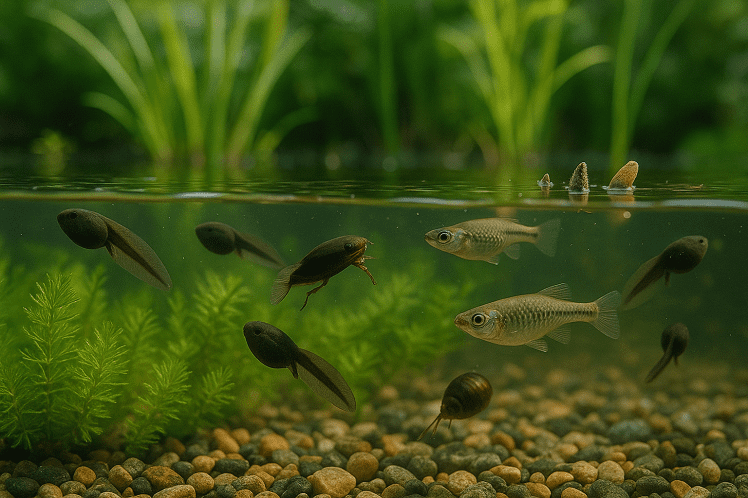
Dragonflies eat mosquitoes, but mosquitoes also help start the food chain. Instead of eradicating every insect, I focused on creating a balanced system. Tadpoles, beetles, and small fish like gambusia (mosquito fish) keep mosquito larvae under control without eliminating them entirely. This gives dragonflies enough prey to stay interested.
I also learned that night lighting affects their activity.
Too much artificial light confuses nocturnal insects, reducing food for dragonflies the next morning. Turning off garden lights at night restored the balance.
Step 8: Chemical-Free Is Non-Negotiable
It might sound obvious, but even “eco-safe” pesticides can ruin a dragonfly habitat. The larvae are extremely sensitive to contaminants. I once used a mild organic spray for aphids, and within days, the number of dragonflies dropped noticeably.
Since then, I’ve switched to mechanical pest control—handpicking, water sprays, and beneficial insects like ladybugs.
Dragonflies thrive where the environment is left as natural as possible. If your pond supports frogs or snails, that’s already a sign you’re doing things right.
Step 9: Time and Patience

Dragonflies won’t appear overnight. It took my pond nearly a full year to mature before they began laying eggs. I noticed the first larvae clinging to stems after nine months. The next summer, the garden was buzzing with activity.
Once established, they tend to return to the same breeding site each year.
If you start from scratch, you can speed up the process by borrowing pond muck or water from a natural pond nearby. This introduces microscopic life that dragonfly larvae feed on.
Few people know this trick, but it’s one of the fastest ways to “seed” your new pond.
Step 10: Observe and Adjust
The best part of attracting dragonflies is how much you’ll learn by simply watching. I keep a small logbook of which species visit and at what times of day. Early mornings are best for spotting them warming their wings; late afternoons for hunting.
Over time, you’ll start noticing patterns—where they rest, where they lay eggs, what plants they prefer.
Those observations help you make small but effective changes.
I once shifted a flat rock six inches closer to the water after noticing how one dragonfly kept hovering without landing there. The next day, it perched exactly on that rock.
Final Word
Today, my pond is never quiet. Dozens of dragonflies patrol the air, keeping mosquitoes at bay and adding a lively rhythm to the garden. What started as a simple wish for pest control turned into a small ecosystem that supports life in every direction.
If there’s one lesson I’ve learned, it’s that dragonflies choose gardeners who learn to observe, not control.
Give them the right environment, some patience, and a few clever adjustments—and they’ll reward you with years of natural beauty and balance.


