I’ve always loved having plants around, but when I learned some could actually clean the air inside my home, I decided to take it more seriously. Living in a city means dust and indoor pollutants are part of daily life.
I wanted a natural way to make the air fresher, so I started growing air-purifying plants indoors. What surprised me most was how easy they are to care for, even during winter, and how much difference they make to my home’s air quality.
Why I Started Growing Air Purifying Plants?

I spend most of my day indoors, so having cleaner air became important to me. At first, I thought air purifiers were the only solution, but after reading about how plants can absorb toxins like formaldehyde and benzene, I wanted to test it myself.
I started small with a snake plant on my desk. Within a few weeks, I noticed my room smelled fresher, and the air didn’t feel as stuffy in the mornings.
That one plant turned into a small indoor collection that now sits in my living room, kitchen, and bedroom.
The Best Air Purifying Plants I Grow Indoors
Through trial and error, I found a few plants that truly thrive indoors while keeping the air clean.
1. Snake Plant (Sansevieria)

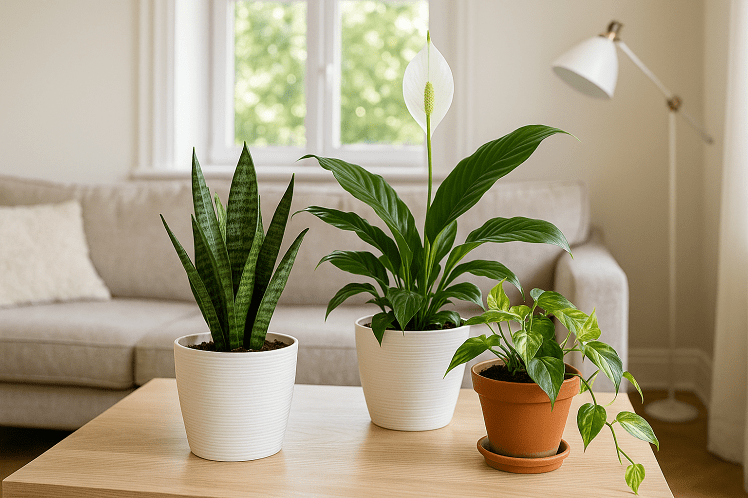
This is the easiest plant I’ve ever grown. It tolerates low light and needs watering only once every two weeks. The best part is that it releases oxygen at night, which makes it perfect for bedrooms.
My tip: Let the soil dry completely before watering. Overwatering is the only way to kill it.
2. Peace Lily (Spathiphyllum)

Peace lilies are beautiful and hardworking. They filter formaldehyde and trichloroethylene from the air. They also bloom even in low light.
My tip: Wipe the leaves with a damp cloth every few weeks. Clean leaves help them absorb more pollutants efficiently.
3. Spider Plant (Chlorophytum Comosum)

Spider plants grow fast and are excellent at removing carbon monoxide and xylene. They produce small offshoots, which I replant to make new ones easily.
My tip: Place them near windows but out of direct sunlight. Bright, indirect light helps them stay healthy.
4. Pothos (Epipremnum Aureum)

Pothos has become my go-to indoor plant because it can grow anywhere. I keep one in my bathroom and one in my kitchen. It’s great at filtering formaldehyde from furniture and cleaning products.
My tip: If you want bushier growth, pinch the growing tips regularly.
5. Boston Fern (Nephrolepis Exaltata)

This plant is one of the best natural humidifiers. It helps keep the air fresh and moist during dry winter months.
My tip: Mist it lightly every few days to keep the fronds green and prevent browning.
6. Rubber Plant (Ficus Elastica)

Rubber plants not only look great but also remove airborne toxins. They’re good for living rooms or corners with bright indirect light.
My tip: Rotate the pot every few weeks so the plant grows evenly and doesn’t lean toward the light.
How I Arrange and Care for My Indoor Plants?
I didn’t want my plants to clutter the space, so I created small zones. In the living room, I grouped three medium-sized plants together — the rubber plant, a fern, and a pothos. In my bedroom, I keep a snake plant and peace lily.

I learned that grouping plants actually improves humidity around them, helping each one thrive better.
I also follow a simple maintenance routine:
- Watering. I check soil moisture with my finger before watering. If the top 2 cm feels dry, it’s time to water.
- Light management. I move plants closer to windows in winter when light is weaker.
- Feeding. I feed them with diluted liquid fertilizer once a month, but I skip feeding in cold months when growth slows down.
- Dusting. Dust blocks leaf pores, so I clean them gently every few weeks with a soft cloth.
Small Tricks That Help My Plants Stay Healthier
These are the small but effective habits I’ve discovered through experience:
- Use rainwater or filtered water. Tap water sometimes contains chemicals that can leave marks on leaves.
- Rotate plants regularly. It ensures balanced growth and prevents one-sided leaning.
- Avoid sudden temperature changes. Keep plants away from heating vents or air conditioners.
- Use pebbles on top of soil. It helps prevent fungus gnats and keeps moisture balanced.
- Check roots once every six months. If they’re circling the pot, it’s time to repot into a slightly larger one.
One thing many gardeners don’t talk about is how humidity affects plant performance. In dry winter air, I group plants together on trays filled with pebbles and water.
As the water evaporates, it naturally raises humidity around the leaves without overwatering the soil.
What I’ve Learned About Indoor Air Quality?
After a few months of growing air-purifying plants, I could feel the change. The air felt lighter, especially in the mornings. Dust settled less quickly, and my indoor space smelled fresher even without scented sprays.
I learned that while plants don’t replace air purifiers completely, they help maintain balance.
Having several small plants in each room works better than keeping one large plant in one spot. It spreads their air-cleaning benefits evenly.
For example, I keep spider plants near electronics, since they absorb small amounts of airborne pollutants that come from plastics and cords. In the kitchen, I keep pothos and peace lilies because they handle occasional heat and moisture well.
Common Mistakes I Avoid Now
I’ve made my share of mistakes, and these are the lessons that made the biggest difference:
- Don’t overwater in winter. The plants drink less when sunlight is low.
- Don’t keep plants too close to cold windows. The roots can get damaged from the chill.
- Don’t ignore dying leaves. Trimming them early prevents pests and diseases.
- Don’t repot too often. Most indoor plants prefer being slightly root-bound.
I also avoid using strong chemical fertilizers indoors. Organic or mild liquid fertilizers are safer, especially in small spaces.
Why I Keep Growing Air Purifying Plants?
What started as a small experiment became part of my daily routine. These plants do more than just look nice—they genuinely improve air freshness.
The maintenance is minimal, and the results are noticeable.
Every few weeks, I add one or two new plants to different rooms. The house feels calmer, and the air stays cleaner, especially during winter when windows stay closed most of the time.
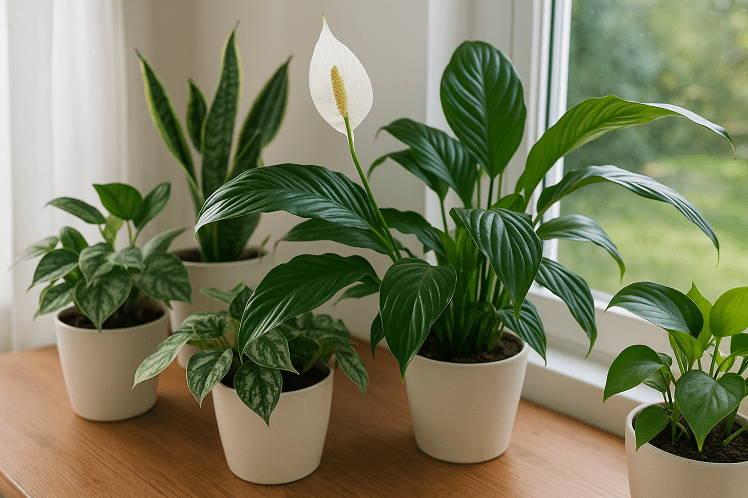
If you want to start, begin with one or two easy plants like snake plant and pothos. Once you see how low-maintenance they are, you’ll naturally want to grow more.
The key is consistency: regular light, balanced watering, and clean leaves make a big difference.
Now, no matter the season, my indoor space always feels fresh and full of life. Growing air-purifying plants indoors has become one of the simplest and most satisfying ways I keep my home healthy.