
Dragonflies are powerful allies against mosquitoes. An adult dragonfly can eat hundreds of mosquitoes per day, making them a remarkable natural way to reduce mosquito populations in your yard.
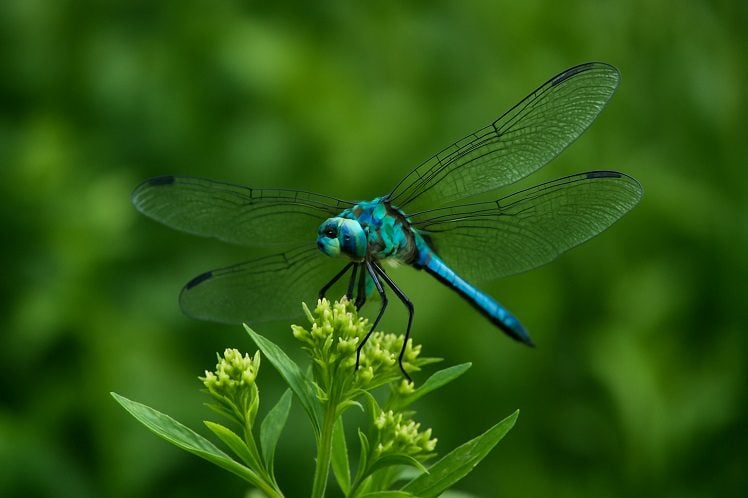
These insects are skilled hunters. They catch prey while flying, using excellent vision and agile flight. Dragonflies are able to catch up to 95% of the insects they pursue.
They consume a significant portion of their body weight daily in prey, including mosquitoes and gnats. That makes them among the most efficient insect predators around.
How Dragonflies Live and Hunt?
Dragonflies begin life as aquatic nymphs, spending months or years underwater. After their final molt, they emerge as winged adults and typically live for about a month.

These adults spend much of their time near water, because that is where females lay eggs and new generations develop.
During both their nymph and adult stages, dragonflies feed on mosquitoes. Nymphs consume mosquito larvae in water, and adults catch flying mosquitoes in the air.
What You Gain by Attracting Dragonflies to Your Yard?
Inviting dragonflies into your yard isn’t just about adding a touch of magic to your outdoor space—it’s about bringing in natural pest control, a sign of a healthy ecosystem, and a burst of life and color.

Dragonflies help keep mosquitoes and other annoying bugs in check, while their presence shows your yard is thriving with clean water and biodiversity. In short, making your garden a dragonfly haven is a win for both beauty and balance!
- Reduce the need for chemical pesticides. By inviting dragonflies into your yard, you rely less on sprays or chemical treatments.
- Promote local biodiversity. Dragonflies play a role in ecosystem balance and help pollinate certain plants.
- Enhance your garden’s appeal. Dragonflies are visually striking. Their colorful bodies and swift, graceful movement can add life and beauty to your outdoor space.
The Three Key Steps to Attract Dragonflies
To bring dragonflies into your yard, focus on three main elements: water, habitat plants, and insect-prey plants.
1. Provide a Water Feature

Dragonflies require standing water to complete their life cycle. Eggs are laid in or near water, and larvae develop underwater for several instars before emerging as adults.
Ideal water features include:
- A small pond at least two feet deep to discourage mosquito breeding but shallow enough for nymph habitat.
- Static water sources like bird baths are less helpful, because dragonfly larvae need deeper water.
- Maintain water quality with occasional cleaning and consider using Bacillus thuringiensis israelensis (Bti) tablets. These kill mosquito larvae but do not harm dragonfly nymphs.
2. Plant Dragonfly-Friendly Vegetation

Surround water features with a variety of native plants and shrubs. These provide:
- Perching and roosting spots for adult dragonflies
- Egg-laying surfaces for female
- Cover for young nymphs and adults
Good choices include marginal, emergent, and flowering plants such as water lilies, cattails, pickerelweed, swamp milkweed, and irises near the water’s edge.
Native wildflowers like black-eyed Susan, Joe-Pye weed, aster, coneflower, and bearded iris also help by attracting other insects that dragonflies feed on.
3. Encourage Prey Insects

Dragonflies hunt mosquitoes and other small flying insects. Planting pollinator-friendly flowers ensures a steady supply of prey. Native plants that attract bees, butterflies, flies, and small moths help dragonflies find food easily.
Diverse plantings support both dragonflies and their food chain. Trees and shrubs around the border further shelter dragonflies and support young insect development.
What to Avoid?
- Do not use pesticides or chemical insecticides. These kill not only harmful pests, but also insects that dragonflies feed on and dragonfly larvae themselves.
- Avoid adding standing water containers, like buckets or flower pot saucers, which can become mosquito breeding grounds.
- Do not use bug zappers. These can kill dragonflies and other beneficial insects indiscriminately and reduce natural pest control around your yard.
Practical Examples of Habitat Design
Here is a step-by-step way you could set up your garden:
- Install a small pond at least two feet deep. Position it near sunlight and sheltered from strong winds.
- Surround the pond with native emergent plants like cattails, pickerelweed, water lilies.
- Add flowering border plants: black‑eyed Susan, Joe‑Pye weed, swamp milkweed, asters, coneflowers.
- Include trees or shrubs around the perimeter to offer roosting spots, shade, and cover.
- Maintain the water: clean it regularly, replace water in birdbaths every few days, and add Bti tablets if needed.
- Avoid chemicals: do not spray pesticides near the pond or plants.
- Keep debris cleaned up: prevent stagnant standing water in gutters or unused containers, which attract mosquitoes.
Benefits Over Time
Once established, this habitat supports dragonflies year after year:
- Nymphs develop underwater and mature into adults near your yard’s water feature.
- Adult dragonflies move around your yard hunting mosquitoes and other pests.
- As more dragonflies return yearly, they maintain lower mosquito levels naturally.
You may also notice more other wildlife, like pollinators and birds, enjoying this balanced ecosystem.
Scientific and Environmental Support
Garden experts and naturalists endorse this method: Better Homes & Gardens recommends adding water features and native plants to attract dragonflies and reduce mosquitoes naturally.

Treehugger and reconnectwithnature.org highlight that one dragonfly may consume over 100 mosquitoes per day, and emphasize that ponds and plant diversity are powerful tools to encourage their presence.
These sources consistently show dragonflies perform better than non‑selective chemical methods, while also supporting biodiversity and reducing pesticide use.
A Summary of Key Points
| STEP | ACTION | BENEFIT |
| Water feature | Provide a pond at least 2 ft deep | Supports nymph development, attracts egg-laying |
| Native aquatic and border plants | Cattails, lilies, milkweed, etc. | Offer perching, prey insects, and habitat |
| Flowering plants | Black‑eyed Susan, Joe‑Pye weed, asters, coneflowers | Attract small flying insects for dragonfly food |
| Avoid pesticides & standing water | Keep bird baths fresh, clean gutters | Prevent mosquito breeding and protect dragonfly larvae |
| Maintain habitat | Refresh water, remove debris, plant diversity | Sustains dragonfly population and health |
Final Thoughts
Dragonflies offer a natural, chemical-free way to control mosquitoes. By following a few simple steps—installing a small water feature, planting native and flowering vegetation, and avoiding pesticides—you create a welcoming habitat for dragonflies and damselflies.
In return, these insects provide effective, ongoing mosquito control and improve your yard’s ecological health. They also contribute to biodiversity and bring aesthetic enjoyment.
Creating this habitat supports a balanced garden ecosystem. Dragonflies patrol your yard day after day, eating mosquitoes and other flying pests.
With time, your yard becomes a thriving environment where people can enjoy being outdoors without constant swatting at bugs.


