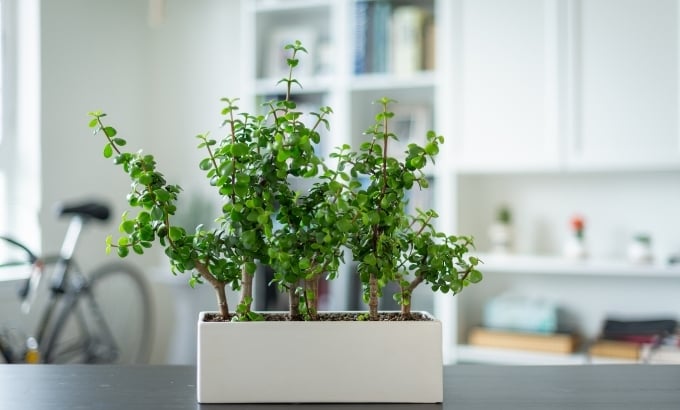
Jasmine isn’t just a beautiful flowering plant. The fragrance from jasmine flowers can have real positive effects on your mental health.
Research shows that keeping a jasmine plant indoors, especially in your bedroom or living space, can help reduce anxiety, ease panic attacks, and lift low mood.
How Jasmine Helps Reduce Anxiety and Stress?
When you breathe in jasmine’s scent, it can trigger the release of neurotransmitters like serotonin. These neurotransmitters support relaxation and improve mood.
A study published in the Journal of Health Research reported that people exposed to jasmine aroma felt calmer and more energetic, with lower anxiety compared to a control group.
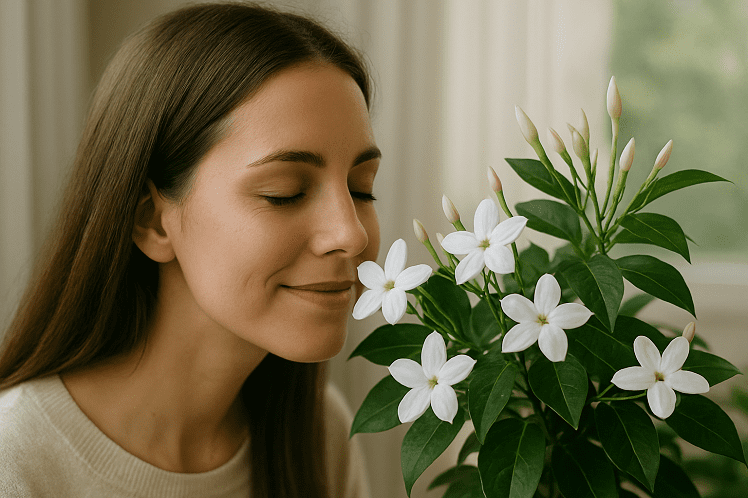
Other scientific sources explain that jasmine scent affects GABA receptors in the brain. GABA is a chemical that helps calm the nervous system. Experiments with jasmine fragrance showed it could be even more effective than some anti‑anxiety medications at promoting calm and better sleep.
That means simply having a jasmine plant nearby, and smelling its flowers, can help your body switch into a more relaxed state.
Better Sleep Naturally
If falling asleep or staying asleep is difficult, jasmine may help. Its calming chemical compounds interact with the brain’s central nervous system to promote relaxation.
This effect has improved sleep quality in studies, helping people sleep more soundly with fewer interruptions.
Having a healthy jasmine plant near your bed can deliver these calming aromas overnight. This provides a natural alternative to over‑the‑counter sleep aids like melatonin or herbal pills.
Lifting Mood and Reducing Depression

Jasmine’s sweet scent can also boost mood. It encourages the release of hormones such as serotonin and dopamine, which are linked to feelings of happiness and contentment.
People who experienced low mood or mild depression reported feeling more positive after exposure to jasmine fragrance. This makes jasmine a simple complementary option to support emotional balance.
Calming Panic Attacks
During a panic attack, your heart rate may spike and breathing can become irregular. Jasmine’s scent can help calm the nervous system by slowing down both heart rate and breathing.
It supports the body’s natural calming response by interacting with the limbic system—the part of the brain involved in emotion and memory.
So when you feel a panic attack coming on, being close to a jasmine plant may help you stay grounded and regain control.
Boosting Mental Focus and Clarity

Besides calming effects, jasmine scent can enhance mental alertness and concentration. If you feel mentally foggy, working in the presence of jasmine’s fresh fragrance may support sharper thinking and improved energy.
Adding jasmine to a workspace, reading area, or study zone may help you stay motivated and productive.
Other Benefits of Jasmine
In addition to effects on anxiety, panic, sleep, and mood, jasmine is also noted to support general well‑being:
- It can help reduce feelings of fatigue and overall tiredness.
- Some sources say its aroma has mild physiological benefits like lowering blood pressure and easing tension.
- It may help balance mood swings and offer slight relief from symptoms like PMS or hot flashes.
- Some people report increased feelings of vitality or energy after inhaling jasmine scent.
It’s important to underline that jasmine is not a replacement for medical treatments. It works best as a supportive tool alongside professional care or medications prescribed by your doctor when needed.
Which Jasmine Varieties Work Well Indoors?

If you plan to keep jasmine inside, some varieties are easier to care for and perform better indoors:
- Common indoor options include Jasminum polyanthum, Jasminum sambac, and Jasminum officinale.
- These types produce fragrant blooms and tolerate growing in pots.
- Choose a variety suited to your climate and care routines.
How to Care for a Jasmine Plant Inside?
To enjoy jasmine’s benefits, you need to keep it healthy indoors.
1. Lighting and Placement
- Jasmine needs bright, indirect sunlight. A spot near a window with filtered light is ideal.
- Keep the plant in a warm, sheltered location—not exposed to cold drafts or harsh direct sun.
2. Water and Soil
- Use well‑draining potting mix to avoid root rot.
- Water jasmine regularly so the soil stays slightly moist but never soggy.
- Reduce watering during winter if the plant goes dormant.
3. Feeding and Pruning
- Feed with a balanced houseplant fertilizer during the growing season (spring and summer).
- Prune after flowering to shape the plant and encourage new growth.
4. Humidity and Airflow
- Jasmine enjoys humidity. In dry homes, misting or placing the pot on a tray of water and pebbles can help.
- Provide gentle airflow around the plant to prevent fungal issues.
Tips to Get the Most Benefits
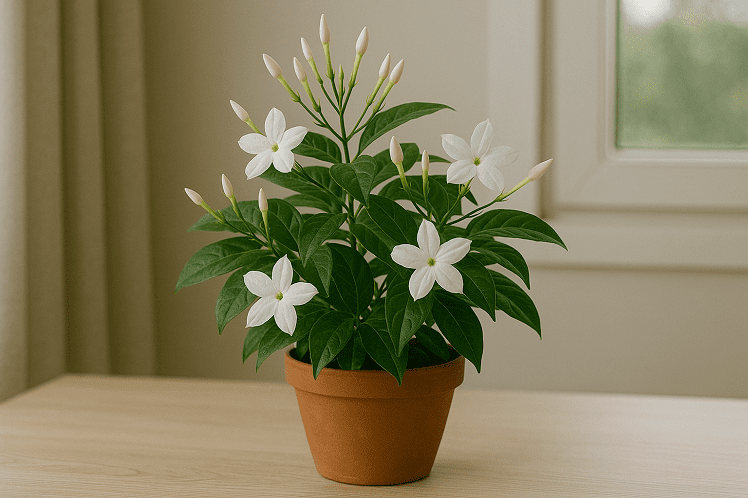
Here are simple ways to maximize jasmine’s mental health benefits:
- Place the plant in your bedroom so you can inhale the scent while you sleep.
- Keep it near your workspace, reading area, or living space where you spend time.
- Make sure the plant blooms; the fragrance comes from its flowers. Support bloom by giving it enough light and proper care.
- If natural fragrance isn’t enough, you might use an essential oil derived from jasmine in a diffuser—but that’s optional and not required if you have a thriving plant.
What the Research Shows?
Scientific studies support jasmine scent’s calming power:
- A Journal of Health Research study found that inhaling jasmine improved mood and lowered anxiety, with participants reporting more positive energy compared to controls.
- Research into GABA receptor activity showed jasmine scent had notable calming effects—even stronger than some medications in experimental settings.
Researchers concluded that jasmine’s aroma can quickly reduce nervous tension, support restful sleep, and provide emotional relief.
Practical Examples
Here’s how some people use jasmine in everyday life:
- Bedroom use: One person placed their jasmine plant on a bedside table. They noticed they fell asleep faster and woke up feeling more refreshed.
- Study zone: Another placed jasmine in their home office. They found they felt more clear‑headed during work sessions.
- Living room scent: In a shared space, the subtle fragrance helped reduce household stress and created a calmer atmosphere.
Safety and Limitations

Jasmine scent is generally safe and non‑toxic. Still, keep in mind:
- Some people may have mild allergic reactions—watch out for nasal irritation or headaches if sensitive.
- A jasmine plant should not replace medical advice. If you’re dealing with significant anxiety, panic attacks, or depression, consult a healthcare professional.
- Jasmine helps as a natural, supportive tool—but professional psychological or psychiatric treatment may still be necessary.
Summary of Key Benefits
| Benefit | How Jasmine Helps |
| Reduces anxiety and stress | Activates brain calming chemicals, like GABA and serotonin |
| Improves sleep quality | Promotes relaxation via scent interaction |
| Eases low mood | Releases feel‑good neurotransmitters |
| Supports during panic attacks | Slows heart rate, calms breathing |
| Enhances mental clarity | Supports focus, alertness, energy |
| Uplifts general vitality | Promotes mood balance and reduced fatigue |
Final Thoughts
Keeping a jasmine plant in your room is a natural way to support mental and emotional health. Its fragrant blooms deliver calming effects, improve mood, help with sleep, and reduce stress and panic.
With simple care—good light, moisture, and occasional feeding—you can cultivate a healthy jasmine plant indoors.
It’s important to remember that jasmine is not a medical cure. But as a complementary support tool, it’s accessible, pleasant, and easy to grow for most people. If you experience notable anxiety, ongoing panic attacks, or depression, you should talk with a healthcare provider about comprehensive treatment options.