Across the world, natural habitats for wildlife are shrinking as cities expand and landscapes become more developed. In response, many gardeners and homeowners are turning their backyards into small sanctuaries for wildlife. One of the most effective ways to support local biodiversity is by creating a small wildlife pond.
Even a tiny pond can attract frogs, dragonflies, birds, bees, and many other beneficial species.
According to conservation organizations such as the Wildlife Trusts and the Royal Horticultural Society, small garden ponds often support more wildlife than larger manicured water features because they mimic natural habitats.
The good news is that creating a pond does not require expensive equipment or professional landscaping. With a simple storage bin, basic materials, and an afternoon of work, anyone can create a thriving ecosystem in their garden.
Why Small Garden Ponds Matter for Wildlife?
Freshwater habitats are among the most threatened ecosystems on Earth. Scientists estimate that wetlands have declined by more than 50 percent globally over the past century due to development and agriculture.
Yet small backyard ponds can play a surprisingly important role.
Research from European biodiversity studies has found that networks of small ponds provide refuge for amphibians, insects, and birds, especially in urban areas where natural wetlands are rare.
For example:
• Frogs use ponds for breeding
• Dragonflies lay eggs in water
• Birds rely on shallow water for drinking and bathing
• Beneficial insects control garden pests
Because these ponds do not contain fish, they become ideal habitats for amphibians and aquatic insects that might otherwise be eaten.
A well designed pond therefore acts as a miniature ecosystem.
Step 1: Digging the Pond Hole
The first step is selecting the right location. Choose an area that receives partial shade rather than full sun. While sunlight is necessary for aquatic plants, too much direct sunlight encourages algae growth.
Algae can quickly turn a pond green and reduce oxygen levels in the water.

A location that receives about four to six hours of sunlight per day is ideal.
Once the spot is selected, dig a hole slightly larger and deeper than your container. The extra space allows you to adjust the position and level of the pond later.
Keep the soil you remove. This soil will be used to stabilize the container and blend the pond naturally into the landscape.
When digging, remove sharp rocks or roots that might damage the container over time.
Step 2: Preparing a Stable Base
After digging the hole, the next step is creating a stable base. Spread about two inches of sand across the bottom of the hole. Sand acts as a cushion between the ground and the container.
This layer helps prevent punctures caused by rocks or roots and also makes it easier to level the pond.

Use a board or flat tool to smooth the sand and ensure the surface is even. A level base is important because uneven ponds can cause water to overflow on one side or expose the container edge.
Some gardeners also use a spirit level to check alignment. While not essential, this small step can make the final result look much more natural.
Step 3: Installing the Storage Bin
Now place the storage bin or shallow plastic tub into the hole. Rigid plastic containers are recommended because they are more durable than flexible liners and easier to install.
Many gardeners use large plastic storage boxes, livestock tubs, or heavy duty planting trays.
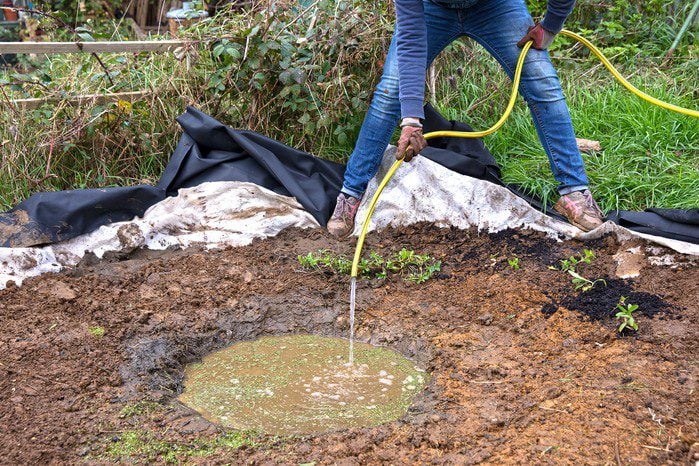
The top rim of the container should sit at ground level. If the rim is too high, wildlife may struggle to access the water. If it is too low, soil and debris may wash into the pond during rain.
Adjust the sand underneath until the container sits perfectly level.
Once positioned correctly, fill the surrounding gaps with the soil you removed earlier. Press the soil firmly to stabilize the container.
Step 4: Adding Rocks and Natural Features
A wildlife pond should always include safe entry and exit points for animals.
Place a mixture of rocks and pebbles inside the pond to create different depths and surfaces. These features allow frogs, insects, and birds to climb in and out easily.
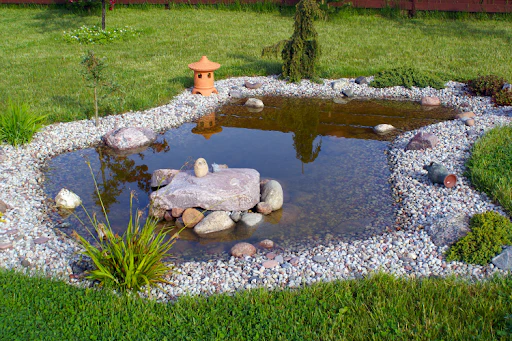
Flat stones near the edges can act as landing platforms for dragonflies and drinking spots for birds.
Stack larger rocks around the outer rim of the container to hide the plastic edge. This step not only improves the appearance but also helps the pond blend naturally with the surrounding garden.
Natural edges also provide shelter for insects and small animals.
Step 5: Filling the Pond with Water
Water quality is important for establishing a healthy pond ecosystem. Rainwater is usually the best option because it contains no chlorine or chemical treatments.
Many gardeners collect rainwater using barrels or water butts.

Tap water can also be used, but it should sit for 24 to 48 hours before adding plants or wildlife. This waiting period allows chlorine to dissipate naturally.
Fill the pond until the water level sits just below the rim.
Avoid adding pumps or filters unless the pond is large. In small wildlife ponds, natural plants and microorganisms usually maintain balance without mechanical equipment.
Step 6: Adding Aquatic and Surrounding Plants
Plants are essential for a successful wildlife pond. Aquatic plants help oxygenate the water, provide shelter for insects, and create places where amphibians can lay eggs.

Examples of suitable aquatic plants include:
- Water mint
- Marsh marigold
- Dwarf water lilies
- Hornwort
These plants are typically placed in small submerged pots filled with aquatic soil.
Around the edges of the pond, add terrestrial plants such as grasses, ferns, or native flowers. These plants create shade and provide habitat for pollinators.
It is also helpful to add a sloped rock or small branch that extends into the water. This feature acts as a natural escape ramp for animals that accidentally fall into the pond.
What Happens After the Pond Is Built?
Many new pond owners are surprised by how quickly wildlife arrives. Dragonflies are often the first visitors. These insects can detect water from long distances and may begin laying eggs within days.
Frogs and toads typically appear within weeks if they already exist in the surrounding environment. Birds quickly learn that ponds provide safe drinking and bathing spots, especially during hot weather.
Over time, the pond becomes a balanced ecosystem containing insects, microorganisms, plants, and visiting animals.
Supportive Perspectives on Wildlife Ponds
Conservationists widely support backyard wildlife ponds. Urban ecology studies show that gardens with ponds often host greater biodiversity than gardens without water features.
Small ponds also support pollinators and beneficial insects that help control pests naturally. For homeowners interested in sustainable gardening, wildlife ponds reduce the need for pesticides and create more resilient garden ecosystems.
They also provide educational opportunities for children to observe frogs, insects, and aquatic life up close.
Critical Considerations and Potential Challenges
Despite their benefits, wildlife ponds do require some care. Mosquito concerns are often raised. However, in healthy ponds, predators such as dragonfly larvae and beetles typically keep mosquito populations under control.
Another concern is safety, particularly in households with young children. Even shallow ponds should be carefully designed with gradual slopes or covered when necessary.
Maintenance is also important. Leaves and debris should occasionally be removed to prevent excessive nutrient buildup.
Still, compared with ornamental water features, wildlife ponds require relatively little ongoing maintenance.
Real World Impact of Backyard Ponds
Across Europe, Australia, and North America, backyard ponds are increasingly promoted as part of citizen conservation efforts. Urban biodiversity programs encourage homeowners to create wildlife friendly gardens that include native plants, water sources, and shelter for animals.
When thousands of small ponds exist across neighborhoods, they form networks of habitat that allow species to survive even in heavily developed cities.
In this way, a single backyard pond contributes to a much larger ecological system.
Conclusion
Creating a small wildlife pond is one of the simplest and most effective ways to support biodiversity in a garden. With only a storage bin, some rocks, and a few plants, anyone can build a thriving habitat that attracts frogs, dragonflies, birds, and beneficial insects.
The process is straightforward. Dig a shallow hole, stabilize the base with sand, install the container, add natural stones, fill with water, and introduce aquatic plants.
Beyond its beauty, a small pond provides real ecological value. It offers freshwater habitat, supports pollinators, and helps restore biodiversity in urban environments.