Composting is one of the most sustainable and rewarding practices you can incorporate into your garden routine. Not only does it help reduce waste, but it also turns everyday organic materials into rich, fertile soil that nurtures your plants.
Whether you’re a seasoned gardener or just starting, knowing what to compost (and what to avoid) is essential for creating a healthy, efficient composting system.
The Power of Composting
Composting is an incredibly rewarding and environmentally friendly practice. It not only helps reduce waste but also creates nutrient-rich soil that can boost your garden’s health and productivity.
Whether you’re new to composting or a seasoned gardener, knowing what to compost and what to avoid is key to creating a healthy, balanced compost pile.
Step 1: Why Composting Matters
Before diving into the specifics of composting, let’s first talk about why it’s such an important practice. When organic matter breaks down naturally in a landfill, it produces harmful greenhouse gases.
Composting, on the other hand, reduces waste, decreases the need for chemical fertilizers, and enhances the soil’s ability to retain moisture.
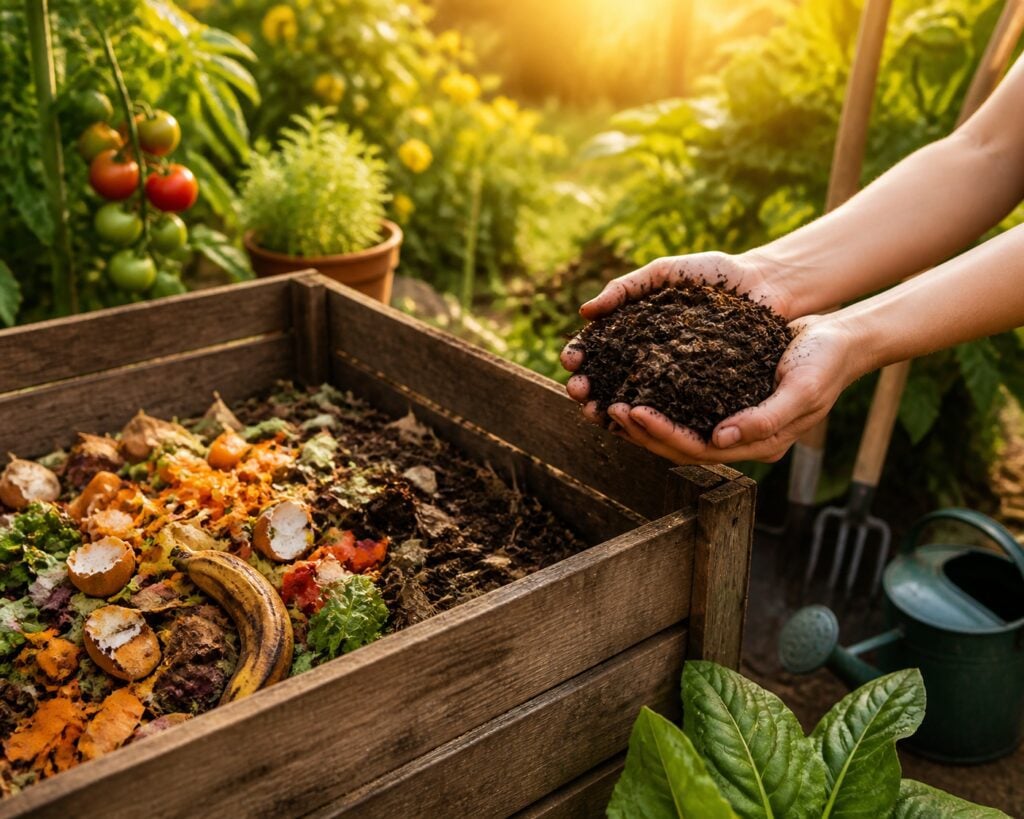
Plus, composting helps reduce your carbon footprint, making it a small yet impactful step towards sustainability.
Personally, composting has been one of the easiest and most fulfilling ways to help the environment and improve my garden.
After starting my compost pile, I noticed my plants became healthier, and I could use the compost in areas that needed a soil boost. It’s a natural and cost-effective way to create rich, fertile soil right in your backyard.
Step 2: The Basics of Composting
The basic concept of composting is quite simple: you create a balanced environment where microorganisms can break down organic materials into compost.
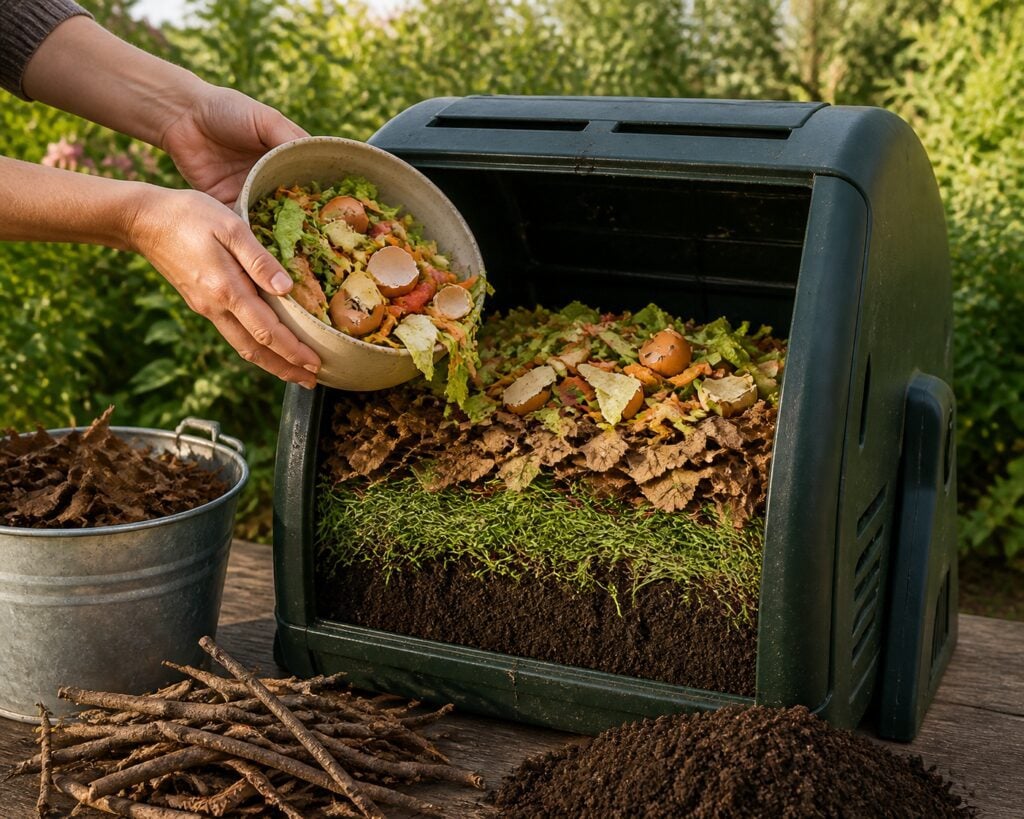
This process requires three key ingredients:
- Carbon-rich materials (Browns): These materials provide energy for the microbes. They include dried leaves, twigs, straw, and cardboard.
- Nitrogen-rich materials (Greens): These materials provide protein for microbes and help them break down carbon materials. They include fruit and vegetable scraps, grass clippings, and coffee grounds.
- Water and Air: Moisture helps the microbes break down the materials, while oxygen is essential for aerobic microbes to thrive. A balanced compost pile should be moist but not too wet, and you’ll need to turn it regularly to maintain airflow.
Over time, these materials will decompose, creating rich, dark, crumbly compost that’s perfect for enriching your garden soil.
Step 3: What to Compost?
Knowing what to compost is one of the most important factors in building a healthy compost pile. Some materials break down quickly, while others take more time.
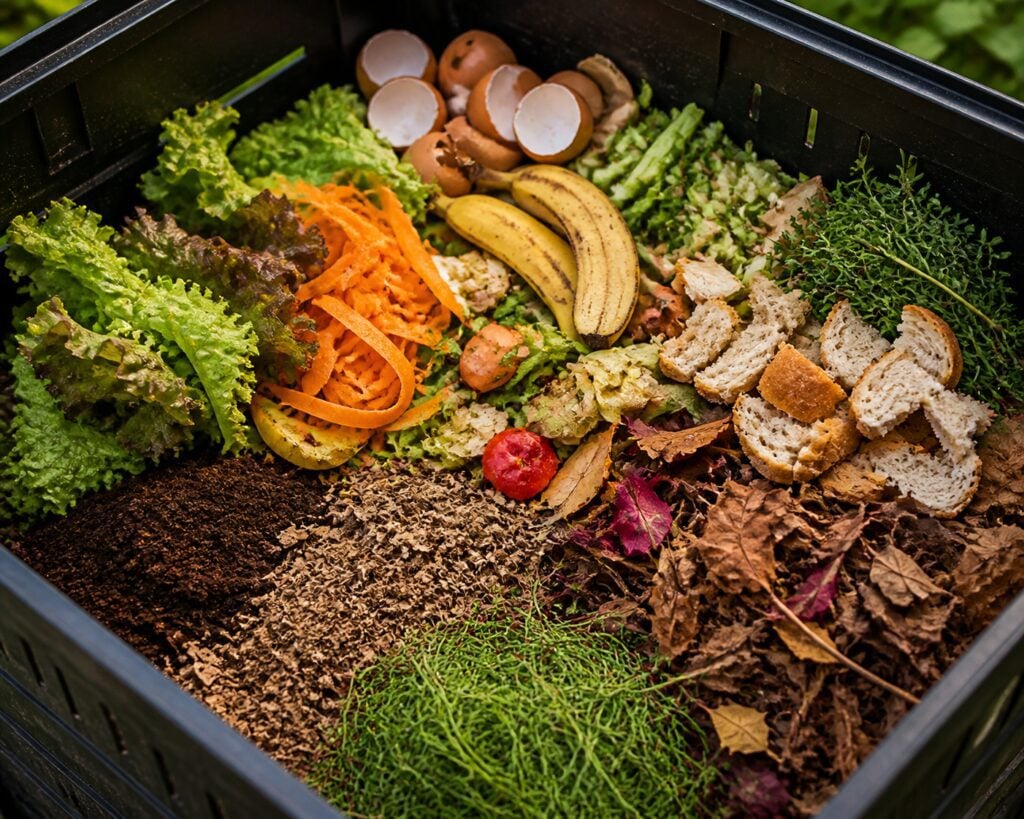
Based on my personal experience, here’s a list of the materials that I include in my compost pile:
1. Fruit and Vegetable Scraps
Fruit and vegetable scraps are rich in nutrients and are ideal for composting. These include peels, cores, seeds, and other food waste that you might not normally use.
I’ve found that banana peels, apple cores, and carrot tops break down quickly and are packed with valuable nutrients for the soil.
2. Tea Bags and Coffee Grounds
Both tea bags (without synthetic fibers) and coffee grounds are excellent additions to a compost pile. They add nitrogen, which is essential for composting.
I always make sure to include my used coffee grounds and tea bags in my compost. If you use tea bags, just check that they are made of paper or natural fibers and not synthetic ones.
3. Eggshells
Eggshells are a great addition to compost because they provide calcium, which helps plants build strong cell walls. I crush the eggshells before adding them to the pile to speed up the decomposition process.
4. Grains and Nut Shells
I add old bread, leftover grains, and nut shells to my compost pile. These are excellent sources of carbon, especially when broken down into smaller pieces.
Make sure to mix them with enough green materials to keep the balance.
5. Corn Cobs and Husks
Corn cobs and husks can take a little longer to break down, but they’re great for adding bulk to the pile. I usually chop them into smaller pieces to help them break down more easily.
6. Herbs
Herbs like basil, thyme, and rosemary are also compostable, especially if they’ve gone past their prime. I include leftover stems and leaves to provide additional nutrients for the compost pile.
Step 4: What Not to Compost?
While composting can be highly beneficial, there are certain materials you should avoid adding to your compost pile. If you compost the wrong items, it can lead to unpleasant odors, pests, and a less-than-ideal composting process.
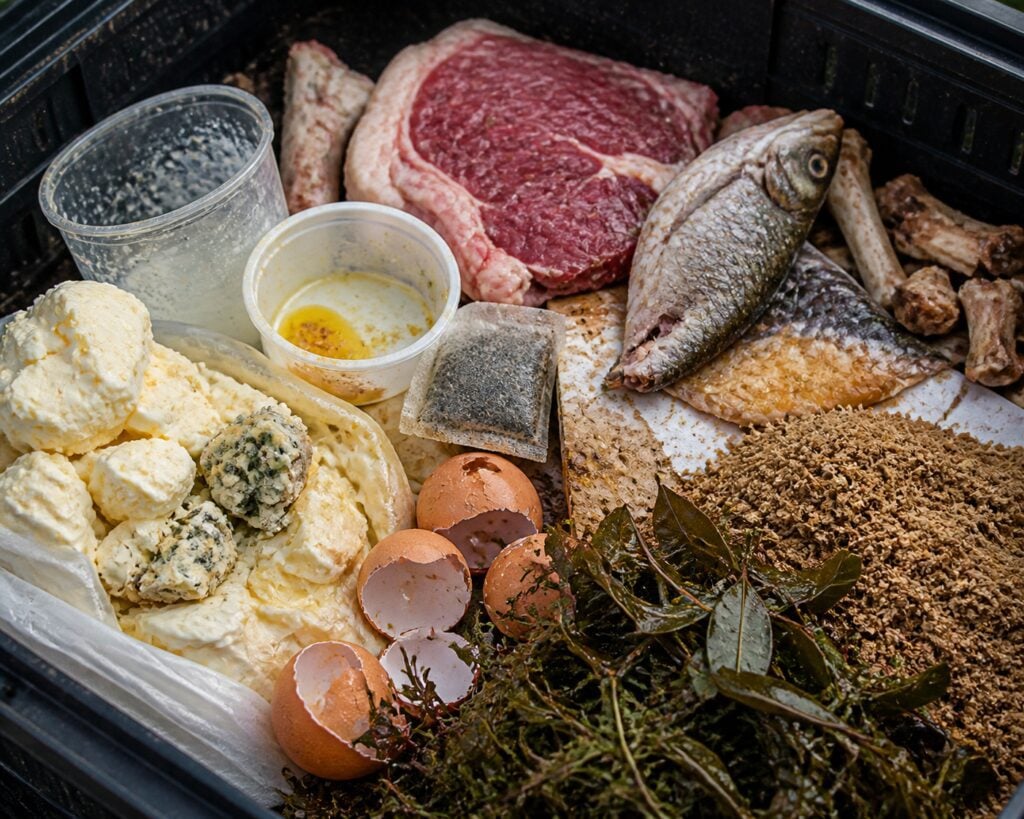
Based on my own mistakes, here’s what I avoid:
1. Meat, Poultry, and Fish
While these items are organic, they attract pests and animals, making your compost pile a magnet for unwanted visitors.
I’ve learned that meat, fish, and poultry should never be composted, as they can also slow down the composting process due to their high fat content.
2. Dairy Products
Similar to meat, dairy products such as milk, cheese, and yogurt can attract pests and create foul odors. These foods also don’t break down as easily as other materials, so I make sure to keep them out of my compost.
3. Grease and Oils
Adding grease, oils, or fatty substances to your compost pile can cause the pile to become greasy, making it harder for air to circulate and disrupting the breakdown of other materials.
I once added some leftover cooking oil to my compost pile, and it created a gooey mess. Since then, I avoid it completely.
4. Bones
Bones can take a long time to break down and can make the compost pile smelly. I learned this the hard way when I composted a chicken bone and found it still intact months later.
It’s best to avoid bones altogether.
5. Pet Waste
Pet waste, including dog and cat feces, should never go in the compost pile. These materials can contain harmful bacteria and parasites that can contaminate your compost and garden soil.
I once made the mistake of composting some pet waste, and I regretted it when I learned about the risks involved.
6. Cooked Foods
While some raw food scraps are compostable, cooked food should generally be avoided. Cooked foods can attract pests, and they’re often covered in oils, sauces, or spices that don’t belong in your compost.
I’ve stopped adding leftovers to my compost pile to keep things simple and safe.
7. Diseased Plants
If your plants have been infected with disease or pests, it’s better not to compost them. Composting diseased plants can spread the disease to other areas of your garden.
I now always dispose of infected plants through municipal waste to prevent this problem.
Step 5: Maintaining Your Compost Pile
Once you’ve got your compost pile started, the next step is to maintain it. Composting is a process that requires ongoing care, but it’s not as complicated as it sounds.
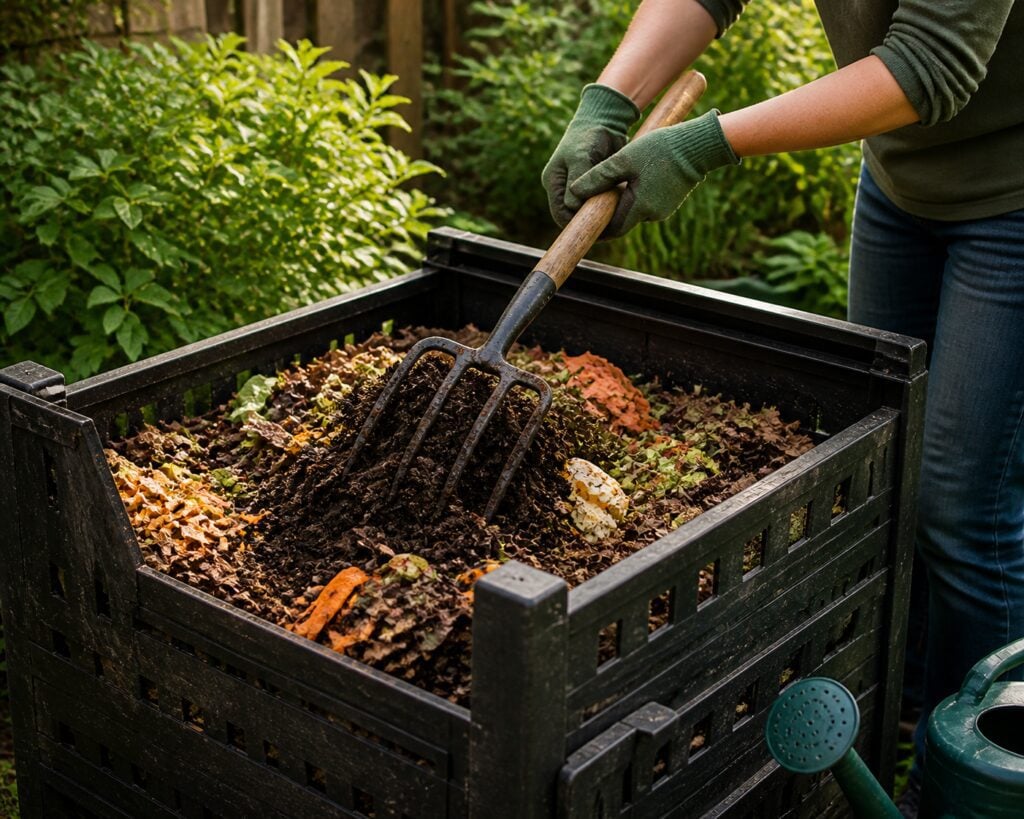
Here’s how I maintain my compost pile:
- Turn the Pile Regularly: Aerobic bacteria thrive in a well-oxygenated environment, so turning the pile every few weeks ensures the material breaks down faster and more evenly. I use a pitchfork to mix it up, ensuring proper air circulation.
- Moisture Control: Compost needs to be moist but not soggy. I add water during dry spells, but I also avoid letting it get too wet. A good rule of thumb is that the pile should feel like a wrung-out sponge.
- Monitor Temperature: The temperature of the compost pile will rise as the materials break down, and keeping it warm speeds up the process. If it’s not getting warm enough, I add more green materials to increase the heat.
Step 6: Enjoy the Fruits of Your Labor
The final step in composting is enjoying the rich, dark compost that results from your hard work.
After a few months, the compost will be ready for use, and it’s incredibly rewarding to see the transformation from kitchen scraps and yard waste into a nutrient-packed soil amendment.
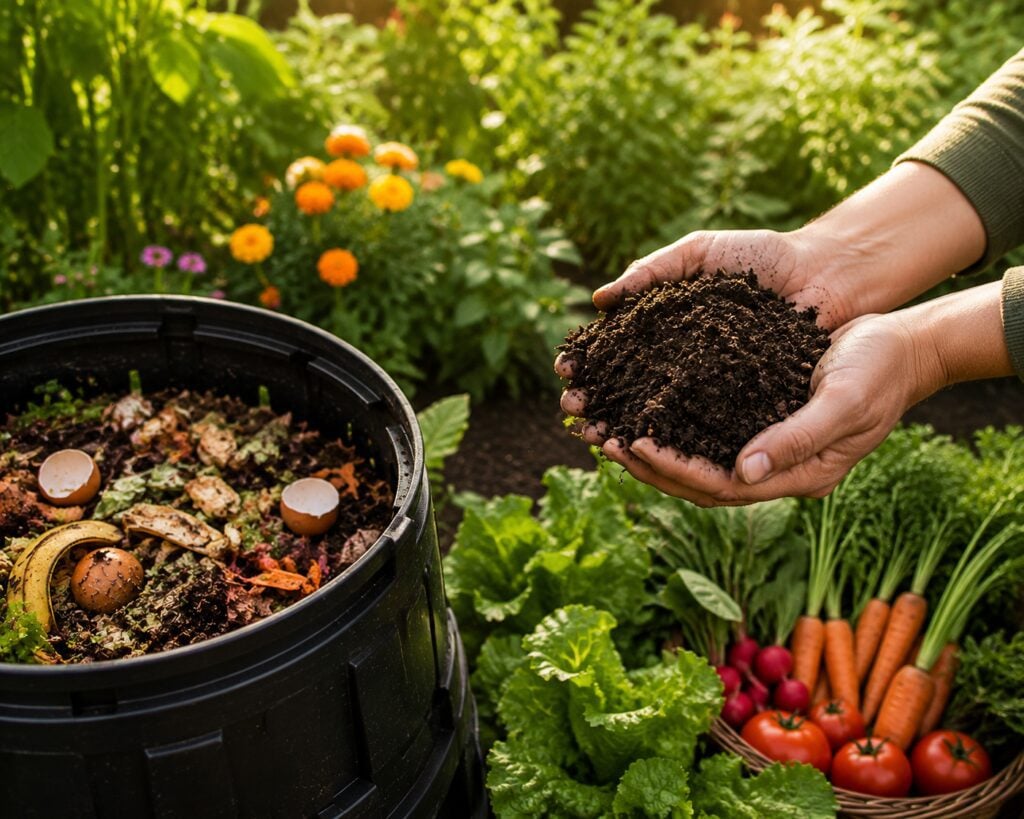
I use my homemade compost for everything from flower beds to vegetable gardens, and it’s always amazing to see how much healthier my plants grow when they’re nourished with compost.
Conclusion
Composting is an incredibly rewarding practice that can reduce waste and provide you with nutrient-rich soil for your garden. B
y understanding what to compost, what to avoid, and how to maintain your pile, you’ll be well on your way to creating an efficient composting system.
It’s one of the simplest yet most impactful things you can do for your garden and the environment.
Start composting today, and enjoy the benefits for years to come.