
As a passionate gardener, I’ve always wondered about the numbers on the bags of fertilizer. What do they mean, and why are they so important for my plants?
After some research and hands-on experience, I learned that these numbers are crucial for helping plants grow strong, healthy, and vibrant.
What Do NPK Numbers Mean?
The numbers on fertilizer packages are not just random figures; they represent the key nutrients that your plants need to thrive.
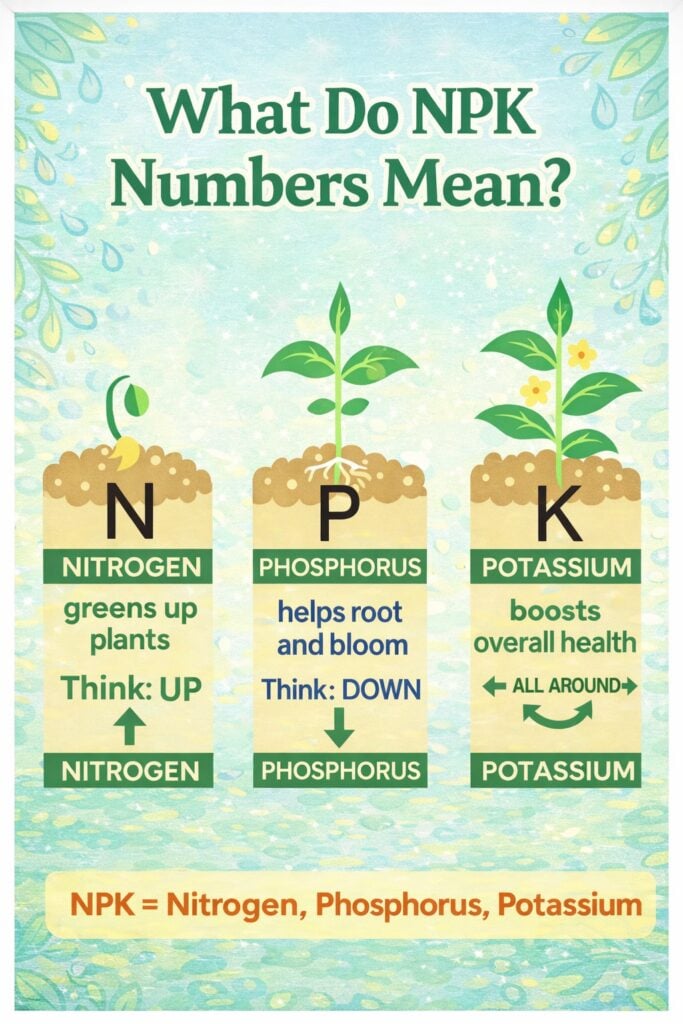
These three primary nutrients—Nitrogen (N), Phosphorus (P), and Potassium (K)—are essential for plant growth, and they are listed in a specific order on fertilizer bags.
Let’s dive into each of these nutrients and their role in plant health.
Nitrogen: The Green Booster (N)

The first number you’ll see on a fertilizer bag is always nitrogen, represented by the letter “N.” Nitrogen plays a vital role in plant growth, particularly in the development of leaves and stems. It helps plants produce chlorophyll, which is crucial for photosynthesis.
If you notice that your plants are growing slowly or have yellowing leaves, a nitrogen deficiency might be the culprit.
From my experience, adding a nitrogen-rich fertilizer has an immediate effect on the overall appearance of plants. The leaves become greener, and the plant seems to perk up.
For leafy vegetables like lettuce, spinach, or kale, nitrogen is especially important to encourage lush foliage.
When to Use Nitrogen Fertilizer?
Nitrogen is a vital nutrient that plays a key role in the healthy growth and development of plants. As an essential component of chlorophyll, the molecule responsible for photosynthesis, nitrogen supports vigorous plant growth, particularly during stages that require an increase in green, leafy material. Knowing when to apply nitrogen fertilizer is crucial for maximizing plant health and yield.
Here are some key instances when nitrogen is especially beneficial:
- Early Growth: During the vegetative stage, when plants are focused on leaf and stem growth, nitrogen is essential.
- Leafy Vegetables: For plants that produce edible leaves, nitrogen encourages healthy, abundant growth.
- Lawns: Nitrogen is often used in fertilizers for grass to keep lawns vibrant and green.
Phosphorus: The Root and Bloom Builder (P)

The second number in the NPK sequence is phosphorus, represented by the letter “P.” Phosphorus is crucial for root development, flower and fruit production, and overall plant energy.
It aids in the transfer of energy within the plant, ensuring that all functions, such as cell division and growth, are supported.
When I started using phosphorus-rich fertilizer for my flowering plants and fruiting crops, I noticed a marked improvement in their blooming and fruit-setting abilities.
Plants like tomatoes, peppers, and flowers such as roses benefit greatly from an increase in phosphorus.
When to Use Phosphorus Fertilizer?
Phosphorus is a crucial nutrient for plants, playing a key role in energy transfer, photosynthesis, and the development of strong root systems. It is essential for early plant growth, as well as for the production of flowers and fruits.
Knowing when to apply phosphorus fertilizer can significantly improve the health and productivity of your plants.
Here are the key stages and plant types when phosphorus fertilizer is particularly beneficial:
- Root Development: For newly planted seeds or transplants, phosphorus helps develop strong root systems.
- Flowering Plants: Use a phosphorus-based fertilizer to encourage blooming in plants like roses, petunias, and lilies.
- Fruiting Plants: If you want better yields from fruiting plants like tomatoes and strawberries, phosphorus is key.
Potassium: The All-Rounder (K)

The last number on the fertilizer bag is potassium, represented by the letter “K.” Potassium promotes overall plant health and resilience.
It helps plants resist diseases, improves water uptake, and supports the production of strong cell walls, which in turn makes the plant less susceptible to environmental stress like drought or pests.
In my experience, potassium is like the multivitamin of fertilizers—it strengthens plants on all fronts. For crops such as carrots, potatoes, and fruit trees, potassium helps increase yield and improve the quality of the harvest.
I also noticed that plants treated with potassium tend to have more vibrant, stronger colors and healthier leaves.
When to Use Potassium Fertilizer?
Potassium is a vital nutrient that supports overall plant health by aiding in the regulation of various physiological processes. It helps plants withstand environmental stresses and boosts their ability to absorb water and nutrients efficiently.
Potassium is also essential for the development of strong, healthy roots and the production of high-quality fruits and vegetables.
Here are some important instances when potassium fertilizer can make a significant difference in plant growth:
- All-Purpose Growth: Use potassium to maintain overall plant health, especially for mature plants.
- Stress Resistance: Potassium helps plants cope with environmental stress, such as heat or drought.
- Root Crops and Fruits: For crops that grow underground or produce fruits, potassium supports healthy growth and good harvests.
The Perfect NPK Ratio for Your Plants

Now that we understand what each number in the NPK ratio represents, it’s important to know which ratios work best for different plants.
Fertilizers come in various NPK formulations, each suited for specific stages of plant growth or types of plants.
Here’s how to choose the right one:
1. High Nitrogen (N) Fertilizers
Ideal for plants in their early growth stages or leafy vegetables, a high nitrogen fertilizer like 30-10-10 promotes fast growth and lush greenery.
2. Balanced NPK Fertilizers (10-10-10)
A balanced fertilizer, such as 10-10-10, provides an even mix of nitrogen, phosphorus, and potassium. This is great for general use across a wide variety of plants.
3. High Phosphorus (P) Fertilizers
If you’re trying to encourage blooming or fruit production, a fertilizer with a higher phosphorus content, like 10-20-10, is ideal. Use this on flowering plants and fruiting crops.
4. High Potassium (K) Fertilizers
For plants that need extra disease resistance and overall vigor, a high potassium fertilizer such as 5-10-20 will ensure strong, healthy growth.
How to Use Fertilizer Effectively?

The way you apply fertilizer can make a huge difference in how your plants benefit from the nutrients.
Here are some best practices I’ve learned through trial and error:
- Don’t Overfertilize: While it may seem like more fertilizer equals more growth, overdoing it can harm your plants. Always follow the manufacturer’s instructions and avoid applying fertilizer too frequently.
- Water After Fertilizing: When using granular fertilizers, water your plants well afterward to help dissolve the fertilizer and prevent it from burning the roots.
- Use Slow-Release Fertilizers: Slow-release fertilizers are a great way to ensure that your plants get a steady supply of nutrients over time, rather than being overwhelmed by a sudden burst of fertilizer.
- Monitor Plant Response: Keep an eye on your plants after fertilizing. If the leaves begin to burn or discolor, you may need to adjust the fertilizer or frequency of application.
Fertilizer is Key to Thriving Plants
Understanding the NPK numbers on fertilizer bags is the first step in becoming a more knowledgeable and effective gardener. Nitrogen, phosphorus, and potassium each serve a unique role in helping your plants grow, bloom, and resist stress.
By choosing the right fertilizer and applying it correctly, you’ll be well on your way to creating a flourishing garden full of healthy, vibrant plants.
With the proper care, your plants will reward you with bountiful flowers, fruits, and foliage.


