March marks a quiet but powerful shift for home growers. What may have felt like a small experiment during colder months suddenly becomes a reliable system for producing real food.
With longer daylight hours and slightly warmer indoor temperatures, plant metabolism accelerates. Roots form faster, shoots grow stronger, and kitchen scraps that once struggled begin to thrive.
This seasonal transition matters not only for hobby gardeners but also for households looking to reduce food waste, save money, and reconnect with how food grows.
In a time when sustainability is increasingly important, regrowing vegetables from scraps offers a practical, low-cost entry into gardening.
Why This Month Is the Turning Point?
Plants respond directly to environmental cues, especially light and temperature. During winter, reduced sunlight slows photosynthesis, limiting energy for growth.
By March, daylight increases significantly, which boosts chlorophyll production and encourages faster root development.
Indoor environments also become more stable. Heating systems maintain consistent warmth, often between 20 to 25 degrees Celsius, which is ideal for many plant species to initiate growth.
Research in plant physiology shows that even small increases in temperature can dramatically speed up enzymatic processes responsible for cell division and root formation.
This combination of light and warmth creates optimal conditions for regrowing kitchen scraps without the need for advanced tools or outdoor space.
Fastest Growing Scraps That Produce in Under a Week
This is where the magic happens almost instantly. Some kitchen scraps don’t just grow, they explode with life in a matter of days, making them perfect for anyone who wants quick, satisfying results.
Leek bases, onion bottoms, carrot tops, and beet ends all contain stored energy that kicks into action the moment they touch water and light, sending out fresh green shoots in as little as four to seven days.
It feels almost unbelievable watching something you were about to throw away transform into edible greens right on your windowsill, proving that regrowing food isn’t slow or complicated, it just needs the right moment, and March delivers exactly that.
1. Leek Bases

Cut the white base of a leek, leaving about 2 to 3 centimeters. Place it upright in a glass with shallow water. Within 4 to 5 days, new green leaves will begin to emerge.
Tip: Change the water every 2 days to prevent bacterial growth.
2. Onion Bottoms

Slice off the root end of an onion and place it in a jar with minimal water. Within days, green shoots appear. These shoots can be harvested like scallions.
Tip: Ensure only the roots touch the water to avoid rot.
3. Carrot Tops

Carrots will not regrow roots, but their tops produce edible greens. Place the cut top in a shallow dish with water. Leaves will appear within a week.
Tip: Use these greens in pesto or salads for added flavor.
4. Beet Ends
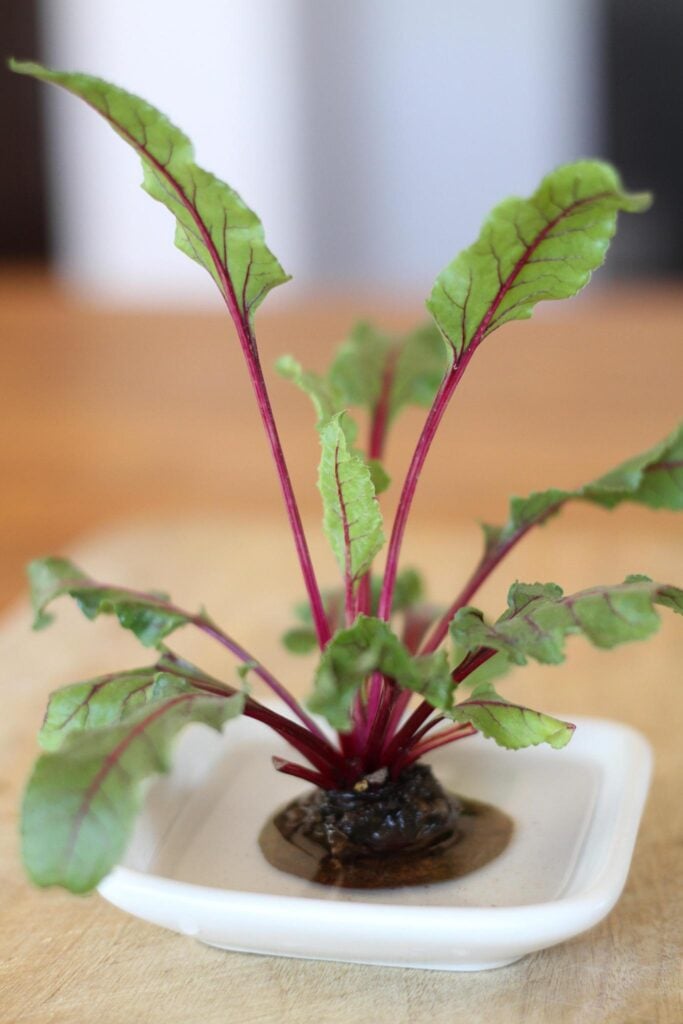
Similar to carrots, beet tops grow leafy greens quickly. Place the cut end in water and harvest the leaves once they develop.
Real Impact: These fast growers provide almost immediate results, making them ideal for beginners or families teaching children about plant life cycles.
Medium Growers That Take 1 to 2 Weeks
These are the growers that reward a little patience with a much bigger payoff. In just one to two weeks, scraps like basil stems and turmeric rhizomes begin developing strong roots and steady new shoots, setting the foundation for fuller plants you can actually transplant and harvest from later.
Unlike the ultra-fast growers, these need a bit more consistency with light, warmth, and clean water or moist soil, but the process is still simple and surprisingly reliable, especially in March when conditions naturally support faster growth.
It is that sweet spot between quick results and long-term potential, where you start to see your kitchen scraps turning into something that feels like a real garden.
1. Basil Stems
Take a cutting just below a leaf node and place it in water. Roots typically form within 7 to 10 days. Once roots reach about 5 centimeters, transfer to soil.
Tip: Keep basil in bright indirect light to prevent leaf burn.
2. Turmeric Rhizomes
Turmeric requires warmth and moisture to break dormancy. Place the rhizome in slightly damp soil and keep it in a warm area. Shoots may appear within 1 to 2 weeks once activated.
Background Insight: Turmeric is a tropical plant, so March conditions help simulate its natural growing environment indoors.
Slow Starters Worth the Patience
These are the ones that test your patience but reward you with something far more satisfying in the long run. Avocado pits, pineapple tops, and rosemary cuttings take weeks to show real progress, often sitting still before suddenly coming to life with roots and new growth.
It can feel like nothing is happening at first, but beneath the surface, energy is building and cells are slowly dividing, especially with the added warmth and light of March.
These slow starters are not about instant results, they are about commitment, and when they finally grow, they transform from simple scraps into lasting plants that can stay with you for months or even years.
1. Avocado Pits
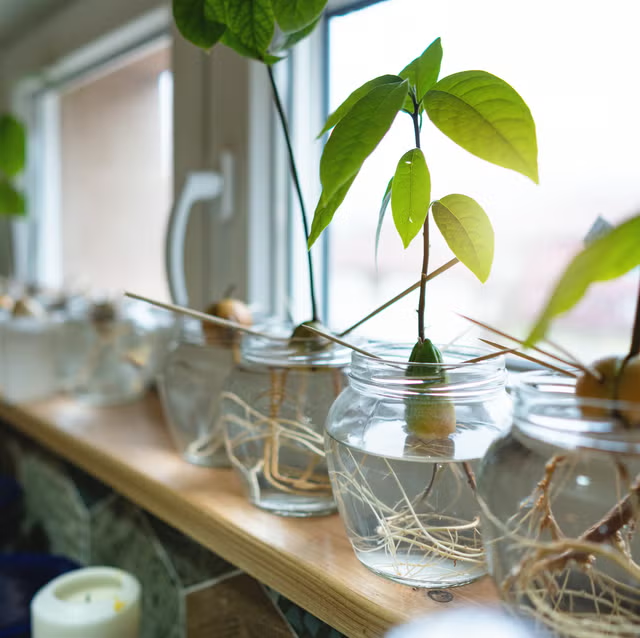
Suspend the seed over water using toothpicks. It can take several weeks to crack open and produce roots. March warmth accelerates this process compared to winter attempts.
2. Pineapple Tops

Twist off the crown, remove excess leaves, and place it in water. Roots take time but establish well in warmer conditions.
3. Rosemary Cuttings

Rosemary is notoriously slow to root. Place cuttings in water or moist soil and keep them in bright light. Expect several weeks before visible growth.
Tip: Start multiple cuttings, as not all will succeed.
The Science Behind Regrowth
Many vegetables regrow because they store energy in their base or roots. These stored carbohydrates fuel new growth when conditions improve.
For example:
- Onions and leeks contain dormant buds that activate when exposed to water and light
- Herbs like basil regenerate through nodes, where growth hormones concentrate
- Root vegetables can redirect energy into leaf production
This process is known as vegetative propagation, a natural survival mechanism in plants.
Environmental and Economic Benefits
Regrowing kitchen scraps may seem small, but its impact adds up in meaningful ways. By turning leftovers into fresh herbs and greens, households can reduce food waste while cutting down on frequent grocery purchases, especially for items that spoil quickly.
This simple habit also supports a more sustainable lifestyle by lowering demand on food production and transportation, which are major contributors to environmental strain.
On a larger scale, when more people adopt practices like this, it creates a ripple effect that benefits both the planet and everyday budgets, proving that sustainability does not always require big changes, just smarter use of what we already have.
- Reducing Food Waste. Globally, about one third of food produced is wasted. Regrowing scraps helps reduce this waste at the household level.
- Saving Money. While not replacing full grocery needs, regrowing herbs and greens can reduce frequent purchases.
- Sustainable Living. This method aligns with zero waste practices and encourages mindful consumption.
- Real World Example. During recent global supply chain disruptions, many households turned to home gardening as a reliable food supplement. Kitchen scrap gardening became a popular entry point due to its simplicity and accessibility.
Additionally, not all scraps are viable for regrowth, and some require specific conditions that beginners may find challenging.
Practical Step by Step Guide
Practical step by step guide sounds simple, but it can be the difference between feeling overwhelmed and finally getting things done with confidence.
Instead of guessing what to do next or wasting time on trial and error, this guide breaks everything down into clear, manageable steps that are easy to follow from start to finish.
Whether you are a beginner or just need a more organized approach, this is designed to help you move forward with less stress, fewer mistakes, and better results.
- Save viable scraps such as roots, stems, or bases.
- Rinse thoroughly to remove bacteria.
- Place in clean water or moist soil depending on the plant.
- Position near natural light but avoid direct harsh sunlight.
- Change water regularly to prevent rot.
- Transfer to soil once roots are established.
Key Insight: Consistency matters more than complexity. Regular care often determines success more than advanced techniques.
Future Implications
As urban living spaces become smaller and sustainability becomes more urgent, simple systems like kitchen scrap gardening may play a larger role in everyday life.
Innovations in hydroponics and indoor growing systems are already making it easier to scale these practices.
Schools and community programs are also integrating food regrowth into education, teaching younger generations about sustainability and food systems.
Conclusion
March creates the perfect conditions for turning kitchen scraps into a functional growing system. With increased light and warmth, plants respond quickly, offering visible results within days for some species.
While not a complete replacement for traditional gardening, this method provides a practical, sustainable, and educational way to grow food at home.
It bridges the gap between consumption and cultivation, reminding us that what we often discard still holds the potential for growth.