Sage is one of the most powerful and versatile herbs you can grow. While many people know it for cooking, the truth is that sage leaves offer a long list of practical uses for health, home care, wellness, and even beauty routines.
This makes sage one of those rare herbs that bring value far beyond the kitchen.
In many cultures, sage has been respected for cleansing, healing, and protecting. Modern herbal experts continue to use sage leaves for everything from flavoring meals to removing negative energy and supporting respiratory health.
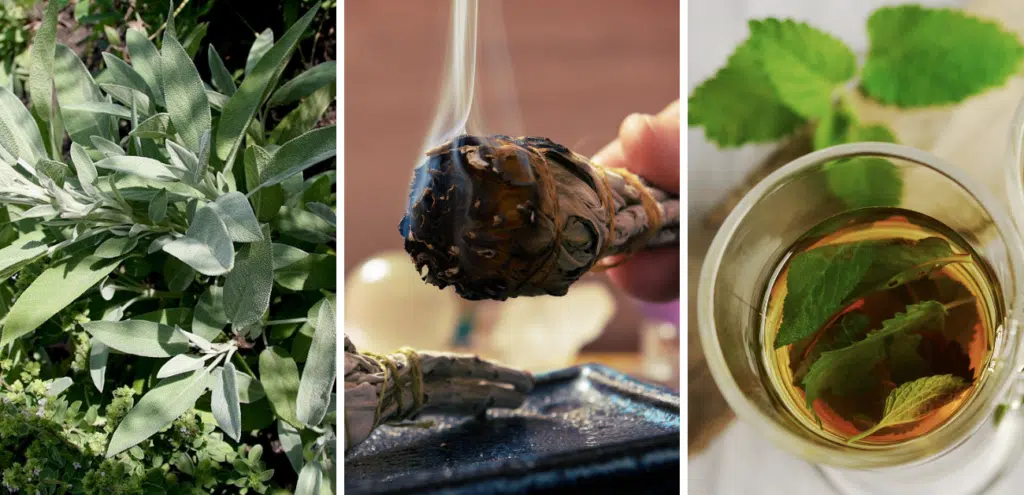
The best part is that most of these uses are incredibly simple and can be done at home with fresh or dried sage leaves.
Before we begin, imagine having a single plant in your home that can flavor your food, clean the air, soothe your mind, and support your body.
That is the magic of sage.
14 Ways to Use Sage Leaves
This guide will walk you through 14 easy, effective, and expert-style ways to use sage leaves in your daily routine. You will also learn why each method works and how to prepare it safely, even if you are new to herbal remedies.
1. Sage Tea for Relaxation and Digestion
Sage tea is one of the easiest and most soothing ways to use the leaves. It has natural compounds that support digestion, reduce bloating, and calm the mind.
How to prepare:
• Add 1 to 2 teaspoons of dried sage or a few fresh leaves into a cup.
• Pour hot water over it.
• Steep for 5 to 10 minutes and strain.
You can drink sage tea after meals or during stressful moments. Its warm aroma offers instant comfort.
2. Sage Steam for Colds and Respiratory Health
Sage contains strong antibacterial and antiviral properties that help support breathing, especially when you feel congested.
How to use sage steam:
• Boil water in a bowl.
• Add a handful of sage leaves.
• Lean over the bowl and inhale the steam with a towel over your head.
This method helps soothe the throat, open airways, and ease sinus pressure.
3. Sage Honey for Sore Throats

When sage is infused in honey, the result is a natural remedy perfect for sore throats and coughs.
Steps:
• Warm raw honey gently.
• Add fresh sage leaves.
• Let the mixture sit for at least two weeks before using.
Take a spoonful when your throat feels irritated or mix it into warm tea.
4. Sage in Cooking for Flavor and Nutrition
Sage offers a rich aroma that enhances soups, poultry dishes, roasted vegetables, and sauces. Beyond flavor, sage adds antioxidants and digestive benefits to your meals.
Try adding fresh sage to:
• Butter sauces
• Roasted potatoes
• Chicken or turkey marinades
• Pasta dishes
Once you taste it, sage will become a kitchen favorite.
5. Sage Tincture for Concentrated Benefits
A sage tincture is a strong herbal extract used for immunity, digestion, and emotional balance.
How to make a simple tincture:
• Fill a jar with chopped sage leaves.
• Cover with alcohol like vodka.
• Seal and let it rest for 4 to 6 weeks.
• Strain and store in a dark bottle.
Take a few drops as needed, following dosage guidance.
6. Sage Mouthwash for Oral Health
Sage is naturally antibacterial and can help fight gum irritation, bad breath, and mouth sores.
How to make sage mouthwash:
• Boil water with a handful of sage leaves.
• Let it cool completely.
• Use it as a natural rinse once or twice a day.
This is especially helpful for people with sensitive gums.
7. Sage Hair Rinse for Shine and Scalp Health

Sage supports a cleaner scalp and adds richness to dark hair.
How to prepare:
• Boil sage leaves in water.
• Let the mixture cool.
• Pour it over your hair after shampooing.
This rinse helps remove buildup and gives hair a natural shine.
8. Sage Compress for Skin Irritation
Sage leaves can soothe skin discomfort, minor cuts, and swelling.
How to use it:
• Make a strong sage tea and let it cool.
• Soak a clean cloth in the tea.
• Press it gently on the irritated area.
This method offers gentle healing support for the skin.
9. Sage Ice Cubes for Quick Relief
This is a simple solution for inflamed skin or puffy under-eyes.
Steps:
• Brew sage tea.
• Pour it into an ice tray.
• Freeze and apply as needed.
Cold sage cubes bring instant refreshing relief.
10. Sage Bath for Stress and Muscle Tension
Adding sage to your bath creates a calming and aromatic experience that supports relaxation.
How to prepare:
• Toss a handful of fresh or dried sage into the warm bathwater.
• Soak for 20 minutes.
Sage baths are perfect for stressful days or after physical activity.
11. Burning Sage for Energy Cleansing
Burning sage, also known as smudging, has been used for centuries to purify spaces and clear negative energy.
How to practice safely:
• Light a dried sage bundle.
• Let the smoke release gently.
• Move slowly around the room, keeping windows open.
Many people use sage to refresh the energy after arguments, illness, or heavy emotions.
12. Sage Sachets for Natural Freshness
If you want a natural, chemical-free way to freshen drawers or closets, sage sachets are perfect.
How to make them:
• Dry sage leaves completely.
• Place them in small cloth bags.
• Put them in drawers, cabinets, or around the house.
They add a clean, herbal aroma and repel unwanted pests.
13. Sage Oil for Aromatherapy and Massage

Sage essential oil is used for emotional grounding, focus, and relaxation.
Ways to use sage oil:
• Add a few drops to a diffuser.
• Dilute with carrier oil for massage.
• Use during meditation or yoga.
Never apply pure sage oil directly to the skin without dilution.
14. Sage for Insect Repellent
Sage leaves naturally repel insects, especially mosquitoes and flies.
How to use:
• Burn dried sage outdoors to keep bugs away.
• Place fresh sage leaves near windows.
• Crush leaves and rub gently on outdoor furniture.
This is a safe and natural alternative to chemical repellents.
Sage Uses and Their Main Benefits
| Use | Benefit |
|---|---|
| Sage tea | Digestion and relaxation |
| Sage steam | Respiratory support |
| Sage honey | Sore throat relief |
| Cooking with sage | Added flavor and antioxidants |
| Tincture | Concentrated immune support |
| Sage mouthwash | Oral health and fresh breath |
| Hair rinse | Scalp health and shine |
| Sage compress | Skin soothing |
| Sage ice cubes | Cooling relief |
| Sage bath | Stress reduction |
| Burning sage | Energy cleansing |
| Sage sachets | Natural freshening and pest control |
| Sage essential oil | Focus and relaxation |
| Insect repellent | Outdoor bug control |
Important Tips When Using Sage Leaves
To use sage safely and effectively, keep these simple tips in mind:
• Clean leaves before using them in teas or cooking.
• Avoid sage remedies during pregnancy unless guided by a professional.
• Use only diluted essential oil on the skin.
• Burn sage in well-ventilated spaces.
• Store dried sage in airtight containers.
• Introduce sage slowly if you are new to herbal remedies.
These reminders help you enjoy sage confidently.
Sage Leaves are a Daily Life Essential
Sage is more than a kitchen herb. It is a natural healer, a home purifier, and a versatile wellness ingredient. Whether you want clearer skin, deeper relaxation, better flavor in meals, or a fresher home, sage leaves offer a simple and powerful solution.
Now that you know 14 different ways to use sage, you can bring this amazing herb into daily life with ease. One plant, many benefits. That is the beauty of sage.