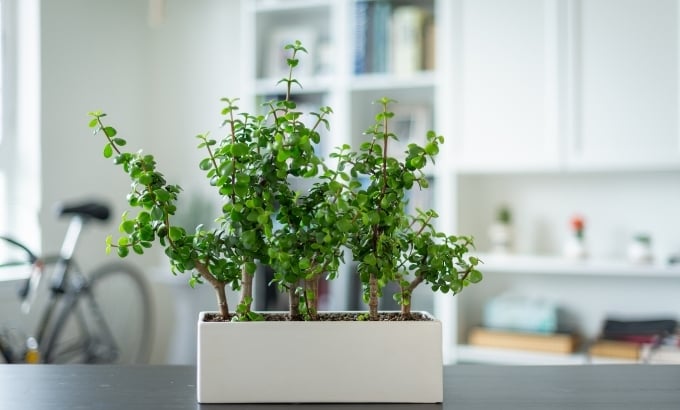
Spider plants are famous for being one of the easiest houseplants to keep alive. They grow fast, look beautiful in hanging baskets, and reward you with long, arching leaves and adorable baby plantlets. But even the most low-maintenance plant needs occasional grooming to stay lush and vibrant.
Pruning a spider plant may sound intimidating at first, but the process is simple once you understand what to remove and why.
Regular pruning helps your plant redirect energy, grow fuller leaves, and stay clean and healthy. It also prevents the plant from becoming tangled or too heavy for its pot.

This guide will show you exactly how to prune your spider plant the right way. You will learn when to prune, which tools to use, how to remove leaves safely, and how to care for the plant afterward.
Every explanation is expert level yet easy to understand.
Before you continue, imagine how much fresher your spider plant will look after a simple trim.
Ready for the glow-up? Let’s begin.
Why Pruning Matters for Spider Plants?
Spider plants grow quickly. Without pruning, they can become messy, overgrown, and crowded with dead or damaged leaves. Pruning helps maintain the shape of the plant and keeps it looking tidy.
Here are the most important reasons why pruning matters:
1. Removes Dead or Brown Leaves
Spider plants sometimes develop brown tips or leaves due to dry air, low humidity, or mineral-rich water. Pruning removes these damaged parts so the plant can focus on healthy new growth.
2. Encourages Fuller Growth
Cutting away older foliage helps the plant redirect nutrients to fresher leaves and baby offshoots.
3. Controls Size
Spider plants can become large and heavy. Pruning keeps them in a manageable size while still looking full.
4. Improves Air Circulation
Thinning out crowded areas helps prevent mold, pests, and rot.
5. Rejuvenates Older Plants
If your plant looks tired or faded, pruning can help restart its growth cycle.
When to Prune Your Spider Plant?
You can prune a spider plant anytime, but the best moment is during active growth seasons such as spring and summer. This helps the plant recover faster.
You should prune if:
• The leaves look brown or dry
• The tips are dark and crispy
• The plant looks too bushy or tangled
• The plantlets are weighing down long stems
• The plant has wilted or yellowing foliage
If you see any of these signs, it is time for a trim.
What You Need Before Pruning?
Pruning is simple, but you should always use clean and sharp tools. Here is a quick checklist:
| Tool | Purpose |
|---|---|
| Sharp scissors or shears | Clean cuts that do not damage tissue |
| Clean cloth or alcohol | Disinfecting the blades |
| Gloves (optional) | For handling long leaves |
| Trash bin | To collect trimmed foliage |
Cleaning your tools prevents fungal spread and ensures your plant stays healthy.
How to Prune a Spider Plant Step-by-Step?
Follow these steps to prune your spider plant with confidence.
1. Start by Removing Brown Tips
Spider plants often develop brown tips, especially when exposed to low humidity or tap water with minerals. Thankfully, this is easy to fix.
How to trim brown tips:
• Identify leaves with dark or crispy ends.
• Use scissors to cut just above the brown area.
• Try to follow the natural shape of the leaf.
Do not cut into the healthy green part more than necessary. The goal is to improve appearance, not shorten the leaf dramatically.
2. Remove Entire Dead or Yellow Leaves
If a leaf is fully yellow or dead, trimming only the tip will not help. These leaves drain energy from the plant.
Steps to remove a full leaf:
• Locate the base where the leaf meets the crown.
• Cut as close to the base as possible.
• Pull gently if the leaf is already loose.
Removing dead leaves encourages fresh replacements to grow.
3. Trim Overgrown or Weak Leaves
Some spider plants produce leaves that stick out awkwardly or hang too low. These can be cleaned up to improve the shape of the plant.
Focus on leaves that:
• Bend oddly
• Grow in a strange direction
• Look weak or pale
• Are overcrowding other leaves
Cut them back near the base for a cleaner, fuller appearance.
4. Prune Long Stems Holding Spiderettes
The plantlets, also known as spiderettes or baby spiders, grow on long stems. These stems can become heavy and make the plant droopy.
You have two choices:
• Remove the entire stem if you want the plant to stay compact.
• Remove only the spiderette if you want to replant it.
How to prune spiderette stems:
• Identify the long stem.
• Cut it close to where it attaches to the main plant.
• Do not leave a long empty stub.
Spiderettes are easy to propagate, so do not throw them away if you want new plants.
5. Thin Out the Center of the Plant
Sometimes the middle of the plant becomes too dense. Trimming a few central leaves improves airflow and reduces the risk of mold.
How to thin out safely:
• Choose older leaves towards the center.
• Remove them one by one.
• Avoid cutting too many at once.
Only thin lightly to help the plant breathe better.
6. Refresh the Plant After Pruning
Once pruning is done, your spider plant needs a few simple steps to recover.
Care tips after pruning:
• Water lightly to reduce stress.
• Move the plant to bright, indirect light.
• Avoid fertilizing for one week.
• Check the soil for proper drainage.
A refreshed environment helps new leaves grow quickly.
How to Propagate Spiderettes During Pruning?
If you removed baby plantlets, you can grow them into new spider plants.
Here is a simple method:
- Choose a healthy spiderette with small roots forming at the base.
- Place it in water or plant it directly into moist soil.
- Keep it in indirect light.
- Roots usually form within one to two weeks.
Spiderette propagation is one of the easiest ways to multiply your plants without effort.
How Often Should You Prune?
Spider plants grow fast, so prune whenever needed. Most people prune lightly every one to two months. A heavy pruning can be done once or twice a year.
If the plant begins leaning over, looking messy, or producing too many spiderettes, it is a sign that pruning is overdue.
Common Mistakes to Avoid
To keep your plant safe, avoid these mistakes:
• Cutting too deep into healthy green tissue
• Using dirty scissors
• Removing too many leaves at once
• Pruning during winter when the plant is dormant
• Overwatering the plant after pruning
These small errors can stress the plant or slow down recovery.
Tips for Keeping Spider Plants Healthy Long-Term
Pruning is one part of spider plant care. Here are extra tips for long-lasting health:
• Use filtered or rainwater to prevent brown tips.
• Keep the plant away from harsh direct sunlight.
• Repot every one to two years to refresh the soil.
• Keep humidity moderate for greener leaves.
• Fertilize lightly during spring and summer.
A combination of pruning and proper care keeps your plant looking lush and vibrant all year.
A Little Pruning Goes a Long Way
Spider plants are tough, beautiful, and forgiving. A simple pruning session can make them look instantly fresher, neater, and brighter.
With just a few cuts, you help the plant grow stronger, breathe better, and produce healthier leaves and spiderettes.
Whether your plant looks a little tired or has grown out of control, pruning is the fastest way to revive it. With the steps in this guide, anyone can prune confidently and enjoy a happier, healthier spider plant.