Bees used to be something I barely noticed. I would hear the soft buzzing in the garden, see them moving from flower to flower, and continue with my day without thinking much about them.
But over time, I started reading more about pollinators and how much our environment depends on them. That changed the way I looked at my own backyard forever.
One afternoon, while watering a few flowers near my house, I noticed far fewer bees than I remembered seeing years ago. The garden still looked green and healthy, but something felt missing.
That moment pushed me to learn more about how bees live, why they are disappearing, and what ordinary people like me can actually do to help.
What surprised me most was how small changes can make a huge difference. Helping bees does not require owning a farm, becoming a beekeeper, or spending a lot of money.
In fact, many of the best things we can do are simple, natural, and easy to start today.
After trying these changes myself, I began seeing more bees returning to the flowers. The garden became more alive, vegetables grew better, and the space felt healthier overall.
It reminded me that even small actions matter when enough people do them together.
Why Bees Matter More Than Most People Realize?
Before I started learning about pollinators, I honestly underestimated how important bees are to daily life. Most people think bees only make honey, but their real contribution goes far beyond that.
Bees help pollinate fruits, vegetables, nuts, flowers, and many crops that humans rely on every single day. Without pollination, many plants would struggle to reproduce.
That means less food, fewer flowers, and weaker ecosystems.
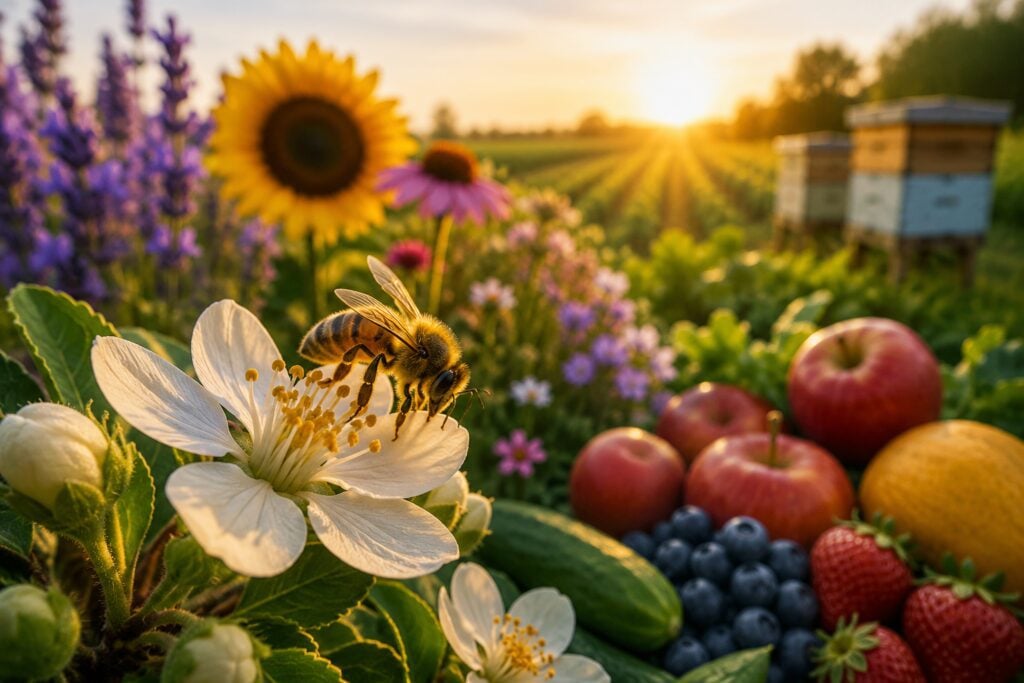
I started noticing how connected everything really is. When bees visit flowers, they transfer pollen between plants, helping them grow seeds and fruits.
This process supports gardens, farms, forests, and wildlife habitats. Even animals depend on plants that bees help pollinate.
The more I researched, the more I realized that declining bee populations affect everyone, even people who never garden. Climate change, habitat destruction, pesticides, and lack of flowering plants have all contributed to making life harder for bees.
That is why even small supportive actions can become powerful.
Plant Bee Friendly Flowers and Plants
The easiest and most beautiful thing I did to help bees was planting flowers that attract pollinators naturally.
At first, I thought all flowers helped bees equally, but that is not actually true. Some flowers provide far more nectar and pollen than others. Bees especially love native plants, wildflowers, herbs, and brightly colored blooms.
I started with lavender, sunflowers, marigolds, basil, rosemary, and zinnias. Almost immediately, I noticed more bee activity around the garden.
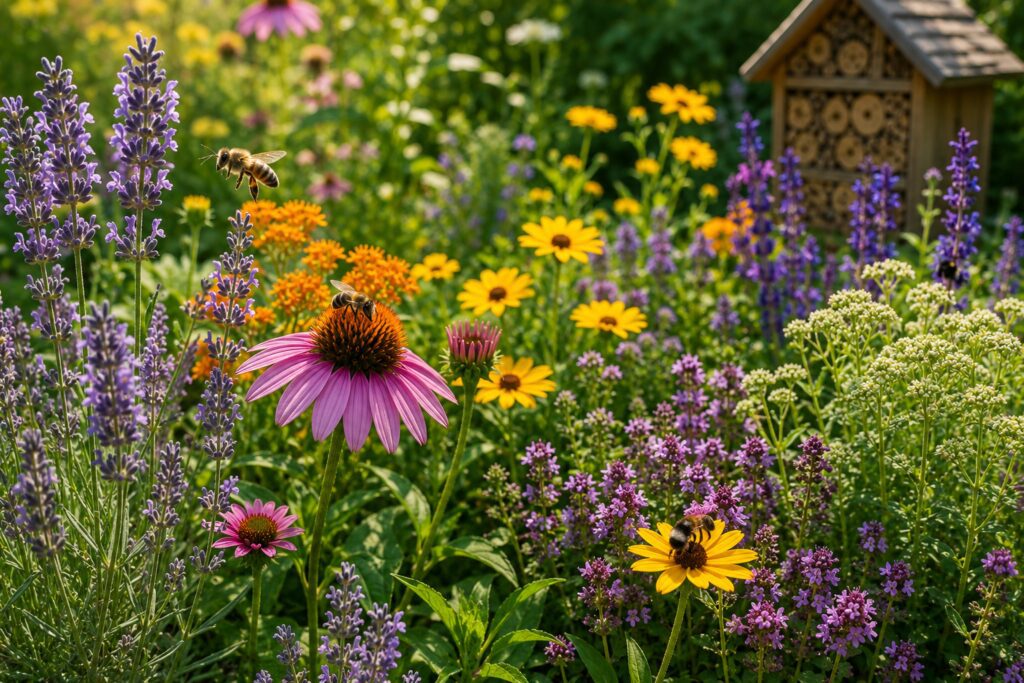
Watching bees gently move between flowers became one of the most relaxing parts of my mornings. One thing I learned from experience is that variety matters. Different bee species prefer different flower shapes and bloom times.
By planting multiple kinds of flowers, the garden provides food throughout more seasons.
I also stopped worrying about making the garden look too perfect. A slightly wild and natural garden often supports pollinators better than an overly trimmed one.
If someone wants to help bees quickly, planting bee friendly flowers is probably the best place to start.
Avoid Excessive Weeding and Over Cleaning the Garden
This was one of the hardest habits for me to change because I used to think a clean garden was automatically a healthy garden.
I spent years removing every weed, trimming every corner, and trying to make everything look neat. But I later discovered that many flowering weeds actually help bees survive, especially during seasons when other flowers are limited.
Dandelions, clover, and wildflowers can provide important food sources for pollinators.
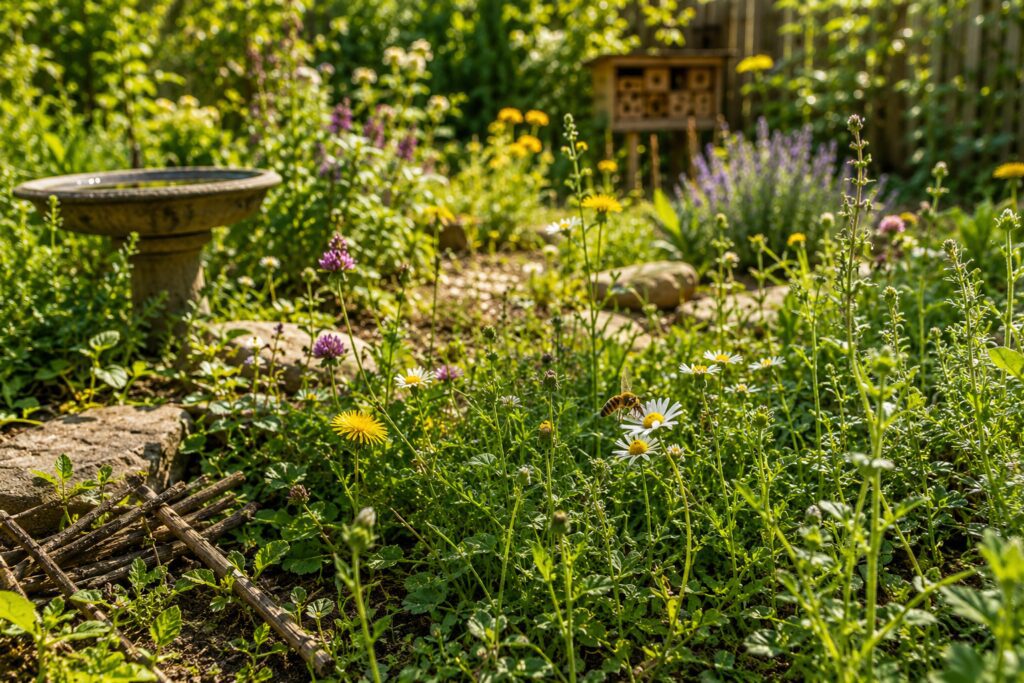
Once I stopped removing every tiny weed immediately, I noticed bees spending more time in the yard.
I also learned that leaving some natural spaces untouched can help native bees nest safely. Not all bees live in hives. Some species live underground or in small natural cavities.
Now I try to create balance instead of perfection.
I still maintain the garden, but I leave certain flowering areas alone and allow parts of the yard to stay more natural.
Interestingly, the garden started feeling more alive after I stopped trying to control every detail. Butterflies, bees, and even birds appeared more often.
Sometimes helping nature simply means giving it a little room to breathe.
Avoid Harmful Chemicals and Pesticides
This is probably one of the most important lessons I learned. Many pesticides and chemical sprays that are commonly used in gardens can seriously harm bees.
Even products labeled as safe can sometimes affect pollinators indirectly.
Years ago, I used chemical sprays without thinking twice. I only cared about removing pests quickly. But after learning how sensitive bees are to these substances, I started changing my approach completely.
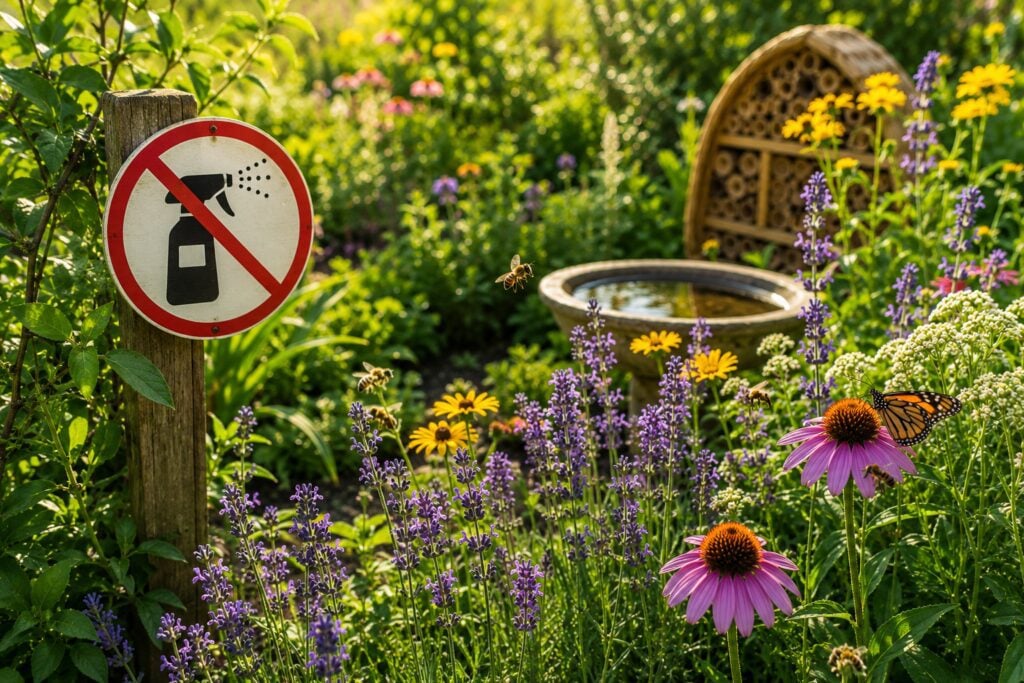
Instead of harsh chemicals, I began using natural gardening methods.
I introduced companion planting, improved soil health, and used homemade remedies whenever possible.
For example, planting herbs like mint and basil helped reduce certain pests naturally. I also started encouraging beneficial insects like ladybugs, which help control harmful bugs without damaging pollinators.
One major difference I noticed was that the garden became more balanced over time. Instead of constantly fighting nature, I was working with it.
I also became more careful about timing. If spraying is absolutely necessary, it is safer to avoid doing it during peak bee activity hours when pollinators are visiting flowers.
Reducing chemical use does not just help bees. It creates a healthier environment for pets, children, wildlife, and people too.
Buy Raw Local Honey
At first, I never understood why people specifically recommended local honey. I thought honey was just honey.
But after talking with local sellers and learning more about beekeeping, I realized buying raw local honey helps support nearby beekeepers who actively protect bee populations.
Large commercial honey production can sometimes prioritize mass production over sustainability.
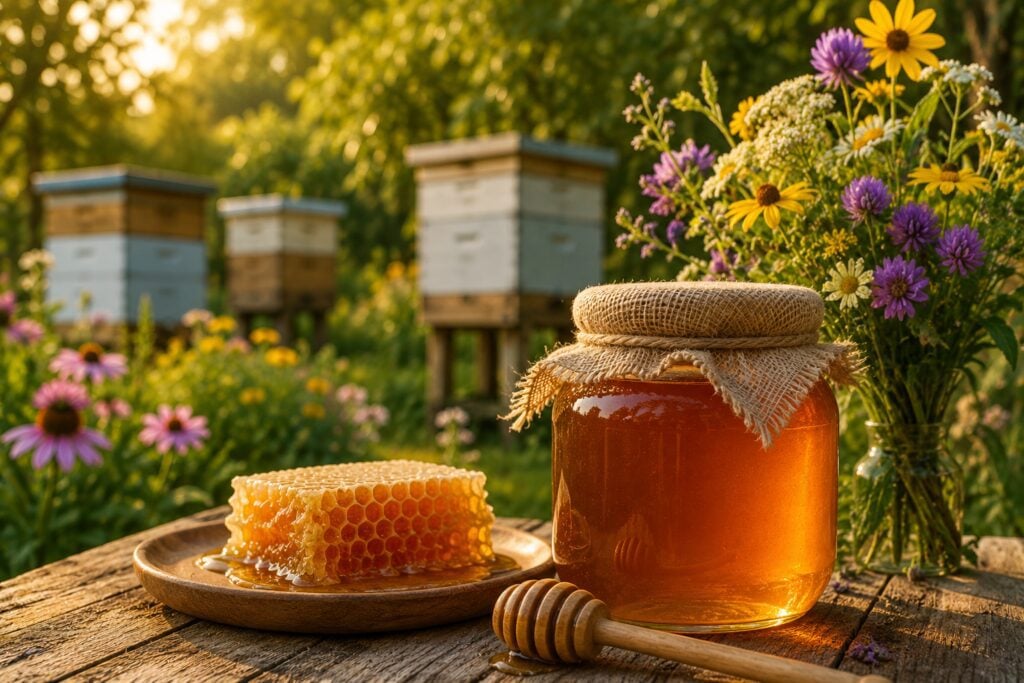
Local beekeepers, on the other hand, often care deeply about maintaining healthy bee colonies and supporting the surrounding ecosystem.
I started buying honey from small local markets instead of supermarkets whenever possible. Not only did it taste fresher and richer, but it also made me feel connected to the local community.
Many local beekeepers also educate people about pollinators and sustainable gardening.
Supporting them helps keep those important conversations alive.
Another thing I appreciate is knowing where the honey comes from. It feels more personal and meaningful compared to buying heavily processed products.
Even something as simple as choosing local honey can contribute to healthier bee populations over time.
Leave Fresh Water Outside for Bees
This was one of the simplest changes I made, yet it had a surprisingly noticeable effect.
Bees need water just like every other living creature. During hot days, they search for safe places to drink and cool down. Unfortunately, many water sources are dangerous because bees can drown easily in deep containers.
I placed a shallow bowl of fresh water outside and added small stones and pebbles inside so bees could land safely while drinking.
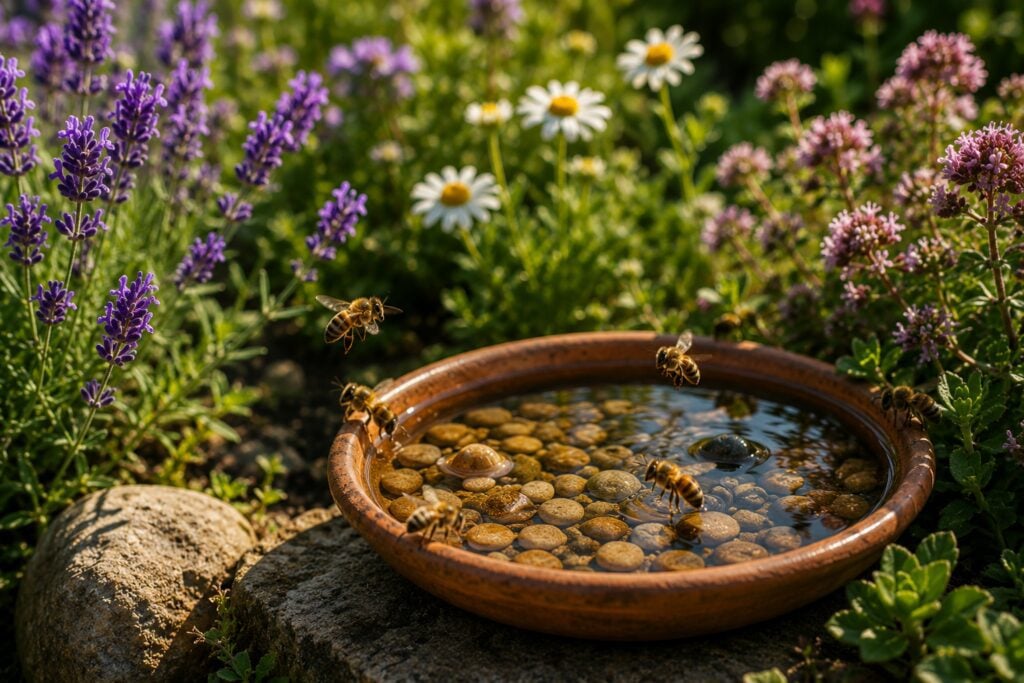
Within days, I started seeing bees visiting regularly.
What amazed me was how such a tiny effort could support wildlife so effectively. It required almost no money or time, yet it created a helpful resource for pollinators during warm weather.
I now refill the water often, especially during summer. Clean water is important because stagnant water can attract mosquitoes and become unhealthy.
Sometimes the smallest actions are the ones nature responds to most quickly.
Educate Others About the Importance of Bees
One conversation can influence more people than we realize.
The more I learned about bees, the more I naturally started sharing small tips with friends and family. I talked about pollinator friendly plants, reducing pesticides, and why bees matter to food production.
What surprised me was how many people genuinely wanted to help but simply did not know where to start.
Some people think environmental problems are too big for ordinary individuals to affect. I used to feel that way too. But education changes perspective.
When someone plants flowers for bees, avoids harmful chemicals, or teaches their children about pollinators, those actions multiply over time.
I believe awareness is one of the strongest tools we have. Social media, conversations, schools, and community gardens can all help spread positive habits.
Even children become excited when they learn how bees help strawberries, apples, and flowers grow. Once people understand the connection, they often become more mindful naturally.
Helping bees is not only about protecting insects. It is about protecting the balance of nature itself.
Small Changes Can Create a Big Impact
One thing I have learned through this experience is that environmental change does not always begin with huge projects. Sometimes it begins with planting one flower, leaving one bowl of water outside, or deciding not to spray chemicals in the garden.
I used to think helping nature required expertise or large investments. Now I know consistency matters far more than perfection.
The beautiful part is that helping bees also improves our own surroundings. Gardens become healthier, flowers bloom more vibrantly, and outdoor spaces feel more alive.
Every bee visiting a flower represents something larger. It represents balance, growth, and the quiet systems that support life all around us.