I used to think that every insect in my garden was a problem. Whenever I saw something crawling on my plants, my first instinct was to remove it immediately. But over time, I realized something surprising. Not all bugs are harmful.
In fact, some of them are actually helping my garden grow stronger.
Understanding the difference between good bugs and bad bugs completely changed how I care for my plants. Instead of trying to eliminate everything, I started working with nature. This shift made my garden healthier, more balanced, and much easier to manage.
Understanding Good Bugs vs Bad Bugs
When I first started learning about garden insects, I realized that bugs fall into two main categories. Some are beneficial insects that help protect plants, while others are pests that damage them.
Good bugs act like natural defenders. They eat harmful pests or help maintain balance in the ecosystem.
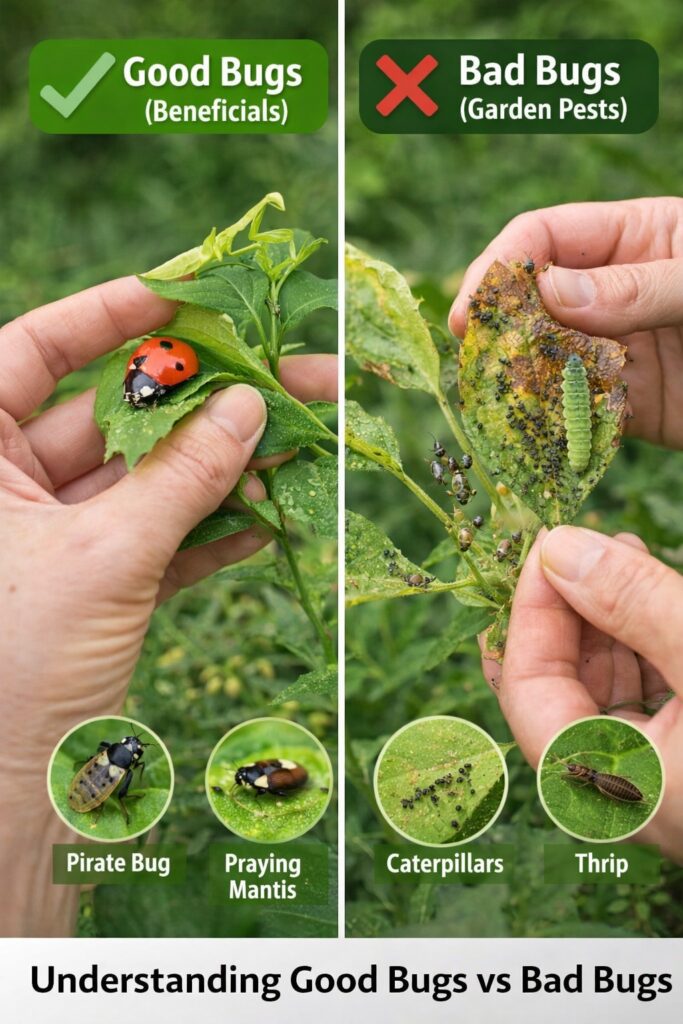
On the other hand, bad bugs feed directly on plants, weakening them and slowing their growth.
Once I understood this difference, I stopped reacting out of fear and started observing more carefully. That simple habit helped me make better decisions for my garden.
The Natural Helpers in My Garden
The first time I noticed beneficial insects working in my garden, it completely changed my perspective. These bugs are not just harmless. They are essential.
Ladybugs are one of the most helpful insects I have seen. They feed on aphids, mites, and whiteflies, which are common pests. Whenever I see ladybugs, I know my plants are being protected naturally.
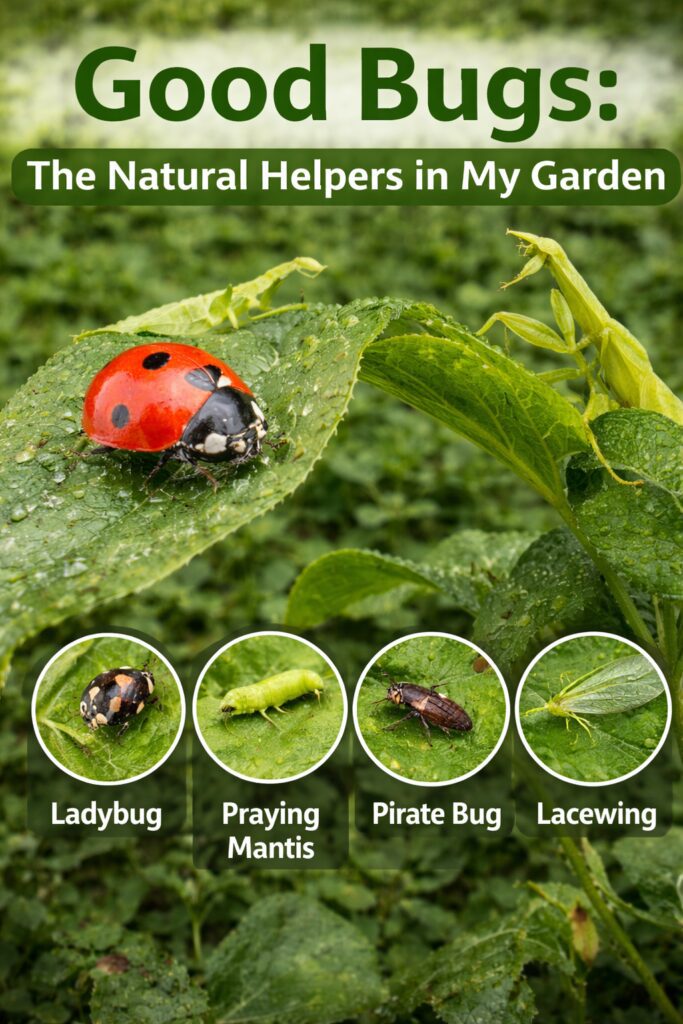
Praying mantises are another powerful ally. They are predators that hunt many types of pests. Even though they look intense, they play an important role in keeping pest populations under control.
I also learned about spider mite predators and whitefly predators. These insects specifically target harmful pests, helping prevent infestations before they get out of control.
Pirate bugs might be small, but they are incredibly effective. They feed on aphids, thrips, and mites, making them one of the most efficient natural pest controllers in my garden.
The Ones That Damage My Plants
Not all bugs are helpful, and I learned this the hard way through experience. Some insects can quickly damage plants if left unchecked.
Aphids are one of the most common pests I deal with. They suck the sap from plants, which weakens them and slows growth. When I see clusters of tiny insects on stems or leaves, I know I need to act.
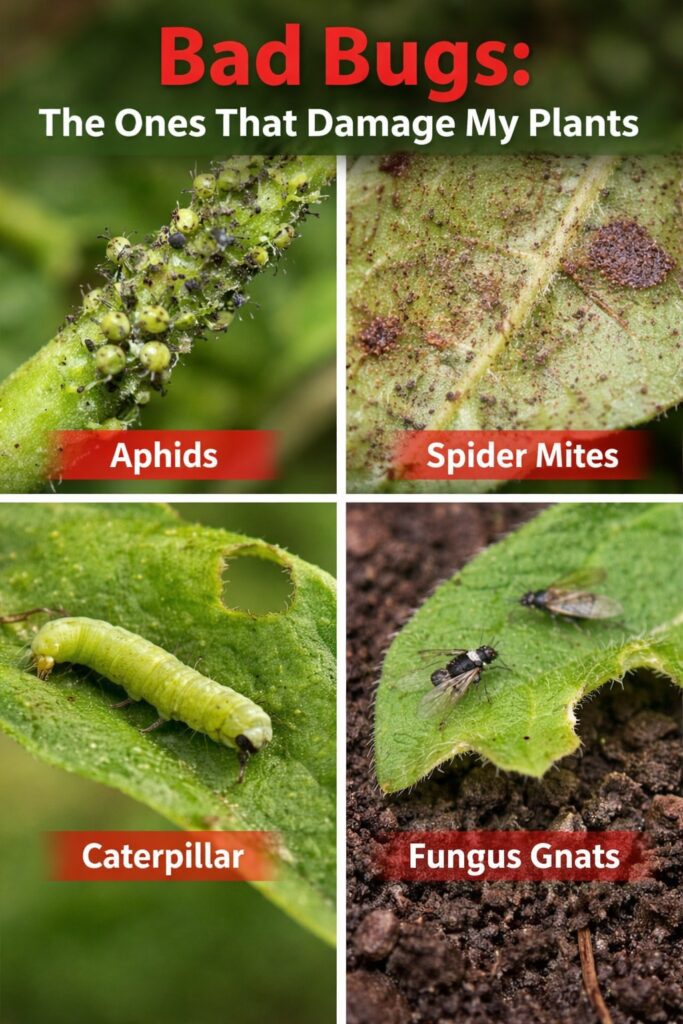
Spider mites are another problem. They are so small that they are hard to see, but their damage is noticeable. Leaves start to discolor and look stressed.
Thrips are tiny but destructive. They damage leaves, flowers, and even fruits. I noticed that plants affected by thrips often look dull and unhealthy. Fungus gnats are especially annoying when growing seedlings. Their larvae feed on roots, which can stunt plant growth.
Caterpillars and leaf miners are also common pests. Caterpillars chew through leaves quickly, while leaf miners create tunnels inside leaves, leaving visible trails.
How I Identify Good Bugs and Bad Bugs?
One of the most important skills I developed is learning how to identify insects correctly. At first, I made mistakes and removed bugs that were actually helping me.
Now, I take a closer look before doing anything. I observe how the insect behaves. If it is feeding on other bugs, it is likely beneficial. If it is feeding on my plants, it is probably a pest.
I also pay attention to patterns. For example, holes in leaves often indicate caterpillars, while sticky residue can be a sign of aphids or mealybugs.
This habit of observing before reacting has saved me from making many mistakes.
Why I Stopped Using Chemical Pesticides?
In the beginning, I relied on chemical pesticides to deal with pests. It seemed like the fastest solution. But over time, I noticed something important.
The pesticides were not only killing harmful bugs, but also the beneficial ones. This made my garden more vulnerable in the long run because I was removing the natural balance.
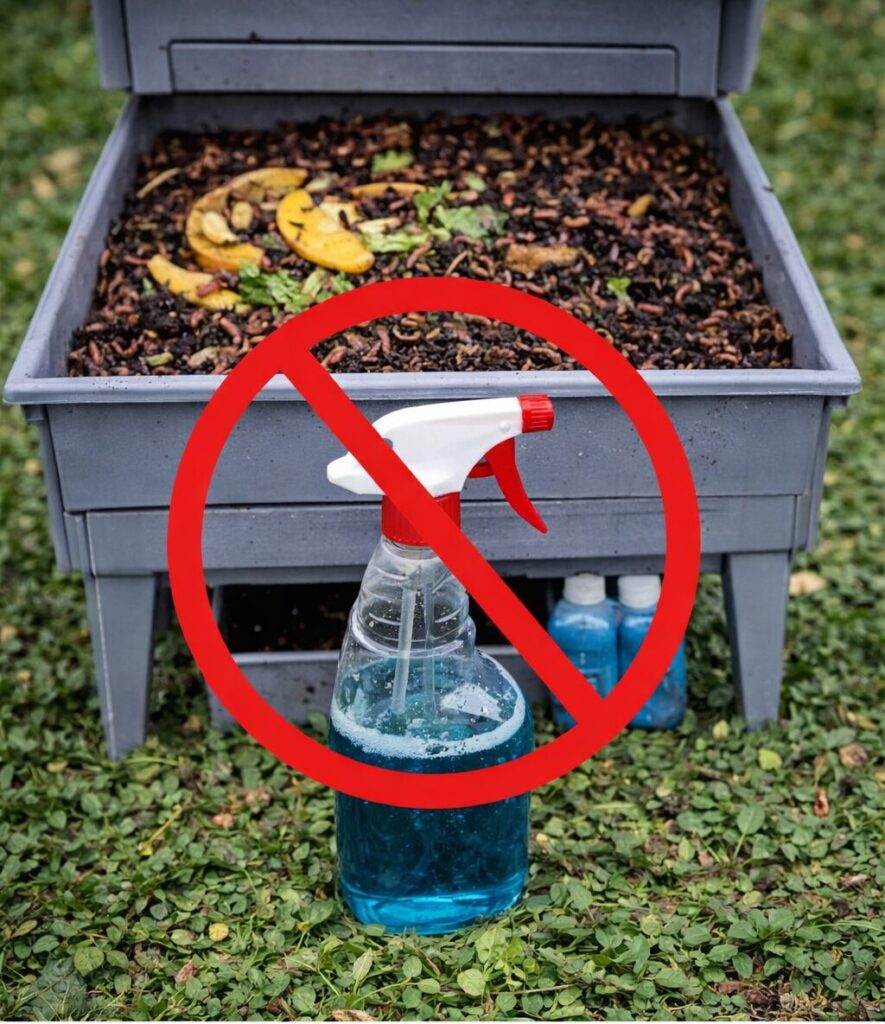
Once I stopped using chemicals and allowed beneficial insects to thrive, I saw a big improvement. The ecosystem started regulating itself, and pest problems became less severe.
How I Encourage Good Bugs to Stay?
After understanding the value of beneficial insects, I started focusing on attracting and keeping them in my garden. I planted a variety of flowers and herbs, which provide food and shelter for these insects.
Plants like marigolds, basil, and dill are especially helpful.
I also avoid disturbing the garden too much. Leaving some natural areas allows beneficial insects to live and reproduce. Water is another important factor. Even a small water source can help attract helpful insects.
How I Control Bad Bugs Naturally?
Even with beneficial insects, some pests still need to be managed. Over time, I found natural methods that work without harming the ecosystem.
For aphids, I sometimes use a strong spray of water to remove them from plants. This simple method can be very effective.
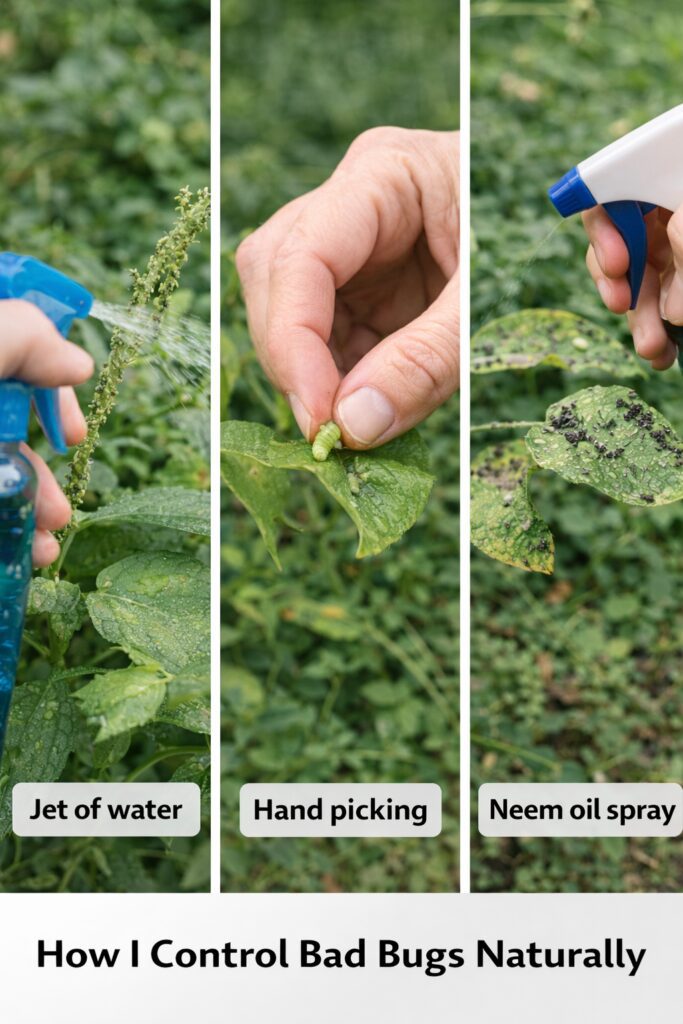
For caterpillars, I remove them by hand when I see them. It takes a bit of time, but it prevents further damage. Neem oil is another option I use occasionally. It helps control pests without causing too much harm to beneficial insects when used carefully.
The key is balance. I do not try to eliminate every pest, but I keep their population under control.
Common Mistakes I Made and What I Learned
When I first started gardening, I made several mistakes that actually made things worse. One mistake was overreacting. I tried to remove every insect I saw, which disrupted the natural balance.
Another mistake was using too many treatments at once. This stressed my plants and made it harder for beneficial insects to survive.
I also ignored early signs of pests. Waiting too long allowed infestations to grow. What I learned is to stay calm, observe carefully, and take small, targeted actions instead of drastic measures.
The Balance Between Good Bugs and Bad Bugs
One of the most important lessons I learned is that a healthy garden is not free of insects. It is balanced. Good bugs and bad bugs will always exist together.
The goal is not to eliminate pests completely, but to keep them under control.
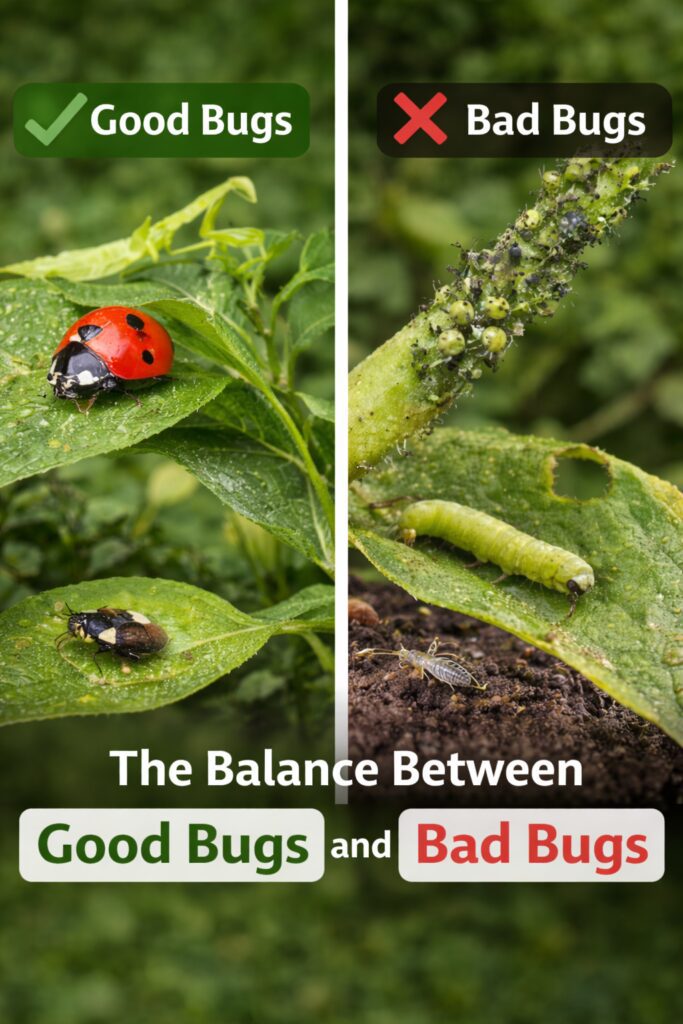
When beneficial insects are present, they naturally reduce pest populations. This creates a stable environment where plants can thrive. Understanding this balance helped me become a more confident and effective gardener.
Working with Nature Instead of Against It
Looking back, learning about good bugs vs bad bugs changed everything for me. It shifted my mindset from control to cooperation.
Instead of fighting nature, I started working with it. This made gardening more enjoyable and less stressful. Now, when I see insects in my garden, I do not panic. I observe, understand, and respond thoughtfully.
If there is one thing I would recommend, it is this. Take time to learn about the insects in your garden. Once you understand them, you will realize that many of them are actually on your side.