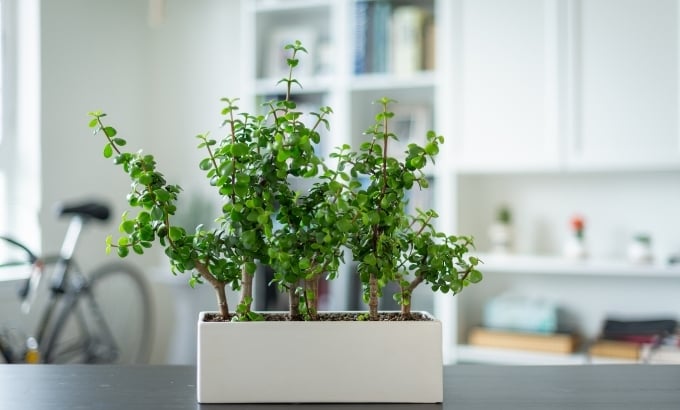
I am always interested in small gardening habits that quietly make a big difference. Over time, I have learned that plants often show problems not because they lack care, but because they lack nutrients.
One of the most surprising techniques I now use regularly is placing two nails in my plant pots.

At first, it sounded odd. Nails belong in a toolbox, not in soil. But after understanding the science behind it and seeing the results in my own plants, I realized why so many gardeners quietly rely on this method.
In this article, I will explain why I put two nails in my pots, how this trick works, which plants benefit the most, and how to do it safely.
I will also explain the limits of this method so you know when it helps and when it does not.
The Hidden Problem Many Gardeners Miss
When plants struggle, the signs often look the same.
- Yellowing leaves
- Weak growth
- Pale color
- Poor flowering
Most gardeners assume the problem is watering or sunlight. Sometimes it is. But very often, the real issue is iron deficiency, especially in container plants.
Iron is a micronutrient, meaning plants need it in small amounts. But without it, they cannot produce chlorophyll properly. Without chlorophyll, leaves lose their green color and photosynthesis slows down.
This problem is especially common in pots because nutrients wash out faster than in garden soil.
Why Iron Matters So Much to Plants?
Iron plays a critical role in plant health.
- It helps produce chlorophyll
- It supports energy transfer in cells
- It allows plants to use nitrogen efficiently
- It improves overall leaf color and strength
When iron is missing, leaves often turn yellow while veins stay green. This condition is known as iron chlorosis.
I used to see this pattern repeatedly in my potted plants, especially herbs, citrus, roses, and flowering plants.
Why I Use Nails Instead of Liquid Iron Fertilizer?
Iron supplements are widely available. I have used them before, and they work. But they also have downsides.
- They can be expensive
- Overuse can damage roots
- Liquid forms wash out quickly
- Application timing matters
Using nails offers a slow, steady alternative.
Iron nails slowly rust in moist soil. As they rust, they release small amounts of iron that plants can absorb over time. This creates a gentle and consistent supply rather than a sudden dose.
Why Two Nails Instead of One?
I tested this myself. One nail can help, but two nails provide a more stable release without overwhelming the soil. The surface area increases slightly, which improves the gradual availability of iron while still staying safe.
Using two nails also balances distribution if the pot is larger or contains multiple plants.
What Type of Nails I Use?
Not all nails are suitable.
1. Nails That Work Best
- Plain iron or steel nails
- Uncoated
- Unpainted
- Non galvanized
2. Nails I Avoid
- Stainless steel nails
- Galvanized nails
- Painted or coated nails
- Screws with chemical treatments
Stainless steel does not rust easily, which means it releases little to no iron. Galvanized nails contain zinc, which can harm plants in excess.
How I Put Nails in My Pots?
This method is simple, but placement matters.
Step by Step Method
- I choose two clean iron nails
- I push them into the soil near the edge of the pot
- I keep them away from the main stem
- I bury them fully but not too deep
- I water as usual
I never place nails directly against roots or stems.
How Long It Takes to See Results?
This is not an instant fix. In my experience, visible improvement usually appears after two to four weeks. Leaves gradually regain a deeper green color, and new growth looks stronger and healthier.
Because the release is slow, the results last longer than liquid treatments.
Plants That Benefit the Most From This Method
Not all plants respond equally. I have seen the best results with:
- Roses
- Citrus trees in pots
- Tomatoes
- Peppers
- Gardenias
- Hibiscus
- Herbs like basil and parsley
These plants tend to show iron deficiency more clearly when grown in containers.
When This Method Helps the Most?
I rely on this trick especially in these situations:
- Container gardening
- Reused potting soil
- Plants watered with alkaline water
- Pots exposed to frequent watering
- Plants showing yellow leaves with green veins
In alkaline soil, iron becomes harder for plants to absorb. Nails help provide a localized iron source near roots.
When Nails are Not Enough?
This method is helpful, but it is not a cure for every problem.
I do not rely on nails alone when:
- Soil pH is extremely high
- Plants show multiple nutrient deficiencies
- Growth problems are caused by pests or disease
- Plants are severely damaged
In these cases, soil improvement and balanced fertilization are still necessary.
Common Myths About Nails in Pots
Myth 1: Nails Harm Roots
When placed correctly, nails do not damage roots. I have repotted many plants and found healthy root systems around the nails.
Myth 2: Nails Rust Too Slowly to Matter
Rust forms steadily in moist soil. Over time, even small amounts of iron make a difference.
Myth 3: More Nails Mean Better Results
Too many nails can upset soil balance. Two is enough for most pots.
Safety and Environmental Considerations
I always think about long term soil health. Iron is a natural element, and small amounts are safe. However, I avoid using nails in:
- Very small pots
- Seed trays
- Young seedlings
Young plants need gentler conditions.
Comparison: Nails vs Other Iron Sources
Here is a clear comparison based on my experience.
| Method | Speed | Duration | Risk of Overuse | Cost |
|---|---|---|---|---|
| Iron Nails | Slow | Long lasting | Low | Very low |
| Liquid Iron | Fast | Short term | Moderate | Medium |
| Granular Fertilizer | Moderate | Medium | Moderate | Medium |
| Compost | Slow | Long term | Very low | Low |
Nails are not a replacement for good soil, but they are an excellent supplement.
Can I Reuse the Same Nails?
Yes. When I repot plants, I often reuse nails if they are not fully degraded. Even partially rusted nails still release iron. If a nail has almost disappeared, I replace it.
My Final Thoughts
Putting two nails in plant pots is one of those quiet gardening habits that does not look impressive but delivers steady results.
It supports plant health naturally, without complicated schedules or expensive products.
I have used this method for years, especially in container gardens where nutrients wash away quickly. It works best when combined with good soil, proper watering, and regular observation.
Gardening success often comes from understanding small details. This simple iron trick helped me recognize how important micronutrients are and how gently nature prefers to receive them.
If you try this method with patience and care, you may be surprised how much greener and stronger your plants become.