
Gardening can seem like an expensive hobby, but it doesn’t have to be. As someone who loves growing plants in my backyard, I’ve learned that with a little creativity, anyone can start a garden without draining their wallet.
Begin with a Simple Plan
When I first started gardening, I made the mistake of thinking I needed a large space or fancy equipment. But the truth is, starting small is the best way to save money and avoid being overwhelmed.
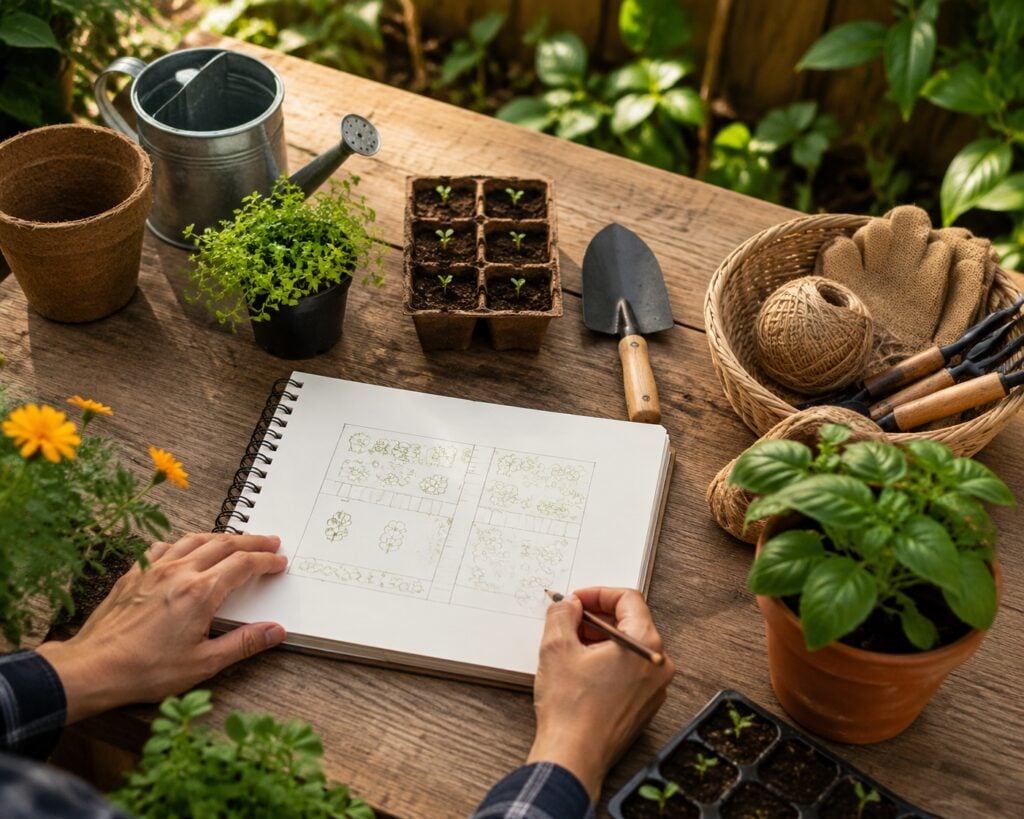
Start with a small sunken bed or a few containers. You don’t need a huge yard to grow plants; just some space to experiment and learn. If you don’t have an actual garden plot, even a small balcony or porch will do.
By keeping it small, you can gradually learn what works best for your plants and where they thrive.
Once you get the hang of it, you can expand your garden over time.
Repurpose Household Items
One of the easiest ways to save money is by reusing items you already have at home. Instead of buying expensive pots or containers, repurpose old jars, cans, or plastic bottles.
These can work just as well as store-bought planters, and you can get creative with how you use them. I even used old wine bottles to make vertical planters for herbs!
Not only will this save money, but it also gives your garden a unique, eco-friendly touch.
Swap Seeds and Plants with Others
Seed swapping is an awesome way to expand your garden without spending a dime. There are many online communities and local gardening groups where you can trade seeds or plant cuttings with others.
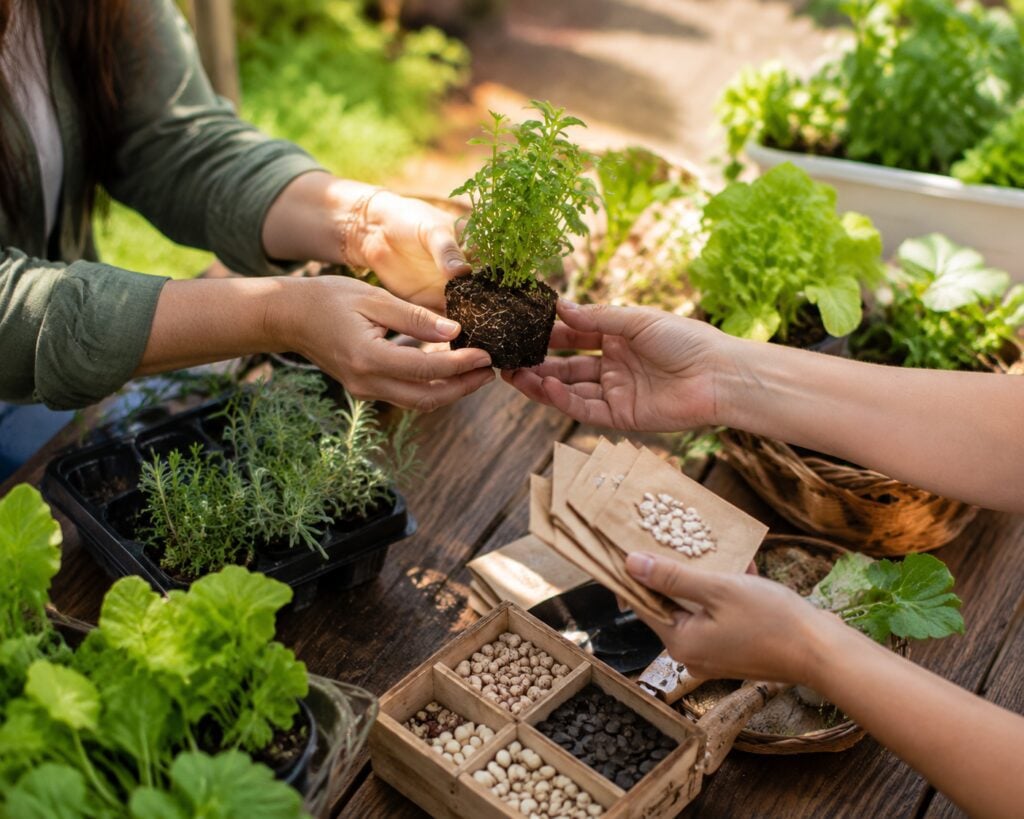
This has helped me grow a variety of plants without purchasing expensive seeds from stores. It’s a fun way to meet new people who share your passion for gardening, and it’s a win-win for both parties.
Reduce Waste and Feed Your Plants
Composting is one of the best ways to save money while improving the health of your garden. Instead of buying expensive fertilizers, you can create your own compost using food scraps and yard waste.
I started by collecting vegetable peels, coffee grounds, and yard trimmings in a simple compost bin, and in a few months, I had rich, nutrient-dense compost to use for my garden.
This not only saves money but also reduces waste going to the landfill. Plus, it’s a rewarding way to recycle what would otherwise go unused.
A Long-Term Investment
When I first started, I thought annual plants were the only option. But perennials, plants that come back year after year, have been a game-changer for me.
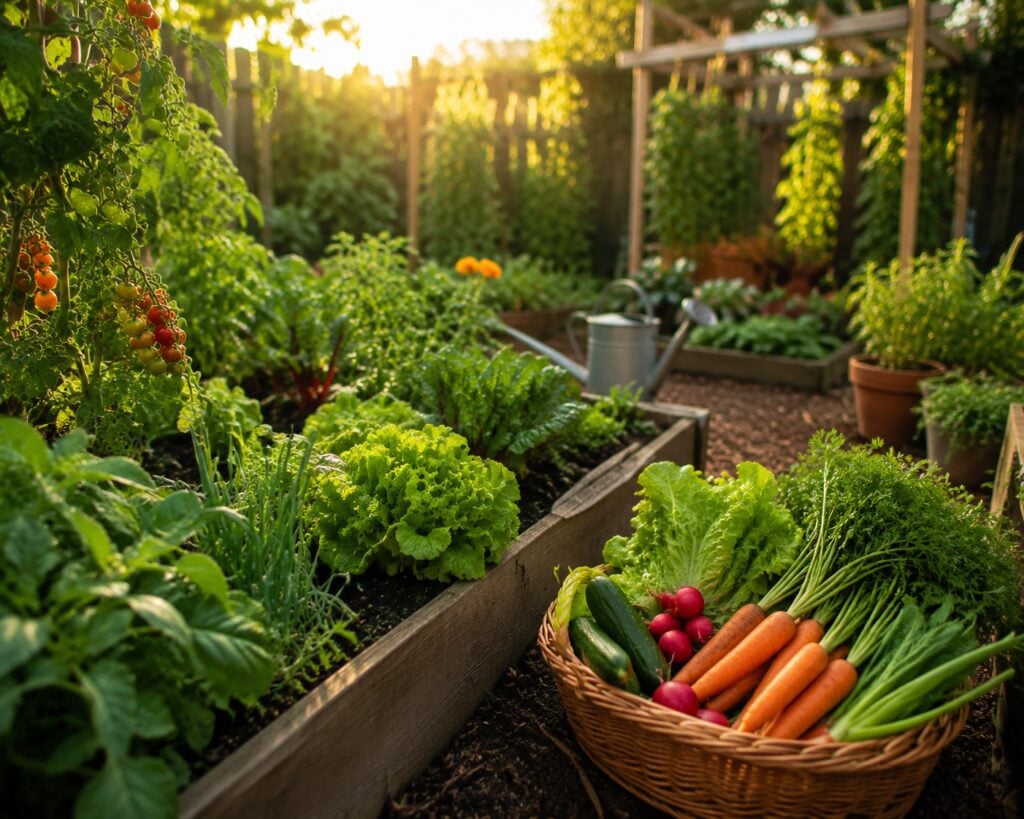
Although they might cost a little more upfront, perennials are a great long-term investment because they keep giving you new growth every season without needing to be replanted.
Some of my favorite perennials are lavender, mint, and daylilies. Not only do they save me money on new plants, but they’re low-maintenance, too.
Save Money on Transplants
One of the most cost-effective ways to start a garden is by growing your plants from seeds. While buying young plants from a nursery is convenient, it can be pricey.
Growing plants from seeds is cheaper and can be just as rewarding. I’ve had great success with growing vegetables like tomatoes, cucumbers, and peppers directly from seeds.
You can find seeds for almost any plant online or at local stores, often at a fraction of the price of transplants.
Use Mulch to Conserve Water
Mulching is another fantastic way to save money and improve the health of your plants. By adding a layer of mulch around your plants, you help retain moisture in the soil and prevent weeds from growing.
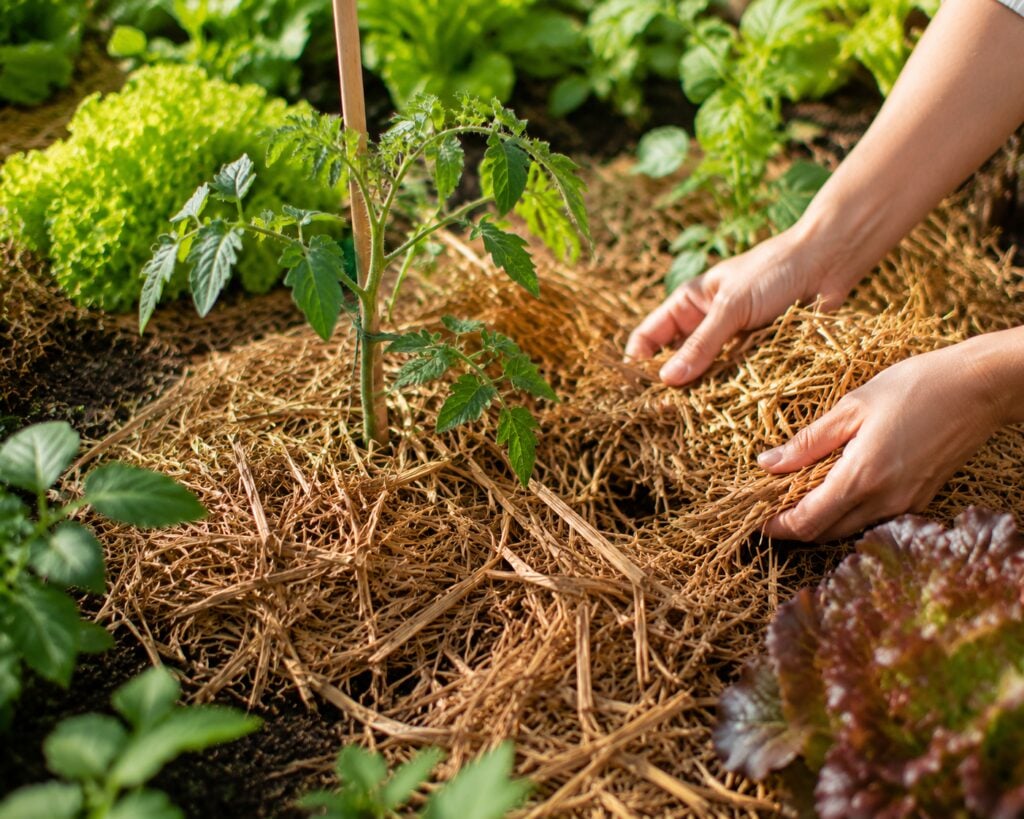
This means you won’t have to water your plants as often, which will reduce your water bill.
I’ve used everything from wood chips to grass clippings as mulch, and it’s worked wonders for conserving water while keeping my plants healthy.
DIY Projects Save Money
Trellises are often used to support climbing plants like beans, cucumbers, or tomatoes. Instead of buying expensive pre-made trellises, consider building your own with materials you have on hand.
I used scrap wood and bamboo poles to create a simple trellis that cost me next to nothing.
There are plenty of DIY tutorials online that show you how to make your own garden structures, and the process is fun and fulfilling.
Minimize Water Waste
Watering your garden efficiently is crucial, especially if you’re looking to keep costs low. Watering in the early morning, before the sun gets too hot, helps reduce water evaporation, allowing the plants to absorb moisture more effectively.
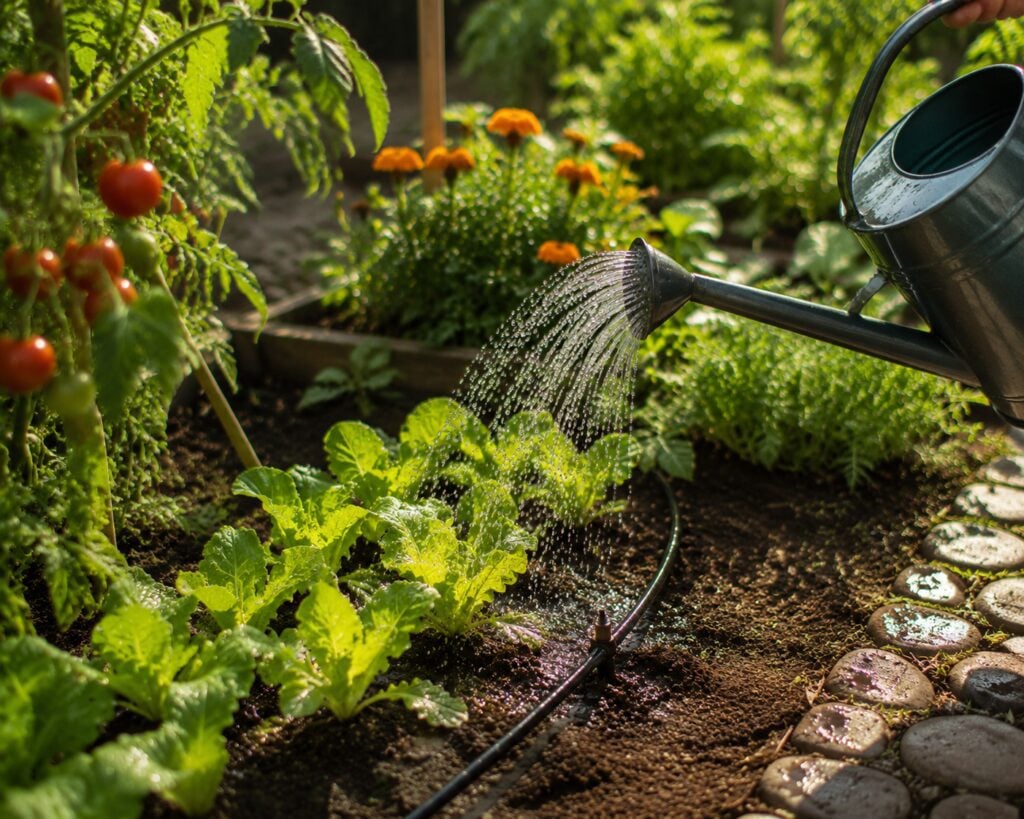
I also collect rainwater in barrels to use in my garden, which has cut down on my water costs significantly. Simple changes like these can help you conserve water and save money in the long run.
Grow More for Less
If you’re growing your own food, choosing high-yield crops is a great way to maximize your garden’s productivity. Vegetables like zucchini, tomatoes, and beans are relatively easy to grow and produce a lot of food.
I’ve found that by planting these crops, I can harvest a steady supply of produce throughout the growing season, which makes the effort of gardening even more worthwhile.
Focus on crops that are easy to grow and give you a good return for your time and effort.
Avoid Harmful Chemicals
Pesticides can be expensive and harmful to the environment. Instead of buying chemical pest control products, I use natural methods like companion planting to keep pests at bay.
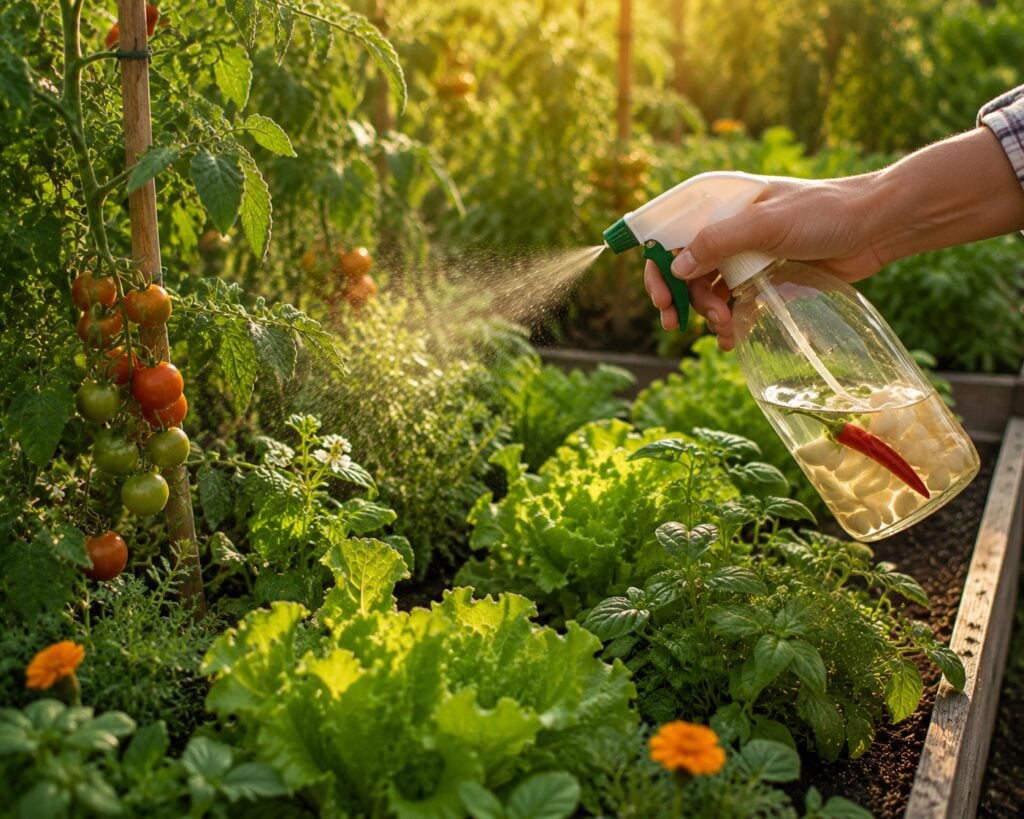
For example, I plant marigolds to deter aphids and use garlic sprays to ward off insect pests. These methods are not only more affordable but also safer for your garden’s ecosystem.
Don’t Be Afraid to Experiment
The beauty of gardening is that it’s a learning experience. Every season offers new opportunities to experiment with different plants and techniques.
I’ve made plenty of mistakes along the way (like overwatering or planting at the wrong time) but each mistake has taught me valuable lessons that I can apply in future seasons.
Don’t be afraid to try new things, and remember that every mistake is a chance to improve your gardening skills.
Starting a garden on a budget is entirely possible with the right approach.
By reusing materials, choosing cost-effective plants, and making the most of what you already have, you can create a beautiful and productive garden without spending a fortune.
It’s all about being creative and patient, and before long, you’ll be enjoying the fruits of your labor; both literally and figuratively.


