
I used to think a trellis was just a trellis. As long as my plants had something to climb on, I assumed they would grow just fine. But after one frustrating season of weak vines, tangled plants, and disappointing yields, I realized I had been making a critical mistake.
The truth is, the type of trellis you use can make or break your harvest. Different plants grow in different ways, and if your support system doesn’t match their natural growth habit, you’re setting yourself up for failure.
Why Choosing the Right Trellis Matters More Than You Think?
The first thing I discovered is that trellising isn’t just about saving space. It’s about supporting how plants naturally grow.
When plants are properly supported, they receive better sunlight exposure, improved airflow, and reduced risk of disease. Fruits grow cleaner, straighter, and are less likely to rot from sitting on the ground.
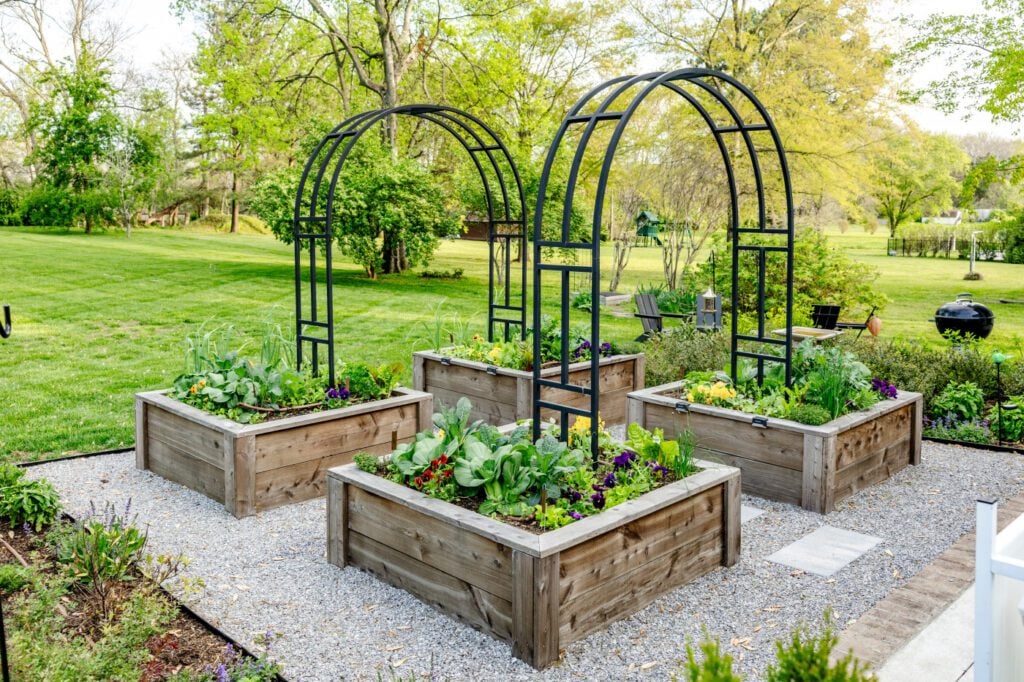
On the other hand, using the wrong trellis can cause plants to collapse under their own weight, grow unevenly, or fail to climb altogether. I’ve seen vines snap, fruits drop prematurely, and entire plants struggle simply because the structure wasn’t right.
That’s when I realized: a trellis isn’t just a support. It’s a strategy.
Perfect for Vertical Growers
When I first switched to a flat string trellis, I immediately noticed how organized my garden looked. This type of trellis uses vertical strings or lines that plants can climb straight upward.
This setup works incredibly well for plants like tomatoes, peas, and climbing beans. These crops naturally grow vertically and benefit from being guided upward in a controlled way.

I found that tomatoes especially thrive with this method. By tying them gently to strings, I was able to keep the vines upright and prevent them from sprawling all over the ground.
The biggest advantage here is space efficiency. Even in a small garden, I was able to grow more plants in a tighter area without sacrificing airflow or sunlight.
The Best Support for Medium Weight Crops
The first time I used an A frame trellis, I immediately appreciated its stability. This design creates a triangular structure, allowing plants to climb up both sides.
It’s perfect for crops that are slightly heavier but still flexible enough to climb, like cucumbers, zucchini, and small melons.
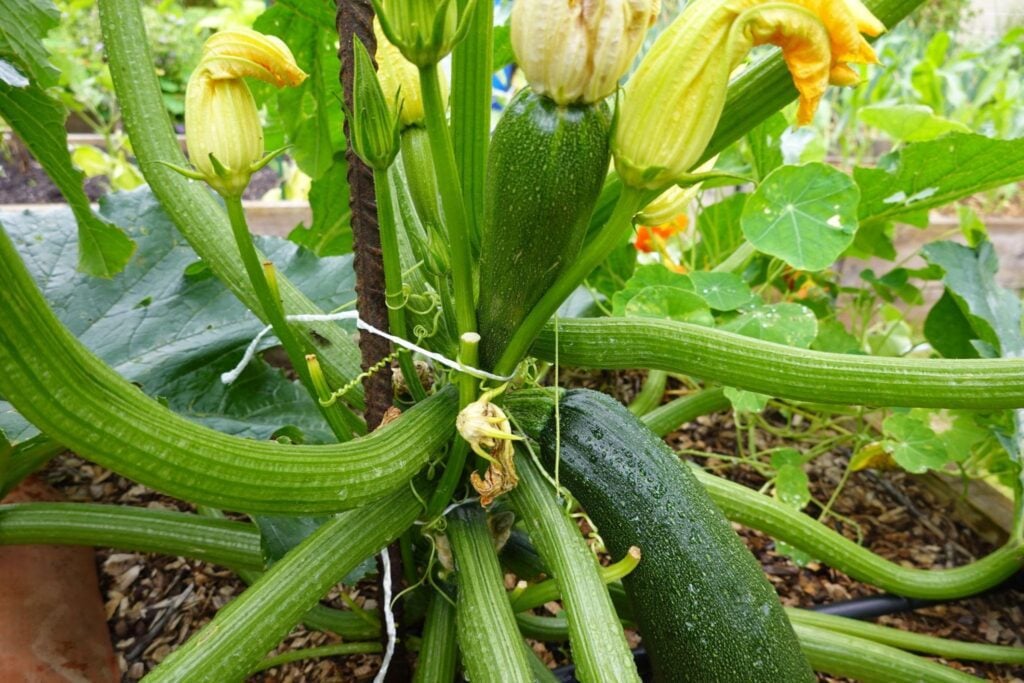
What I love about this setup is how easy it is to harvest. Fruits hang down naturally, making them easier to see and pick. It also keeps them off the soil, which helps prevent pests and rot.
In my experience, cucumbers produced significantly more when grown on an A frame trellis compared to when they were left to spread on the ground.
Turning Your Garden Into a Living Tunnel
One of my favorite additions to my garden has been the wire arch trellis. This type of trellis creates a curved structure that plants can grow over, forming a tunnel of greenery.
It’s not only functional but also visually stunning.
I use this for pole beans, sweet peas, and even flowering plants like nasturtiums. These plants climb quickly and cover the arch beautifully.
Walking through a fully grown arch covered in vines is an experience in itself. But beyond aesthetics, it’s incredibly productive. The vertical space allows for more growth, and the airflow reduces the risk of disease.
Essential for Heavy Crops
I learned the hard way that not all trellises can handle heavy crops. The first time I tried growing pumpkins on a basic structure, it collapsed under the weight.
That’s when I realized the importance of a reinforced, sturdy arch.
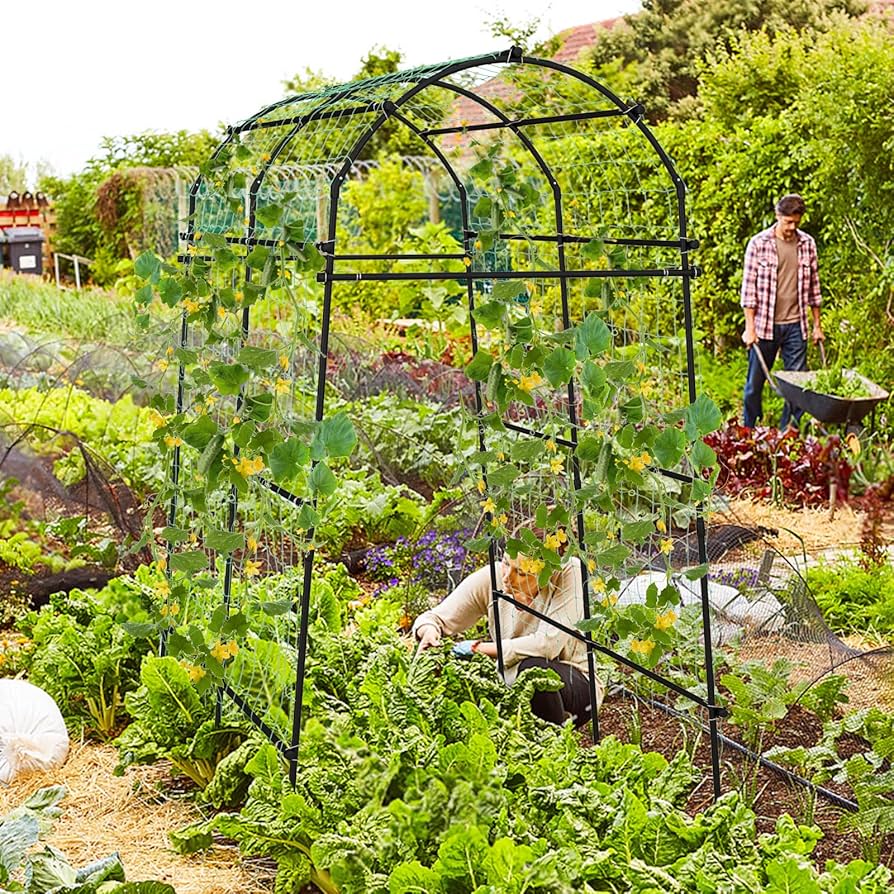
This type of trellis is built to support heavy fruits like butternut squash, watermelon, and pumpkins. It uses stronger materials and a more durable design to handle the extra load.
In my current setup, I use reinforced arches for all heavy crops. I also add slings or supports for larger fruits to prevent strain on the vines.
The result is healthier plants and better-shaped fruits, without the risk of structural failure.
Matching Crops to the Right Trellis: The Key to Success
One of the biggest lessons I’ve learned is that every plant has its own growth habit. Some plants climb straight up, others spread out, and some produce heavy fruits that require extra support.
Understanding these differences is the key to choosing the right trellis.
For example, lightweight climbers like peas need simple vertical support, while heavier plants like squash need something much stronger.
Once I started thinking this way, my garden became more efficient and productive. Instead of forcing plants to adapt to my setup, I adapted my setup to the plants.
Common Mistakes I Made (And How You Can Avoid Them)
Looking back, I made several mistakes that cost me time and harvest. The first was underestimating weight. I didn’t realize how heavy certain fruits could become, which led to broken trellises and damaged plants.
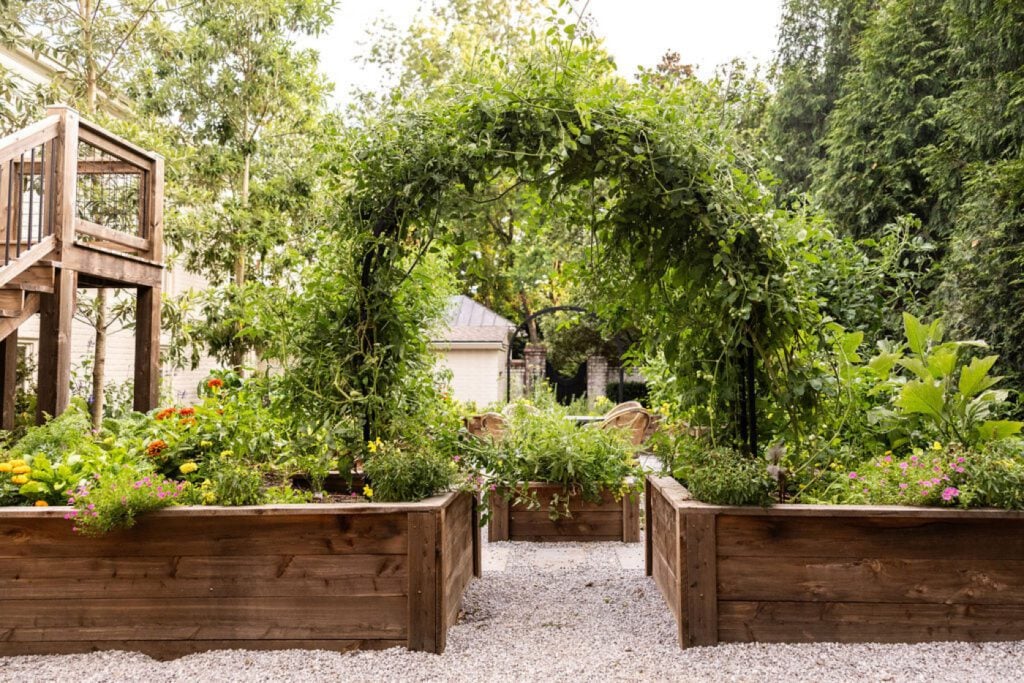
The second mistake was poor spacing. I placed trellises too close together, which restricted airflow and increased the risk of disease. Another issue was using weak materials.
Not all trellises are built the same, and investing in sturdy structures made a huge difference.
By correcting these mistakes, I saw immediate improvements in plant health and yield.
How Trellising Transformed My Garden Productivity?
Once I started using the right trellis systems, the results were undeniable. My plants grew taller, stronger, and more organized. Harvesting became easier, and I noticed a significant increase in the number of fruits produced.
More importantly, my garden became easier to manage. With plants growing vertically, I had more space to work and fewer issues with pests and diseases.
It felt like everything finally clicked into place.
Practical Tips for Setting Up Your Trellis System
From my experience, a few simple tips can make a big difference. Always install your trellis before planting or early in the growth stage. Trying to add support later can damage roots and disturb the plant.
Use durable materials, especially for heavier crops. It’s better to build something strong from the start than to fix it later.

Guide your plants gently as they grow. Don’t force them, but help them find their way onto the structure. And most importantly, observe your garden.
Every space is different, and adjusting your setup based on what you see will lead to better results.
The Right Trellis Changes Everything
If there’s one thing I’ve learned, it’s that trellising is not optional if you want a productive garden. Choosing the right trellis for each crop can dramatically improve growth, yield, and overall plant health.
It’s a simple change that delivers powerful results.
I went from struggling with messy, low-yield plants to enjoying a thriving, efficient garden. And it all started with understanding one key principle: the right support makes all the difference.


