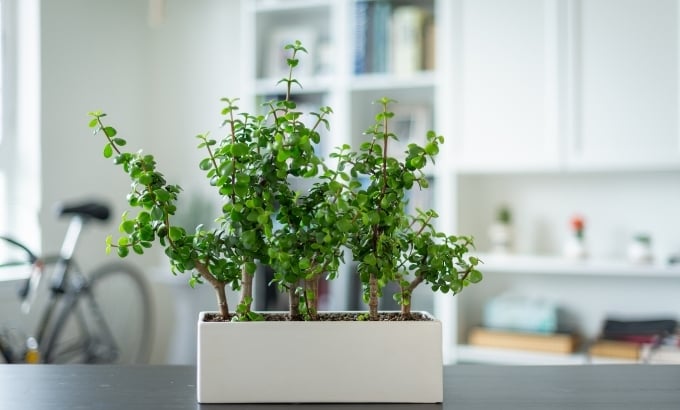
When November arrives I notice the garden sliding into its quieter phase. Many outdoor beds begin to slow down, but I still want fresh herbs available. That is why I switch simple herbs into buckets.
By using containers, I control their position, bring them in when frost threatens, and extend the harvest season. Growing herbs in buckets allows me to keep them alive and productive even as the weather cools.
Buckets also give flexibility. I move them to the sunniest spot or inside near a bright window. The result is fresh flavor, indoor greenery and less waste.
What Narrowing Down to These 10 Herbs Means to Me?
Each herb I include has to meet specific criteria: it must tolerate cool temperatures, thrive in a container, and provide benefit through winter. I chose herbs that are hardy or semi-hardy, that grow well in moderate light, and that deliver flavor, fragrance or fresh shoots in the colder months.
I want herbs I will use in the kitchen or for tea when the outside garden sleeps.

This list is not random. I picked each one because I have used them in buckets in November and seen success. I’ll share how I grow them, what I watch out for and how they reward me.
My Top 10 Herbs to Grow in Buckets This November
Below are the herbs I personally grow or plan to grow in containers this time of year. For each one I explain why I choose it, how I set it up, and my tips to make it thrive.
1. Parsley (Petroselinum crispum)
I start with parsley because it tolerates cool weather and improves in flavour as the days get shorter. I use a bucket that’s about 12-inches deep, filled with rich, moist soil. I place it in partial sun or indoors by a bright window.
I keep the soil evenly moist and avoid letting it dry out completely.
Harvest tip: I cut the outer stems first and leave the center to grow new leaves. Nutrient tip: It is a strong source of vitamins A, C and K, which helps my kitchen and wellness prep in winter.
2. Chives (Allium schoenoprasum)
Chives are unbelievably hardy. I use a 10-inch deep bucket and plant them in well-draining soil. I place them in a sunny spot—ideally a south-facing window. This herb survives frost by moving it indoors into a cool bright space if needed.
I cut occasionally to encourage fresh growth and enjoy the mild onion-flavour in soups or eggs. They also add a fresh green touch to my winter dish.
3. Thyme (Thymus vulgaris)
Thyme is one of my low-maintenance favorites. It likes cool, dry conditions and is ideal in a container. I use a 10-12-inch bucket, soil that drains well (sandy mix) and allow the top inch of soil to dry before watering. I ensure at least five hours of sunlight per day, even in November.
Because it’s evergreen in many climates I can harvest leaves year-round. I use thyme for winter teas or to flavor hearty meals, and its antibacterial reputation makes it a kitchen staple.
4. Mint (Mentha spp.)
Mint is vigorous and can take over beds, which is why I prefer to grow it in a bucket. I choose a bucket 12-14-inches deep to accommodate its spreading roots. I keep soil moist but not soggy, and place the container in bright indirect light or morning sun.
Harvest tip: I pinch back the tips often to keep it bushy and productive. I use fresh mint leaves in tea or dessert and find this container control avoids letting it dominate the garden.
5. Rosemary (Salvia rosmarinus)
Rosemary is semi-hardy and thrives in buckets as long as it gets enough sunlight. I use a 12-inch bucket filled with sandy, well-draining soil. I water sparingly because rosemary dislikes wet roots. I place it near a south-facing window or bright outdoor spot.
If temperatures drop below freezing I bring it indoors. I appreciate rosemary’s evergreen foliage and its natural fragrance, which lingers in my home over winter.
6. Cilantro (Coriandrum sativum)
Cilantro prefers cooler weather and often bolts in summer heat, making November ideal for container growth. I sow seeds directly into a 12-inch deep bucket so the tap-root has space.
I keep it in full sun and protect it from strong winds.
Harvesting tip: I pick young leaves for fresh flavor. Its mild stiffness grows into a richer taste as the temperature drops, which I find perfect for winter dishes.
7. Oregano (Origanum vulgare)
Oregano is another Mediterranean herb that does well in containers in cooler seasons. I use a 10-inch bucket with sandy soil, water sparingly and trim regularly to keep it compact. Full sun if possible helps it form strong aromas.
I harvest fresh leaves to flavor winter sauces and I value how resilient this herb is. It also adds texture and leaves that store well.
8. Sage (Salvia officinalis)
Sage loves the cool weather of late autumn and early winter, so I plant it in buckets in November. I pick a 12-inch bucket with gritty, well-drained soil. I aim for full sun exposure to enhance flavor. Water when the soil’s top inch feels dry.
Harvest tip: I use its grey-green leaves in roasted winter dishes. Medicinal tip: Its cleansing and antimicrobial properties give it dual use in the kitchen and garden.
9. Dill (Anethum graveolens)
Dill grows quickly, prefers cool temperatures and is great for November buckets. I choose a deep bucket of at least 12-inches and plant seeds directly instead of transplanting. I keep soil moist and position the container in full sun.
I pick young fronds for tea or garnish and save seeds for next spring. I love how fast dill grows even when other garden plants slow down.
10. Lemon Balm (Melissa officinalis)
Lemon balm is hardy, aromatic and thrives in a bucket this late in the year. I use a 10-12-inch bucket filled with rich loamy soil. I keep it in partial sun so leaves don’t scorch indoors. I prune it regularly to encourage new shoots.
I use its leaves in tea for stress relief, digestion and a bright lemony flavor. It brings freshness inside when outdoor plants have quieted.
How I Care for My Herb Buckets in November?
Even though these herbs are resilient, November does require some extra care when grown in buckets. I follow these practices to keep them healthy and productive.
1. Move the Buckets if Needed
I monitor the weather and move buckets to the sunniest spot or indoors if a frost is forecast. Sometimes I shift them onto a sunny porch or inside near a bright window. These moves help protect the roots and encourage continuous growth.
2. Water Wisely
Herbs in buckets dry out faster than ground soil, yet at the same time I am careful not to water so much that roots sit in cold, wet soil. My rule is to water when the top inch of soil feels dry.
Consistent moisture without waterlogging makes a big difference.
3. Add Mulch
I often place a thin layer of straw, fallen leaves or coco coir over the soil surface in each bucket. This helps keep roots warm and slows heat loss. It also reduces the need for extra watering during cold nights.
4. Harvest Gently
I always avoid removing more than one-third of the plant at any time. This ensures the herb has enough foliage left to recover and grow. I pick leaves or stems selectively and often trim rather than pull the plant out.
5. Fertilize Lightly
Since growth slows in late autumn I use a diluted organic fertilizer or compost tea once a month. I avoid heavy feeding. My aim is to support steady growth rather than push for large harvests.
Best Indoor Conditions for Winter Herb Buckets
If I bring the buckets indoors for winter I try to replicate good outdoor conditions as closely as possible.
- Light: I aim for 6 to 8 hours of bright light each day, either from a south-facing window or a grow light.
- Temperature: I keep the space between 60 and 70 degrees Fahrenheit (around 15-21°C).
- Air circulation: I avoid placing the containers next to direct heat sources like radiators or cold drafts from windows.
- Rotation: I turn the bucket weekly so the plant grows evenly and does not lean toward the light.
- Cleanliness: I remove any dead leaves and keep the surface tidy so indoor pests or fungus do not develop.
These steps help maximize the herbs’ health and make it possible to harvest fresh leaves through winter.
Why Late Autumn Bucket Planting Works?
Planting or maintaining herbs in buckets during November works because many of these herbs are naturally hardy, respond well to cooler temperatures or slow growth, and benefit from consistent care in a controlled environment.
By moving them into containers I can manage their conditions more easily than in open beds. I also get the benefit of having fresh herbs inside while the rest of the garden rests.
This approach gives my kitchen access to fresh flavors and my home a bit of green life during cold months. It fulfils the dual role of utility and comfort.
Common Mistakes I Avoid
In my experience the main mistakes to avoid are:
- Using large, heavy containers that hold too much cold soil mass—smallish buckets warm faster.
- Overwatering or letting the container sit in cold standing water—this leads to root rot.
- Ignoring light levels and keeping the bucket in a dark corner—indoor herbs still need bright light.
- Harvesting too aggressively—removing too much foliage causes stress.
- Forgetting rotation and air movement—plants lean or become weak if left in one spot.
By watching out for these issues I keep the herbs healthy and productive.
Growing Herbs in Buckets This November
Growing herbs in buckets during November is one of my most satisfying gardening practices. It keeps me connected to fresh flavours, healthy routines and indoor greenery even when the garden slows.
I choose herbs that tolerate cooler conditions, fit containers well and give value in the kitchen or as herbal remedies. With consistent care, I harvest fresh leaves, enjoy aromatic teas and brighten indoor spaces.
If you are looking to extend your herb growing into late autumn and winter I encourage you to try this method. It works for me, and it can work for you too.