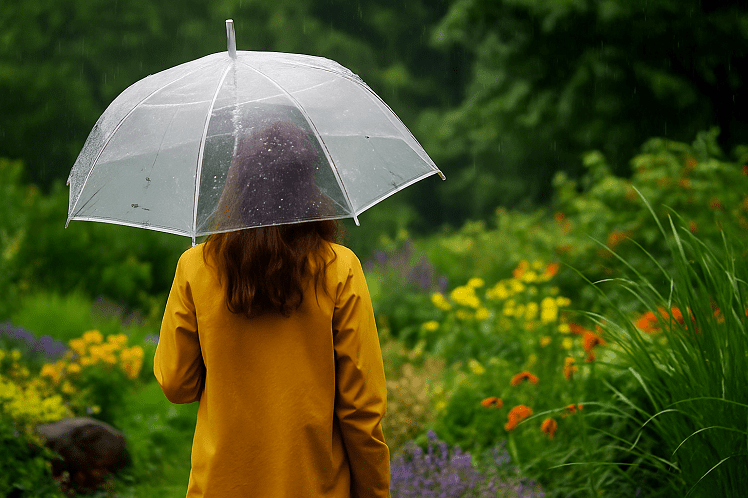
I’ve always loved having plants around me. Whether it’s a few houseplants or a garden full of blooms, they make my home feel alive. But it turns out, there’s more to it than aesthetics.
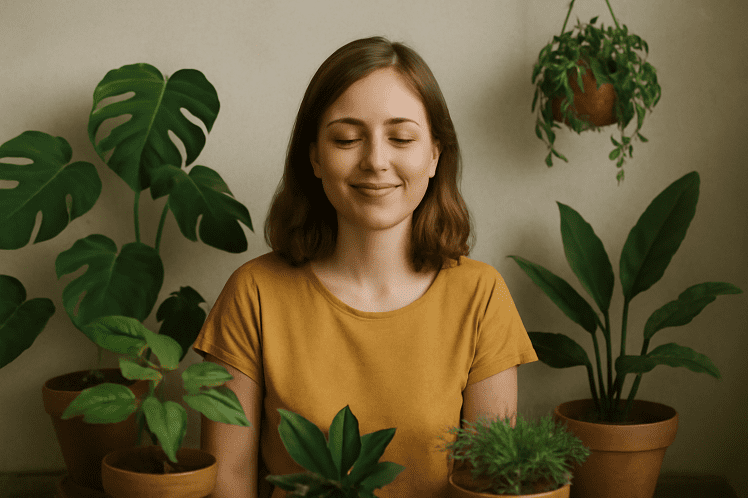
Scientific studies show that women who surround themselves with plants—either inside their homes or in their neighborhoods—tend to live longer and enjoy better mental health. I found this surprising, but the data is compelling.
The Study That Changed My Perspective
One landmark study from Harvard’s T.H. Chan School of Public Health and Brigham and Women’s Hospital tracked over 108,000 women in the U.S. for more than eight years.

The researchers used satellite imagery to assess how much vegetation surrounded each participant’s home—and then compared that with how long the women lived and their causes of death.
- 12% lower overall death rate for women living in greener areas.
- 34% lower risk of death from respiratory disease.
- 13% lower cancer mortality.
- 41% reduction in deaths due to kidney disease.
These numbers grabbed my attention. I realized it wasn’t just about loving greenery—it might actually improve my odds of a longer life.
Why Greenery Matters for Longevity
1. Stress and Mental Health
Plants have a real calming effect. Research consistently shows that exposure to greenery lowers cortisol levels—our stress hormone. I’ve noticed that even just a few minutes beside my plants helps me feel calmer, more grounded.
It’s not just my experience: Women in greener areas reported significantly lower rates of depression and anxiety.
The researchers estimated that nearly 30% of the lifespan benefit was due to improved mental health.
2. Cleaner Air
Indoor air can be surprisingly polluted. Formaldehyde, benzene, and other toxins often lurk where we live and work. Plants naturally absorb these pollutants and release oxygen.
By keeping plants near me—especially in living spaces and bedrooms—I know I’m breathing slightly cleaner air, which supports my respiratory and overall health.
3. Immune Support & Physical Activity
Plants help on two fronts: they emit phytoncides—plant-released compounds that boost immune function—and they invite me to move.
Tending to a garden, watering plants, or even choosing to walk outdoors in green areas adds gentle physical activity and supports health.
I once read that combining those daily moments with plants is one of the quietest ways to build resilience.
4. Improved Focus & Creativity
I work from home much of the week. When I’m seated at my desk surrounded by greenery, I notice I work more efficiently.
My focus sharpens, tasks feel less daunting, and creative ideas come more naturally. According to studies, plants reduce mental fatigue and boost concentration.
5. Better Sleep and Hormone Balance
Some plants—like lavender and jasmine—have a natural calming scent that helps improve sleep.
Quality sleep is essential for hormone regulation and overall health, so these subtle additions to my bedroom decor have made a surprisingly meaningful impact.
What These Findings Mean for Me—and You…

From a personal standpoint, these insights encouraged me to integrate more greenery into my life—in more meaningful ways than before.
- I added fragrant herb pots near my bedside.
- Moved my work area near the window to overlook my garden.
- Started planting pollinator-friendly shrubs locally.
- Made regular walks in tree-lined areas a habit.
For anyone else—your space, time, or level of green access don’t matter. Even a few pots on a windowsill can make a difference.
Simple Steps to Add Life—and Health—to Your Space
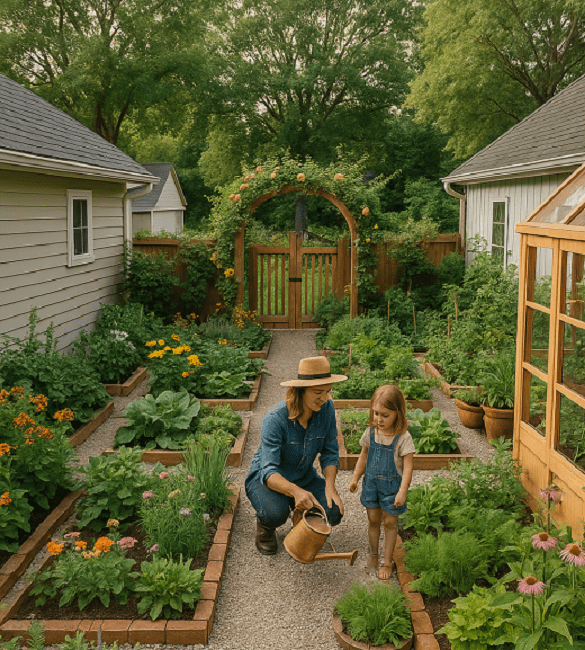
If you’re wondering where to begin, here are practical ideas grounded in research and personal experience:
- Start small indoors. Begin with plants that are easy to maintain, like spider plants, aloe vera, or pothos. These are air-purifying choices and very forgiving, even if you forget to water occasionally.
- Include scent-based plants. Lavender, jasmine, or rosemary not only add greenery but also bring natural aromas that help calm the mind, reduce stress, and even improve sleep quality.
- Choose low-maintenance options. If your schedule is busy, succulents, ZZ plants, or snake plants are great. They require little attention but still give you the benefits of greenery.
- Make greenery social. Visit public parks, join community gardens, or add plants to shared office spaces. The combination of nature and social interaction doubles the benefits for mental health.
- Practice green self-care. Use gardening or watering time as a mindful break. Put away your phone, notice the textures of the leaves, the soil, and how the plants respond. This small ritual can reduce anxiety and increase focus.
- Use vertical and balcony spaces. If you don’t have a large yard, hanging planters, wall-mounted pots, or balcony boxes can still bring plenty of greenery into your living area. Even small spaces can transform into calming green corners.
- Add variety over time. Mix flowering plants with leafy greens, herbs, and shrubs. Diversity not only makes your space visually appealing but also ensures multiple health benefits—from air purification to pollinator attraction.
- Connect plants to routines.Place herbs in the kitchen where you cook, calming plants like lavender near your bed, and stimulating greenery like mint in your workspace. This way, you interact with plants naturally throughout the day.
A Thought to Hold Onto
The Harvard study and others aren’t telling us plants are a magic cure—but they do show that living alongside greenery is part of a broader puzzle for longer, healthier, happier life.
As someone who’s experienced the gentle comfort they bring, I’m convinced the data is right.
So if you’re looking to add years to your life, start with what’s growing around you. Nurture a plant, a patch of soil, or a walk in green spaces—and you may just be nurturing yourself, too.