I used to believe every “gardening hack” I saw online, especially when it came to growing sweeter strawberries. Baking soda, cinnamon, even piling random stuff onto the soil, I tried it all.
And honestly, my results were… average at best. The berries looked fine, but the taste? Not that rich, juicy sweetness I was chasing.
That changed when I started focusing less on viral tips and more on what actually works according to science and real experience. Once I made that shift, everything improved.
My strawberries became noticeably sweeter, healthier, and more consistent. If you’re trying to grow better berries, here’s exactly what I learned, broken down in a simple and practical way.
The Biggest Strawberry Myths I Used to Believe
Before I figured out what actually works, I spent a lot of time experimenting with popular tips that sounded convincing but didn’t deliver real results. Most of these myths are everywhere online, repeated so often that they start to feel like facts.
I’ve personally tested many of them in my own garden, hoping for sweeter, bigger berries. But instead of improvement, I often ended up confused or disappointed. These are the ones that taught me the biggest lessons.
1. Baking Soda Makes Strawberries Sweeter
At first, this sounded like a genius shortcut. I thought adjusting soil chemistry quickly would somehow translate into sweeter fruit without much effort. Like many beginners, I assumed small tweaks like this could make a big difference overnight.
In reality, it doesn’t work that way.
What it actually does is add sodium to the soil, which strawberries do not like. It can even stress the plant if overused. Sweetness in strawberries comes from proper photosynthesis, not random pH manipulation.
My takeaway: Skip it completely. It’s not helping your berries.
2. Epsom Salt for Bigger Berries
This is one of those tips that feels scientific enough to be believable. Magnesium is important for plants, so adding more should help, right? That’s exactly what I thought when I tried it.
But gardening doesn’t work like that.
Epsom salt only helps if your soil is deficient in magnesium. Most soils already have enough. Adding more doesn’t automatically translate into bigger fruit.
When I used it without testing my soil, I saw no difference at all.
My tip: Only use Epsom salt if you know your soil actually needs it.
3. Cinnamon Powder on Soil
Natural solutions always sound appealing, especially when they’re simple and already in your kitchen. Cinnamon is often recommended as a natural antifungal, so I figured it would protect my plants and improve their health.
But the reality is less impressive.
Most grocery store cinnamon doesn’t have strong enough properties to make a real difference in the garden. Lab-grade extracts might work, but what we use at home is mostly ineffective.
My experience: It made me feel like I was doing something helpful, but it didn’t change anything.
4. Coffee Grounds Piled on Roots
I used to think I was being resourceful by reusing coffee grounds directly in the garden. It felt sustainable and beneficial at the same time. Many people claim it boosts soil acidity and improves plant growth.
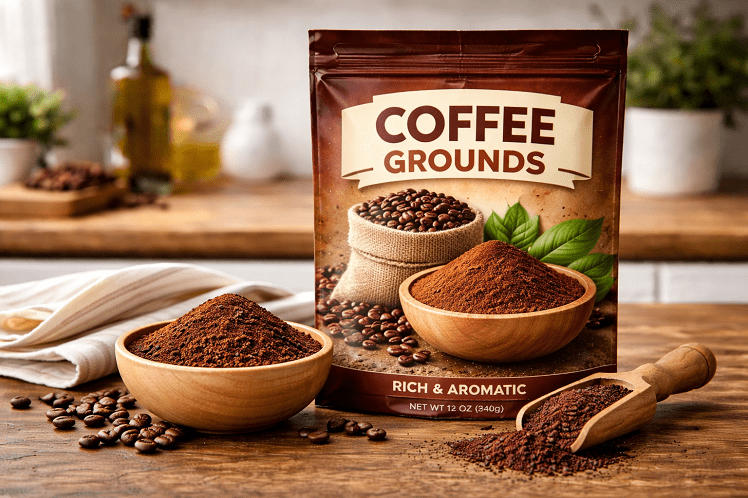
But how you use it matters more than the ingredient itself.
Fresh grounds can compact, block water flow, and create a barrier that roots don’t like. Also, their pH is nearly neutral after brewing, so they don’t really acidify the soil as much as people think.
What I learned: Compost coffee grounds first. Never pile them directly on the roots.
5. Overwatering During Ripening
Watering feels like the safest thing you can do for plants. I used to think more water meant healthier, juicier strawberries, especially when the fruit started forming.
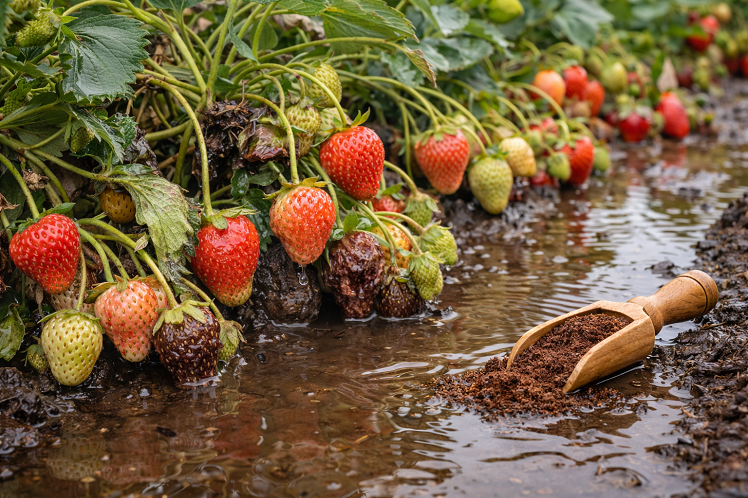
But this is where I made one of my biggest mistakes.
Too much water during ripening actually dilutes the sugars inside the fruit. Instead of sweet berries, I ended up with watery and bland ones.
Lesson learned the hard way: Water less when berries are turning red.
6. Picking Early and Ripening Indoors
I used to worry about losing my strawberries to pests or damage, so I picked them early, thinking they would finish ripening indoors. It felt like a safe and practical approach.
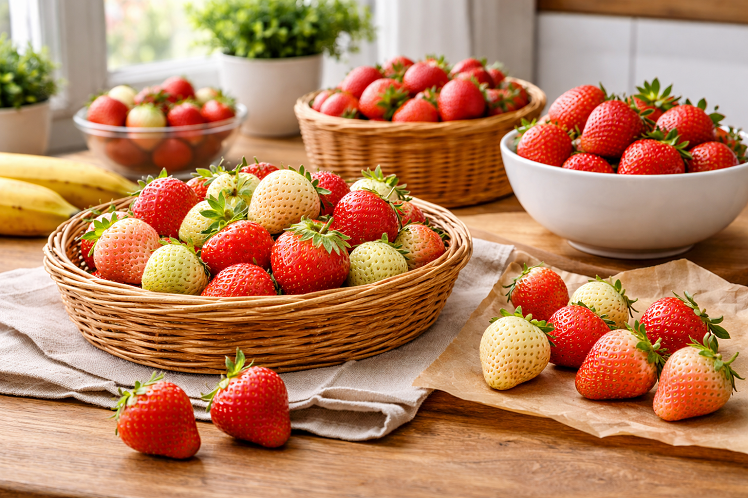
But strawberries don’t behave like other fruits.
They are non-climacteric, meaning they don’t continue to sweeten after being picked. What you harvest is what you get.
Result: They stayed sour or bland.
What Actually Works (And Changed My Results Completely)?
After all those failed experiments, I decided to simplify everything and focus on what plants actually need. Instead of chasing shortcuts, I started paying attention to natural processes like sunlight, nutrients, and timing. That shift completely changed my results.
My strawberries became sweeter, more vibrant, and far more satisfying to grow. These are the methods that truly worked for me.
1. Full Sun Is Everything
If there’s one factor that made the biggest difference in my garden, it’s sunlight. I underestimated how much strawberries rely on consistent, strong light to develop their flavor.

More sunlight means more energy for the plant.
Strawberries need at least 8 hours of direct sunlight daily. More light = more sugar production through photosynthesis. When I moved my plants to a sunnier spot, the difference was immediate.
My tip: If your strawberries taste bland, check your sunlight first before anything else.
2. Potassium at the Right Time
Feeding plants can feel confusing, especially with so many fertilizer options available. I used to apply general fertilizers without paying attention to timing or plant stages.
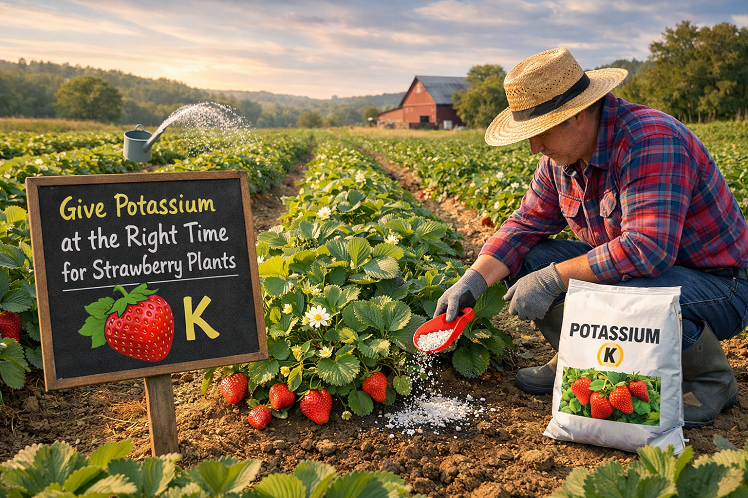
But timing is everything. Potassium plays a key role in fruit development, especially during flowering and fruiting stages. It directly impacts sweetness and quality.
Once I started feeding at the right time, I saw better results.
Result: Better flavor and healthier plants.
3. Proper Spacing (This Is Underrated)
It’s tempting to plant as many strawberries as possible in a small space. I used to do this thinking more plants meant more harvest. But overcrowding creates problems.
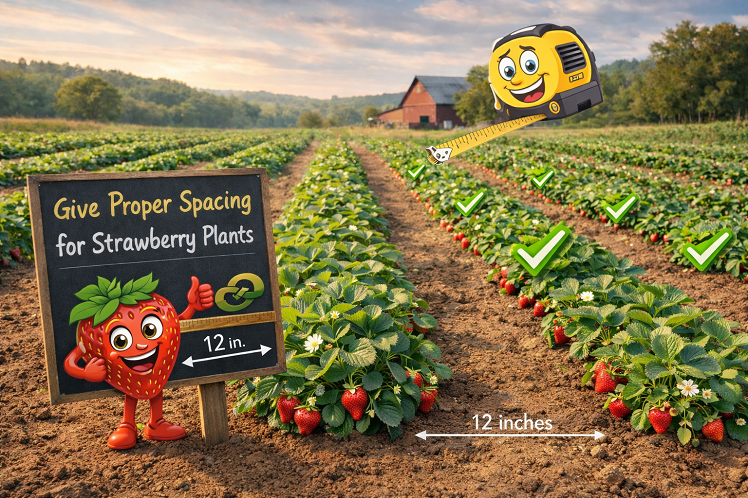
Without proper spacing, airflow is reduced, diseases spread more easily, and plants compete for nutrients and light. Now I keep about 12 inches between plants.
What I noticed:
- Fewer diseases
- Bigger, healthier berries
- Easier maintenance
4. Compost First, Always
Healthy soil is the foundation of everything in gardening. I used to focus on quick fixes instead of building soil quality over time. But compost changed that completely.
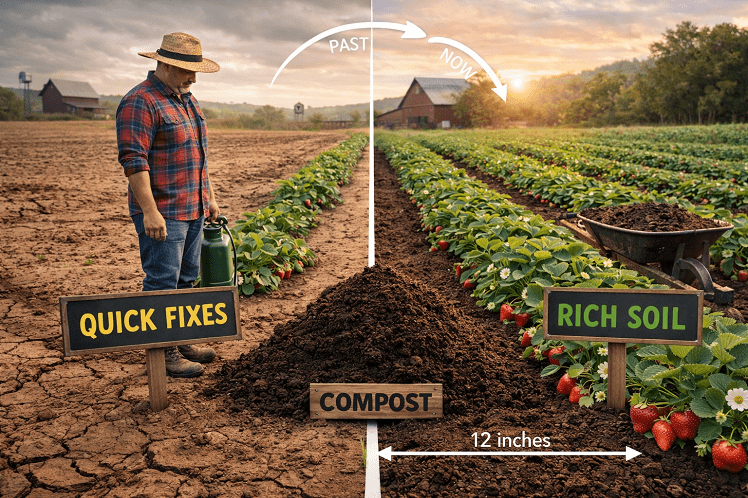
Good compost improves soil structure, supports beneficial microbes, and provides steady nutrients. It’s a long-term solution, not a quick hack.
My routine: Mix compost into the soil before planting and refresh it occasionally.
5. Ease Off Water During Ripening
Understanding when to water less is just as important as knowing when to water more. I used to follow a fixed watering routine without adjusting for plant stages. But strawberries need different care at different times.
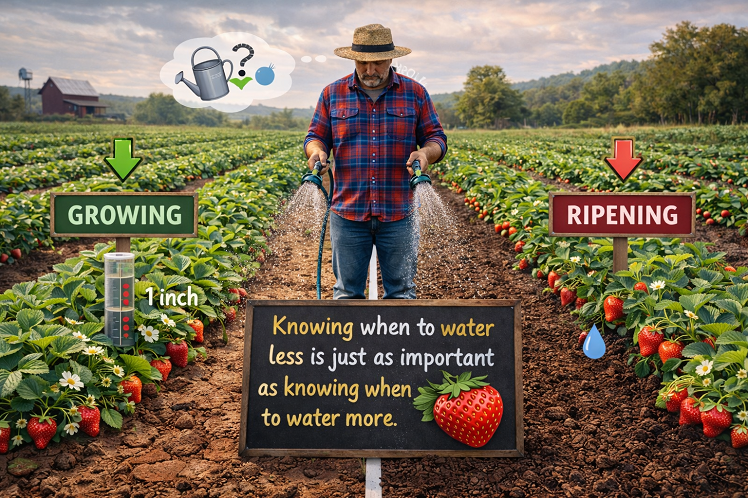
Reducing water slightly during ripening helps concentrate sugars instead of diluting them.
My personal trick:
Water deeply, but less often during the final stage.
6. Pick Fully Red, Eat the Same Day
Harvest timing is something I completely underestimated at first. I didn’t realize how much it affects flavor. The difference between slightly red and fully red is huge.
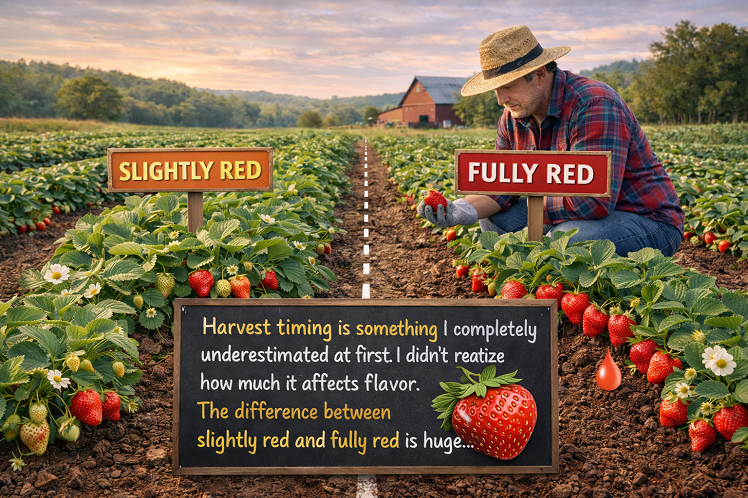
Strawberries are sweetest when they fully ripen on the plant and are eaten fresh.
My rule: If it’s not fully red, I leave it.
My Personal Strawberry Routine (Simple and Realistic)
After all the trial and error, I realized that growing sweet strawberries doesn’t need to be complicated. In fact, the simpler my routine became, the better my results were.
Instead of juggling multiple techniques, I focused on consistency and observation. This is the exact approach I follow now, and it has worked reliably every time.
- Choose the sunniest spot possible
- Prepare soil with compost, not shortcuts
- Space plants properly for airflow
- Feed potassium during flowering
- Water consistently, then reduce during ripening
- Harvest only when fully red
Why Simple Beats Viral Hacks?
It’s easy to get drawn into quick tips and shortcuts, especially when they promise fast results. I’ve been there, trying one hack after another hoping something would finally work.
But plants don’t respond to shortcuts.
They respond to consistent care, proper conditions, and patience. Once I stopped trying to force results and started supporting the plant naturally, everything improved.
Final Thoughts
If you’re struggling with strawberries that look good but taste bland, you’re not alone. I’ve experienced the same frustration and confusion.
The turning point for me was understanding that sweetness isn’t something you can hack. It’s something you grow.
Focus on sunlight, soil, spacing, feeding, and timing. These small, consistent actions make all the difference. And once you taste that first truly sweet, sun-ripened strawberry, you’ll realize it was all worth it.