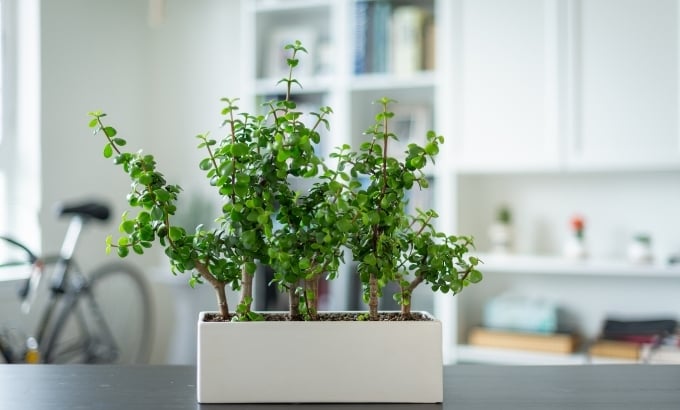
My Christmas cactus is one of my favorite houseplants because it offers lush green segments and beautiful blooms when cared for right.
Over time I learned that watering it correctly is not just about schedule—it’s about paying attention to soil, light, season, and how the plant looks and feels.

In this guide I’ll walk you through exactly how I water my Christmas cactus so it stays healthy and happy, and blooms again and again.
Why Watering Matters—But “Not Too Much” Matters More?
Unlike desert cacti, Christmas cactus is not built for drought. It comes from tropical rainforest ancestors, so it thrives on regular moisture but still hates sitting in water.
If I water carelessly (too often or without good drainage) the roots can rot, stems can go mushy, and blooms may fail.
On the other hand, if I wait too long between waterings and let the soil completely dry out, the plant can shrivel, lose plumpness, and drop leaves.
So the key is balance: moist soil, never soggy, and water only when the plant needs it.
What I Use to Decide When to Water?
I don’t follow a strict calendar. Instead, I rely on a mix of observation and feel. These are the factors I check:
- Soil moisture (with my finger).
- The weight of the pot; lighter means drier soil.
- The top inch or two of soil (if dry, it’s time).
- The season: growth periods vs bloom vs dormancy.
- Light, temperature, humidity, and pot size—these all affect how quickly soil dries.
Because every home environment is different, I treat these guidelines as flexible reference—the plant tells me when it is ready for water.
General Watering Rhythm I Follow
Here is the rough schedule I use as a baseline. I adjust it based on what I see with the plant and soil.
| Season / Period | Typical Watering Frequency* | What I Watch / Adjustments |
|---|---|---|
| Active growth (spring, early summer) | Every 1–2 weeks | Soil dries faster, more light and warmth |
| Blooming season (usually late fall to winter) | Every 1–2 weeks — when top soil feels dry | Soil moisture helps sustain flower development |
| Dormant / cool period (late winter / early spring) | Every 2–3 weeks | Plant growth slows, soil stays moist longer |
* I always confirm by checking soil moisture rather than strictly sticking to calendar dates.
I also pay attention to the plant itself: firm, plump segments that are bright green and perky tell me the watering is right. Limp, shriveled, or yellowing segments tell me I need to adjust—either water more, or water less.
The Watering Process I Use
When I water, I follow a careful method to ensure my Christmas cactus gets moisture without danger of root issues.
- Check soil dryness by inserting my finger about an inch or two down. If it feels dry, I water.
- Water thoroughly until water flows out of the drainage holes. This ensures the entire root ball gets moist, not just the surface.
- Let excess water drain fully. I remove the plant from any tray or saucer until the pot is dry. I never let the pot sit in standing water.
- Return to a bright, indirect light spot. Watering in a well-lit environment avoids soggy soil because light and warmth help moderate humidity and evaporation.
- Occasional misting during bloom or bud formation if indoor air is dry, because Christmas cactus appreciates moderate humidity (unlike desert cacti).
This process has kept my plants healthy, prevented root rot, and helped maintain leaf plumpness and vigorous growth.
When There’s Too Much or Too Little Water?
1. Too Much Water (Overwatering)
- Leaves or segments become limp, soft, or mushy.
- Yellowing or discolored segments.
- Soil stays wet even days after watering.
- Potential rotting roots or foul smell from soil; serious signs of root rot.
If I notice these, I skip watering, let the soil dry further, and consider repotting into fresh, well-draining soil if the problem persists.
2. Too Little Water (Underwatering)
- Segments look shriveled, leaf segments lose their plumpness.
- Leaves may wrinkle, fade in color, or drop.
- Plant seems dull, growth slows, buds may dry out or drop during bloom season.
When I see these signs, I water deeply and check that the soil drains well. I also ensure the environment is not overly dry (consider misting or raising humidity if needed).
Soil, Pot & Environment—They All Affect Watering
From my experience, watering habits are only part of the equation. The soil mix, pot type, light, temperature, and humidity all play a crucial role in how well the Christmas cactus responds to water.
1. Soil & Drainage
Christmas cactus prefers a well-draining, airy soil mix—something that holds some moisture but allows excess to flow through. I often mix regular potting soil with perlite or fine bark to improve drainage and prevent waterlogging.
Dense, compact soils trap moisture and lead to root rot — no matter how careful I am with watering. Proper drainage holes in the pot are essential.
2. Pot Size & Material
Smaller pots dry out faster, so watering needs increase. Larger pots hold more moisture but also more risk of soggy soil if I overwater.
I try to match pot size with plant size carefully and avoid overly large containers unless repotting is needed.
Pots must have drainage holes—I never grow my holiday cactus in containers without proper drainage.
3. Light & Temperature
Christmas cactus prefers bright, indirect light. Direct sunlight can dry the soil quickly but may also stress the plant.
Temperature also matters. These plants like moderate indoor temperatures (roughly 60–75°F / 15–24°C).
Extremes (too hot or too cold) change how fast soil dries and how often watering is needed.
4. Humidity
Because Christmas cactus originates from rainforest conditions, moderate humidity makes a big difference.
If the air indoors is very dry (especially during winter heating), I sometimes mist the plant or place a tray of water nearby to raise humidity. This helps keep leaves plump and reduces stress.
How I Adjust Watering for Blooming Season vs Dormant Period?
1. During Blooming Season
- I water more frequently: soil should stay slightly moist so the plant can sustain bud and flower development.
- I check soil moisture every few days and rarely let the soil go bone-dry.
- I make sure not to overwater—more water does not mean more flowers.
2. During Dormancy (After Bloom)
- I reduce watering frequency because the plant’s growth slows and its need for moisture decreases.
- I check soil dryness before watering, often waiting up to 2–3 weeks depending on indoor conditions.
- I maintain light humidity but avoid overwatering or letting water sit under the pot.
This seasonal adjustment helps my Christmas cactus thrive year after year; with lush segments and consistent blooming cycles.
What I Do When I Suspect Overwatering Damage?
If I see signs that I overwatered — for example limp or mushy segments, yellowing, or soggy soil; I act fast to save the plant:
- I stop watering immediately until the soil dries.
- I inspect the roots (if feasible)—soft, brown or black roots often mean rot. I gently remove the plant from its pot and rinse the soil away. If the roots are still firm and white, I leave them; otherwise I trim damaged roots.
- I repot the plant in fresh, well-draining soil and a clean pot with good drainage.
- I water lightly at first, only after the soil has dried partially.
- I keep the plant in bright, indirect light and moderate humidity, and monitor carefully for new growth or further stress.
In many cases, this saves the plant. But prevention (good soil, correct drainage, proper watering habits) remains the best cure.
How I Know My Watering Routine Works—What Healthy Christmas Cactus Looks Like
Some signs that tell me I’m doing it right:
- The segments are firm, plump, and green; not shriveled or soft.
- The plant grows new segments during growth season.
- Flower buds form and mature into vibrant blooms without dropping prematurely.
- Soil dries out evenly between watering cycles (I don’t overwater) but root health seems good.
- The plant doesn’t develop fungal spots, rot, or pests; a sign that roots and drainage are healthy.
When I see those signs, I know the balance is right: water, light, humidity, and care all in harmony.
Common Mistakes I Learned to Avoid
From my own experience and what I read from plant-care experts, these mistakes often cause Christmas cactus problems:
- Watering on a fixed schedule rather than checking soil moisture. Fixed schedules ignore environmental changes.
- Using dense, poorly draining soil or pots without drainage holes.
- Letting the plant sit in a saucer full of water, especially after watering.
- Overwatering during winter or dormant periods when plant activity is low.
- Exposing the plant to direct harsh sunlight right after watering, which can stress it.
- Ignoring environmental factors like humidity and temperature.
Avoiding these mistakes has made a big difference in how healthy my plants are; and how reliably they bloom.
Table of Watering My Christmas Cactus
| Question | My Approach |
|---|---|
| When to water? | Only when the top 1–2 inches of soil feel dry, using finger-test or pot weight. |
| How often? | Varies by season: usually every 1–2 weeks in growth/bloom time, 2–3 weeks in dormancy/winter. |
| Water method? | Water thoroughly until drainage, then let all excess drain away — never let pot sit in water. |
| Soil type? | Well-draining soil with perlite or bark — not heavy or compact. |
| Light & environment? | Bright indirect light, moderate temperature, moderate humidity. |
| What to watch for? | Limp or mushy segments (too wet); shriveled, dry segments (too dry); yellowing or rot (overwatering). |
Watering is an Act of Listening
Through years of caring for my Christmas cactus, I realized that watering is not a chore, but a conversation. Each time I touch the soil, look at the plant, or sense the humidity, I learn something.
Plants are not machines that follow rigid schedules. They respond to their environment, and as growers, we need to listen.
If you want a Christmas cactus that blooms reliably, with healthy green segments and elegant shape, start by mastering watering.
Give it what it needs; and no more. Water lightly but deeply, only when the soil reminds you it is ready. Watch your plant. Learn its rhythms.
With gentle attention and care, your Christmas cactus will reward you season after season.