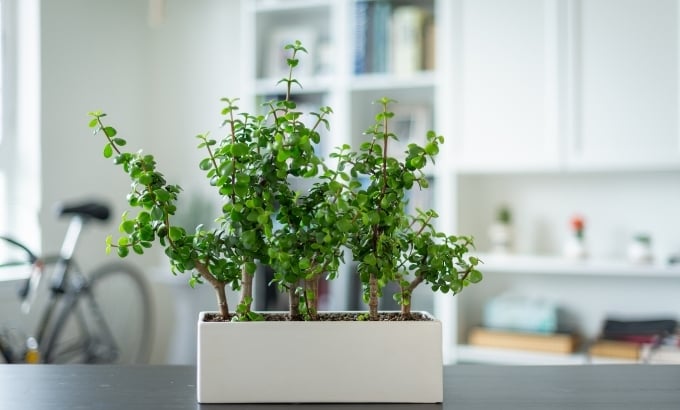
I have always believed that a home should feel alive. A bit of green, a touch of growth, a fresh scent. That is why I tried planting a lemon seed in a cup; something so simple, yet surprisingly rewarding.
With just a lemon, a cup, some soil, and light, I grew a small plant that adds life, a pleasant scent, and a little connection to nature right in my living space.

Growing a lemon this way is not just a novelty. It brings subtle mood lifts, a sense of calm, and a chance to engage in a small, meaningful gardening project.
In this guide I will walk you through exactly how I do it, what I learned, and what to watch out for if you try it yourself.
Why I Chose to Plant a Lemon in a Cup?
When I first heard about growing lemon from a seed in a cup I was skeptical. It seemed too simple. But over time I discovered several reasons why this little project is worth doing:
- Connection with nature. In daily city life I seldom touch soil or see green growth. Planting lemon seed reminds me I have a living world around me, even indoors. It becomes a small ritual of care and patience.
- Sense of freshness and calm. Lemon plants have a gentle, citrusy scent and leafy green presence. Even if the air-purifying benefits are limited (as some scientists now caution) having a plant still feels more refreshing than a bare windowsill.
- Low cost and easy to start. I don’t need a garden, large pot, or special tools. Just a cup, soil, sunlight, and a lemon from the kitchen are enough.
- A long-term project with potential reward. If you care for the plant over months or years, you might get a beautiful little citrus tree. Even if it never bears fruit, the greenery and growth give satisfaction.
Because of these reasons, planting a lemon seed in a cup has become one of my favorite small gardening projects.
What I Learned about Indoor Plants and Air Quality?
When I started, I believed that a lemon plant (or any houseplant) would significantly purify indoor air.
Many sources; including the original article I based this guide on, make that claim.
Over time I discovered that modern research offers a more nuanced view:
- A comprehensive review by researchers at Drexel University found that normal houseplants cannot clean indoor air fast enough to meaningfully improve air quality in a typical home environment. They concluded that ventilation or air-exchange is far more effective than a few potted plants.
- Another recent article echoed this: while plants can make a home more pleasant and may slightly affect humidity or mood, their effect on serious air purification is limited.
So I changed how I think about growing lemon indoors. Now I see the plant not as a powerful air purifier, but as a mood-enhancing, decorative, living element that brings joy, a touch of green, and a sense of nature; and that may slightly contribute to freshness, especially if combined with proper ventilation and cleanliness.
How I Plant a Lemon Seed in a Cup (Step by Step)?
You don’t need fancy tools or outdoor space. Here’s how I do it, and you can follow easily.
Step 1: Get a Good Lemon and Extract Seeds
- I choose a healthy, ripe lemon from the grocery store; ideally organic, to avoid chemical coatings that may hamper germination.
- I slice it carefully and take out several seeds (not all might sprout, so extras help).
- I rinse them under lukewarm water to remove traces of juice and pulp. Then I gently peel off the thin outer seed coat; this helps the seed germinate faster.
Step 2: Choose a Suitable Cup or Small Container
- I find a small cup or container at least 3–4 inches (7–10 cm) deep. It must have drainage holes; if not, I carefully make one. Good drainage is essential to avoid root rot.
- I fill the cup with a light, well-draining potting mix; preferably one suited for citrus or indoor plants. Heavy garden soil often compacts and holds too much water.
Step 3: Plant the Seeds
- I place one or two seeds about half an inch (≈ 1 cm) deep, cover lightly with soil, and gently press down.
- I water until the soil is moist but not soggy.
Step 4: Create a Mini Greenhouse (Optional but Helpful)
- To improve germination, I cover the cup with a clear plastic wrap or small plastic bag. This traps humidity and warmth; conditions seeds usually like to sprout.
- I place the cup in a warm spot with indirect but bright light; a windowsill works well.
Step 5: Wait and Monitor Germination
- Germination can take 2 to 4 weeks. During this time, I keep the soil lightly moist and check daily.
- When tiny sprouts appear, I remove the plastic cover to allow airflow and avoid mold.
How I Care for My Lemon Seedling After Germination?
Once the little plant shows leaves, it needs gentle care to thrive. Here are what I do and recommend.
1. Light
Lemon seedlings need plenty of light; ideally 6 to 8 hours a day. I place mine on a south- or east-facing windowsill.
If natural light is limited, a grow light helps keep growth steady.
2. Watering
I water when the top inch of soil feels dry to the touch. Lemon plants dislike both drought and waterlogging.
Overwatering can cause root rot, while under-watering dries them out.
3. Soil & Drainage
Good drainage is essential. I often use potting mixes amended with perlite or pumice to improve drainage.
If soil stays soggy after watering, I consider repotting into a more porous mix.
4. Fertilizing
After 6–8 weeks, I begin feeding the seedling with a diluted, balanced liquid fertilizer.
Citrus plants appreciate nutrients such as nitrogen, phosphorus, and potassium; especially as they grow.
5. Transplanting to Larger Pot
When the seedling reaches 4–6 inches (10–15 cm) tall, I move it to a larger pot (6–8 inches / 15–20 cm wide).
A larger root space encourages healthy growth. Over time I repot as needed; typically every 1–2 years when roots fill the pot.
6. Occasional Pruning and Training
If branches become leggy or uneven, I prune lightly to encourage bushier growth. I also rotate the pot every few days so the plant grows evenly toward the light.
What I Appreciate?
- Greenery and mood: The lemon plant adds a fresh touch of green and a subtle citrus aroma in my living space. I feel calmer, more connected to nature, and sometimes more focused.
- A sense of nurturing and patience: Watching a tiny seed grow into a plant (even if slowly) gives me satisfaction, a small ritual of care that’s grounding in daily life.
- Aesthetic and indoor atmosphere: The leaves, shape, and scent of citrus add charm, especially in a small apartment or office corner.
What I Learned about Air Purification Claims?
I initially believed indoor lemon plants would purify the air. I read many articles (including the one I based this guide on) that praised citrus plants for freshening indoor air and neutralizing odors.
But recent scientific reviews tell a more cautious story: houseplants alone are not effective air purifiers in a typical home setting.
A single plant, or a few, will not significantly reduce indoor air pollutants or volatile organic compounds compared to proper ventilation or air-exchange.
That does not mean I think the lemon plant is useless.
For me, its value lies in mood, aesthetics, connection to growth, and the tiny freshness it brings; not as a substitute for an air purifier or proper indoor air care.
Common Issues and How I Handle Them
| Problem | Cause | My Solution |
|---|---|---|
| Mold or fungus on soil surface | Overwatering or poor drainage | Water less, ensure drainage, repot with airy mix, remove moldy parts |
| Leggy, weak growth | Insufficient light | Move closer to light source or supplement with grow light |
| Yellowing leaves | Nutrient deficiency or poor soil | Use balanced fertilizer, improve soil drainage, ensure proper watering |
| Root rot | Waterlogging, no drainage | Check pot drainage, repot if needed, water only when soil is dry on top |
| Slow or failed germination | Old/damaged seeds, too dry soil | Use fresh seeds, keep soil moist (not soggy), maintain warmth and humidity |
I faced some of these early on, but adjusting light, soil, and watering solved most problems.
What to Expect: Growth and Patience?
Growing a lemon from seed is not a quick project. If you’re hoping for fruit, it can take several years (often between 3 to 7 years) before a tree grown from seed starts producing lemons.
Even if it never fruits, I still find value in the plant. The leaves, stems, and growth process are rewarding. I see the lemon plant not as a fruit-yield machine, but as a living companion for my space.
Tips I Wish I Knew When I Started
- Use organic or untreated lemons for seeds, to avoid growth inhibitors.
- Keep soil moist but not wet; overwatering is the most common mistake.
- Provide bright, consistent light; seedlings struggle with weak, indirect light.
- Be patient; growth takes time, but small progress matters.
- Enjoy the process, not just the result; the act of caring is as valuable.
Should You Try It? My Personal Recommendation
If you want a small, low-cost houseplant that brings a touch of nature, a bit of green, and a sense of nurturing; I wholeheartedly recommend planting a lemon seed in a cup.
You don’t need a garden or much space. It is a simple process that rewards patience and attention.
If you expect the plant to clean your air dramatically; I suggest managing expectations. For real air quality improvement, ventilation, fresh air, and proper hygiene matter more.
But if you enjoy plants for their beauty, scent, and comforting presence; then a lemon plant can add meaningful value to your home.
For me, this little project offers calm mornings when I water the tiny pot, satisfaction when little leaves emerge, and hope that, one day, I may even see a homegrown citrus fruit.