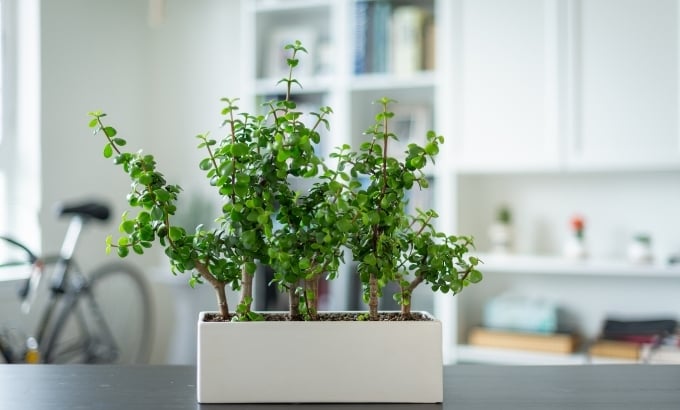
Growing herbs in soil is wonderful, but sometimes I want fresh greens without dealing with messy pots, pests, or constant watering. That is why I started growing herbs directly in water, a method also known as hydro-propagation.
It surprised me how easy and reliable it is. Many common kitchen herbs can live happily in nothing but water, sunlight, and a bit of patience.

Over the years I experimented with dozens of varieties, and I discovered that some herbs adapt extremely well to water culture. They root quickly, stay fragrant, and continue to grow for months when given the right care.
In this guide, I want to walk you through 12 herbs that I personally grow in water all year round, how I maintain them, and extra insights I picked up from horticulturists and hydroponic growers.
My goal is to keep everything easy to understand while still giving you high quality information you can rely on.
Why I Love Growing Herbs in Water?
Growing herbs in water has become one of my favorite gardening techniques for several reasons:
- No Mess and No Pests. I do not have to worry about fungus gnats, soil mold, or overwatering. Everything stays clean.
- Perfect for Tiny Spaces. A sunny windowsill is enough. I often keep mine in recycled glass jars or small clear vases.
- Year-round Harvest. Even in colder months, my herbs stay fresh because indoor temperatures remain stable.
- Endlessly Sustainable. As long as I keep refreshing the water, the plants continue producing new leaves.
- Cost-effective. All I need is a healthy cutting. No fertilizer is required at the beginning, and root development is fast.
Before you get started, the main rule is simple: take cuttings from healthy, non-flowering plants. Once roots form, the herbs settle into the water and begin new growth.
12 Herbs That Grow Beautifully in Water
Below are the herbs I grow regularly, along with helpful notes and small improvements that make a big difference.
1. Mint
Mint is one of the easiest herbs to grow in water. When I first started, mint rooted faster than any other plant I tried.
Why it thrives:
Mint has strong stems and natural resilience. It adapts very well to hydro conditions.
How I grow it:
I place a 4 to 6 inch cutting into a small glass filled with room-temperature water. I avoid full sun because strong light can cause leaf scorch.
Extra tip:
Mint loves cooler rooms. If my kitchen gets hot, I move the jar away from the window.
2. Basil
Basil is a warm-weather herb, yet it grows surprisingly well in water indoors.
Best time to start:
Spring or summer is ideal because basil cuttings take off faster when the temperature is warm.
How I maintain it:
I switch out the water every 2 to 3 days to prevent cloudiness. Basil prefers bright, indirect light.
Expert insight:
If you allow basil to flower, its flavor becomes slightly bitter. I pinch the buds the moment I see them.
3. Oregano
Oregano has a woody stem that roots slowly but becomes very strong once established.
My setup:
I use a narrow jar to ensure the stems stay upright.
Care tip:
Oregano enjoys warmth and moderate sunlight. Too much direct sun can dry the leaves, even in water.
What I love about it:
Once oregano roots, it grows thick and bushy, making it perfect for constant harvesting.
4. Sage
Sage has a velvety texture and a strong aroma. It handles water surprisingly well if I give it enough light.
How I propagate:
I choose soft green stems, not the old woody ones. Soft stems root faster.
Important detail:
Good airflow helps prevent humidity buildup around sage leaves.
Additional insight:
Sage may eventually slow down in pure water. When this happens, I trim it gently to encourage fresh growth.
5. Stevia
Stevia is a naturally sweet herb, and growing it in water makes harvesting its leaves extremely convenient.
How I begin:
I cut just below a leaf node and remove the bottom leaves.
Light requirement:
Stevia loves bright light more than most water-grown herbs. I place it near a sunny window.
Why I like it:
Fresh stevia leaves are much milder than processed powder, and they grow quickly.
6. Thyme
Thyme has delicate stems, yet it roots beautifully in water when the cutting is fresh.
My method:
I use several cuttings at once because thyme stems are thin and small.
Tip for success:
Warmth is essential. Thyme roots slowly if the temperature is low.
Bonus benefit:
Thyme-infused water gives off a pleasant fragrance that freshens my kitchen.
7. Rosemary
Rosemary takes longer to root, but once it does, it becomes a long-lasting water-grown plant.
How I select cuttings:
I always choose young green stems instead of older woody ones. Young stems root better.
Patience required:
Rosemary sometimes needs two to four weeks before roots appear.
Extra advice:
Avoid placing rosemary in a dark room. It thrives with plenty of indirect light.
8. Lemon Balm
Lemon balm belongs to the mint family, which means it adapts to water almost effortlessly.
Why I grow it:
Its citrus scent uplifts the whole room.
Care routine:
I refresh the water frequently because lemon balm releases natural oils that can cloud the container.
Expert insight:
Lemon balm can spread aggressively outdoors. Growing it in water helps me control its growth more easily.
9. Lavender
Lavender in water may surprise people, but it can root well if I choose the right type of cutting.
How I do it:
I take softwood cuttings in spring or early summer.
Light requirement:
Lavender prefers bright light, which helps prevent stem rot.
Special consideration:
Humidity around lavender should stay low. I never overcrowd the jar with too many stems.
10. Tarragon
Tarragon is a gourmet herb with a subtle anise flavor. It grows reliably in water.
Best type:
French tarragon performs better than Russian tarragon in hydro systems.
Temperature:
I keep it in a slightly warmer spot, as it dislikes cold drafts.
Additional note:
I harvest lightly and often to encourage fuller growth.
11. Chives
Chives bounce back extremely fast, making them one of my favorite water-grown herbs.
How I start them:
I take a handful of chive stalks and place the white root ends directly into water.
Why it is so easy:
Chives regenerate quickly and tolerate lower light levels better than many herbs.
Tip:
Cut the leaves frequently. Regular harvesting results in thicker, healthier regrowth.
12. Cilantro
Cilantro can be delicate, but when grown in water, it actually lasts longer than in soil.
How I manage it:
I change the water every two days because cilantro stems decompose easily if ignored.
Light preference:
Indirect light is best. Strong direct sunlight makes cilantro wilt quickly.
Important insight:
Cilantro is short-lived by nature. When it begins to lose vigor, I replace it with a fresh cutting.
Table of My Water-Grown Herbs
Here is the quick reference table I personally use:
| Herb | Rooting Speed | Light Preference | Special Notes |
|---|---|---|---|
| Mint | Fast | Low to medium | Prefers cooler rooms |
| Basil | Medium | Bright indirect light | Pinch flower buds regularly |
| Oregano | Medium | Warm and bright | Narrow jars support stems |
| Sage | Medium | Bright light | Needs airflow |
| Stevia | Fast | Very bright light | Extremely sweet leaves |
| Thyme | Slow to medium | Warm, bright | Use multiple cuttings |
| Rosemary | Slow | Bright indirect light | Choose young stems |
| Lemon Balm | Fast | Medium light | Refresh water often |
| Lavender | Medium | Bright light | Keep humidity low |
| Tarragon | Medium | Warm light | Harvest lightly |
| Chives | Very fast | Low to medium | Regrows quickly |
| Cilantro | Medium | Indirect light | Sensitive to heat |
My Best Tips for Success with Water-Grown Herbs
Over time I learned small habits that make a big difference:
- Use clear containers. I can easily observe root health and water clarity.
- Refresh the water consistently. Stagnant water reduces oxygen and leads to root rot. I usually change it twice a week.
- Avoid metal containers. Metal can react with water and harm the herbs. I stick to glass or ceramic.
- Trim regularly. Regular cutting keeps herbs bushy instead of leggy.
- Give them enough light. Most herbs still require bright, indirect sunlight. I rotate jars weekly for even growth.
- Do not overcrowd jars. Airflow between stems helps prevent fungal issues.
Final Thoughts
Growing herbs in water has become one of the most satisfying parts of my gardening routine. I love how simple the setup is, how clean my kitchen windowsill looks, and how fresh the herbs taste when I snip them right before cooking.
These plants remind me that gardening does not need to be complicated. Sometimes the simplest methods bring the best results.
If you want a low-maintenance way to enjoy herbs all year long, start with just one cutting. You might be surprised by how quickly this turns into your favorite gardening hobby too.