I have always loved fresh basil. The fragrance, the vibrant green leaves, the way it lifts a simple tomato salad or homemade pesto—it’s one of my favorite garden herbs.
A few seasons ago I decided to grow basil in a pot and push myself to grow big, bushy plants instead of just a few small sprigs.
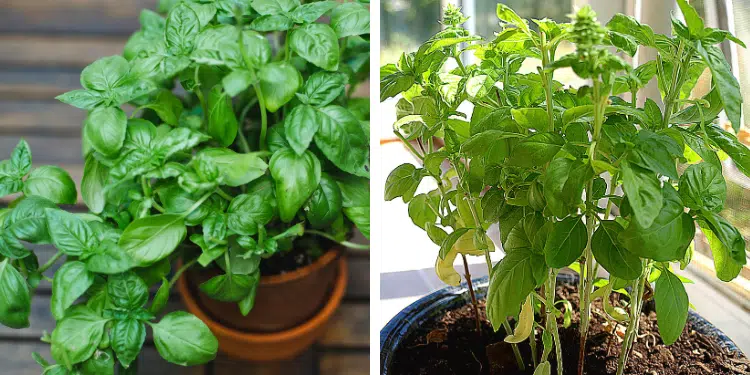
The results surprised me. Now I consistently grow potted basil plants that deliver abundant leaves and long seasons of harvest. In this article I will share what I do, what I learned, and how you can grow big basil plants in containers too.
If you are ready to stop buying basil from the store and begin growing your own in a pot, you’re in the right place.
Why I Choose to Grow Basil in a Pot?
There are several reasons I prefer pot-growing basil rather than only planting in the ground:
- Controlled environment. In a pot I can control soil mix, drainage, and position much more easily.
- Mobility. I can place the pot where it gets the best sun, move it indoors if needed, and avoid poor ground conditions.
- Intensive harvests. Pods of basil in a pot can yield enough leaves for regular picking, pesto, salads, and even freezing.
- Prevent leggy growth. A well-managed pot keeps the plant bushy instead of spindly.
By growing basil in containers I set up ideal conditions and maximise my chances of a strong, productive plant.
Understanding What Basil Really Needs
Before I pot my basil I make sure I meet its fundamental growing requirements. Knowing these gives me a big head-start.
What Basil LOVES?
- Full sun. At least 6 to 8 hours of direct sunlight each day.
- Warm temperatures. Basil is a warm-weather herb and dislikes cool, damp roots.
- Good drainage. Roots must breathe and avoid water-logging.
- Frequent harvesting. Picking leaves regularly encourages bushier growth and delays flowering.
What Basil DISLIKES?
- Cold soil or chilly nights: If the soil stays too cool, growth slows and the plant can struggle.
- Overcrowded roots: Too small a pot restricts root growth and stunts the plant.
- Flowering too early: Once basil starts to flower heavily the leaf yield and flavor decline.
When I align with these needs I give my basil the best chance to thrive.
Choosing the Right Pot and Soil Mix
One major factor in my success has been selecting the correct container and soil mix. If you imagine the pot as the plant’s home, you want it to be comfortable and spacious.
1. Pot Size & Type
- I pick a container at least 20 cm (8 inches) wide and deep for a single basil plant, and larger (30-40 cm+) if I plan to grow multiple plants.
- Ensure the pot has good drainage holes at the bottom. Poor drainage leads to root rot.
- Consider lighter pots (fibreglass, plastic) if you might move them. Terracotta is fine but dries out faster.
- If you go for a very large pot (to grow a “monster” basil bush) make sure it is stable and won’t easily tip.
2. Soil / Potting Mix
Here’s the mix I use now that gives me consistently strong growth:
| Component | Purpose | Ratio |
|---|---|---|
| Well-draining potting compost | Provides nutrients and base structure | ~60% |
| Perlite or horticultural grit | Improves drainage and aeration | ~20% |
| Organic compost or worm castings | Adds gentle nutrients and beneficial microbes | ~10% |
| Mulch top-dress of light bark or bare finish | Keeps surface slightly cooler and reduces crusting | ~10% |
This mix allows roots to grow unrestricted, keeps soil from staying soggy, and supports abundant leaf growth. From one recent guide I also learned that root volume greatly affects final plant size.
Planting or Transferring Your Basil
Here’s the step-by-step process I follow when planting or potting up basil.
- Choose a healthy young basil plant or start from seed. If you buy a small supermarket basil, I transfer it soon into a larger pot.
- Fill the pot with the prepared soil mix, leaving about 2–3 cm from the rim to allow space for watering.
- Gently remove the plant from its original container, loosen the roots slightly if they are compacted.
- Place the basil in the new pot at the same depth it was in its previous pot. Press soil gently around the base.
- Water thoroughly to settle the soil and encourage root-soil contact.
- Place the pot in a sunny location where it will receive at least six hours of direct sunlight.
If I start from seed, I sow seeds thinly on the surface of moist soil and cover lightly, then move seedlings into the pot once they have 3-4 sets of leaves.
Care and Maintenance: How I Keep My Basil Big and Bushy?
Once the basil is in place I follow a regular care routine to keep it thriving and prevent common issues.
1. Watering
- I ensure the soil remains evenly moist but not water-logged. Soil should never be sodden.
- For pots in warm sun I check daily; as a general rule I water when the top 1-2 cm of soil feels dry.
- Early morning watering is preferred so the plant has the day to dry off and avoid fungal issues.
2. Feeding
- Because potting mix nutrients deplete faster, I apply a gentle liquid fertilizer every 2-3 weeks during the main growing season.
- I avoid high potassium “tomato-type” feeds because excessive potassium can encourage flowering at the expense of leaf growth.
3. Pruning & Harvesting
- As soon as the plant reaches around 10-15 cm tall I begin pinching or cutting the top leaves just above a leaf node. This encourages branching.
- Every time I harvest leaves I try to pick from different sections so the plant remains balanced.
- I remove flower buds or stems as soon as they appear unless I am letting a plant go to seed. By preventing flowering I ensure the plant continues to produce lush leaves.
4. Light & Temperature
- I reassess the pot position regularly. If I notice the plant stretching for light I move it to a brighter spot. Basil in low light becomes leggy, weak and less productive.
- In very hot climates (above 30 °C/86 °F) a little afternoon shade may be beneficial. Too much direct midday heat stresses the plant.
5. Air Circulation & Spacing
- For multiple basil plants in one large pot I ensure there is adequate space between plants or use separate pots. Overcrowding reduces air flow and encourages disease.
My Key Steps for Extra-Large Basil Plants
If you want not just a good pot of basil but a big, bushy plant or even a mini basil bush, these are the additional steps I adopt:
- Use a larger container (for example a 30-40 cm wide pot) so the root system has room to expand.
- Start with 2-3 plants in that container so they fill out together.
- Let the pot sit on a light stand or saucer; in warm weather I allow the pot to stand in a shallow tray of water for a short time so roots can draw moisture from below (but not waterlogged all time). This helps encourage deep rooting.
- Prune more frequently: every 2-3 weeks until midsummer, then weekly if I want maximum leaf production.
By doing these, I often have basil plants so full and leafy that I harvest large bowls of leaves, freeze some, share some, and still have a strong supply.
Troubleshooting: Problems I Have Seen and How I Fixed Them?
Even in a pot your basil might face issues. Here are troubles I encountered and what I learned:
- Yellowing leaves. This often signaled poor drainage or nutrient deficiency. I corrected it by changing the soil mix, ensuring drainage holes were open, and feeding lightly.
- Plant flowering too early (bolting). When a basil plant flowers, leaf flavor often declines and growth slows. My solution: pinch off flower stems and maintain regular harvesting to encourage leaf growth.
- Leggy growth. Caused by low light or overcrowding. I moved the pot to a sunnier spot and spaced the plants out.
- Root bound pot. When I detected slow growth I repotted into a larger container with fresh mix.
- Pests. Occasionally I found aphids or slugs, especially on balcony setups. I removed any infested leaves, sprayed mild soapy water, and kept the pot clean.
By staying attentive and making minor corrections I keep my basil healthy and productive.
Harvesting and Storing My Basil
One of the joys of growing your own basil is the continual harvest. Here is how I manage it:
- I harvest leaves frequently, picking top stems and older outer leaves. The fresh shoots encourage new growth.
- For larger harvests I cut whole stems just above a node, then place in water or immediately use them.
- If I have more than I can use fresh, I strip the leaves, chop them, and freeze them in ice-cube trays with a little olive oil, or make a basil paste to freeze. This ensures I have basil even in cooler months.
- I avoid letting all my plants flower at once because once flowering starts the leaf yield often drops significantly.
Regular harvesting keeps the plant in active growth mode and maximises flavour.
My Onion-to-Tomato Companion Tip
One tip I found beneficial: I often place a basil pot near my tomato plants, or simply have a separate basil pot in the vegetable-garden zone. Basil is a classic companion herb for tomatoes.
It is believed to enhance the flavor and may help repel certain pests. It also means I keep basil within easy reach of my kitchen.
Why My Pot Basil Works So Well?
When I reflect on what makes my approach successful, I see these key elements:
- I treat the pot as if it’s a small garden bed and give it room and excellent soil.
- I focus on consistent care rather than perfection. The watering, the light, the harvesting all matter.
- I prune and harvest proactively instead of waiting for the plant to become overgrown or start flowering.
- I monitor and adapt: if the pot dries too fast, I choose a larger container; if the soil seems depleted, I refresh or feed.
- I enjoy the process. Growing basil in a pot is not just about production—it is about connection with the plant, the fragrance when I brush past the leaves, and the satisfaction of using fresh herb from my own hands.
If you decide to grow big basil in a pot, I believe you will notice a big difference from typical store-bought herbs. You will harvest more, have better flavour, and enjoy the whole process.
And the best part?
You’ll be growing something delicious with your own hands.