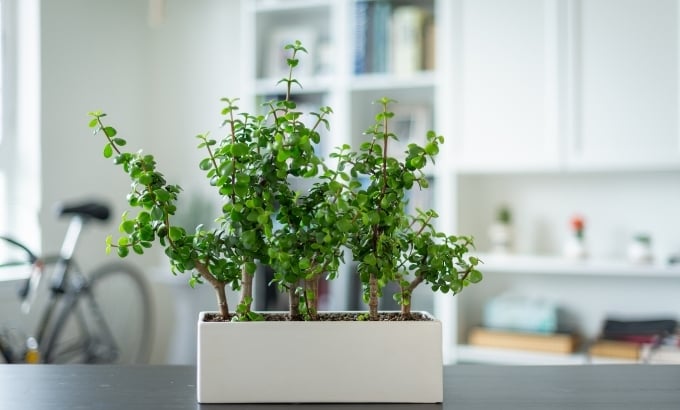
I still remember the first time I held an aloe vera leaf in my hands. It was thick, juicy, and cooled my sunburn instantly. Since that day, I became fascinated by this remarkable plant.
Aloe vera has a long history that goes back thousands of years. It has been called the plant of immortality, legendary for its health and healing benefits across cultures.

Today, I grow it in my home and garden, and in this article, I’ll guide you through everything I’ve learned.
I want you to understand aloe vera deeply. Not just how to grow it, but why it’s so respected, how it benefits human health, and what mistakes to avoid. I’ll explain in clear, natural language so even beginners can feel confident.
Why Aloe Vera is Called the Plant of Immortality?
Aloe vera has been used for centuries in traditional medicine. Ancient Egyptians called it the plant of immortality because they believed it had life‑enhancing properties. They used it to soothe wounds and preserve health.
Aloe was later used in Greek, Chinese, and Indian herbal medicine.
What makes aloe so special is its gel. Inside each leaf is a clear, slippery substance packed with beneficial compounds like:
- Amino acids
- Vitamins A, C, and E
- Enzymes
- Polysaccharides
- Minerals
These compounds work together to help the skin heal, reduce inflammation, and even provide mild hydration when taken orally or applied topically.
I rely on aloe for everyday skin care and simple home remedies. It feels natural to trust a plant that has been admired for so long.
Understanding Aloe Vera as a Plant
Aloe vera is a succulent, meaning it stores water in its fleshy leaves. In nature, it grows in dry, semi‑arid environments, so it is very drought‑tolerant.
Unlike many houseplants, aloe prefers to be a bit underwatered rather than overwatered. When I first grew it, understanding this point made all the difference.
Aloe blooms in spikes of yellow or red flowers when conditions are right. While most people grow it for its gel, the flowers can be beautiful in their own right.
The plant grows in rosettes, meaning the leaves spiral out from the center.
To thrive, aloe needs a balance of light, temperature, water, and soil quality. Once you know what it likes, it becomes one of the easiest plants to grow.
How to Grow Aloe Vera at Home?
Here is the table I use to keep track of how I care for my aloe plants.
| Care Factor | Best Practice |
|---|---|
| Light | Bright indirect sunlight |
| Soil | Well‑draining cactus or succulent mix |
| Watering | Every 2–3 weeks; let soil dry first |
| Pot | Terracotta with drainage holes |
| Temperature | 55°F to 80°F (13°C to 27°C) |
| Fertilisation | Light feed in spring and summer |
| Potting Frequency | Every 2‑3 years |
Now let’s break these down.
1. Choosing the Right Light
Aloe loves light. If you want strong growth and potential flowering, you need to place it somewhere very bright. South or west‑facing windows are ideal.
However, too much direct midday sun can scorch leaves, especially through glass. I make sure mine gets bright indirect light most of the day.
If the plant’s leaves turn brown at the tips or look bleached, that’s a sign the sun is too strong.
2. Perfect Soil
Aloe needs soil that drains quickly. Ordinary potting soil holds too much water and leads to root rot. Instead, choose a cactus or succulent soil mix. The soil should feel gritty.
You can also mix regular potting soil with sand or perlite to improve drainage.
3. Watering Correctly
Aloe does not like frequent watering. In fact, it thrives when the soil dries completely between waterings. I water mine roughly every 2 to 3 weeks. In winter, I water even less because growth slows.
Too much water causes the leaves to become mushy and soft. Too little water makes them narrow and wrinkled. You want a happy middle ground.
4. The Right Pot
Terracotta pots are my favorite for aloe because they allow moisture to evaporate faster than plastic pots. Always choose a pot with drainage holes. If water cannot escape, the roots sit in moisture and rot.
5. Ideal Temperature
Aloe plants prefer temperatures between 55°F and 80°F. They do not like freezing conditions. If you live somewhere cold, keep your aloe indoors during winter.
Common Mistakes and How I Fixed Them
Even though aloe is easy to grow, I made mistakes when I started. Here’s what I learned and how you can avoid them.
Mistake 1: Overwatering
I used to water on a schedule, like clockwork. Every week, no matter what. The result was mushy leaves and root rot.
Fix: I switched to watering only when the soil was dry. Now I check by sticking my finger about an inch deep. If it’s dry, I water. If it’s still moist, I wait.
Mistake 2: Poor Light
One of my aloe plants sat in a north‑facing window and barely grew. It stayed the same size for years.
Fix: I moved it to a south‑facing window with filtered sunlight. Within weeks, I noticed thicker, healthier leaves.
Mistake 3: Wrong Soil
Before I knew better, I used regular potting soil. It held water and made the roots soggy.
Fix: I changed to a succulent mix and added perlite. The roots now breathe, and the plant grows more robust.
How and When Aloe Produces Offshoots (Pups)
One of the most exciting parts of growing aloe is watching it produce pups. These are baby aloe plants that grow from the base of the mother plant.
Aloe produces pups when it is healthy, has enough room, and receives proper light and water.
If your plant never makes pups, it could be due to:
- Too little light
- Overwatering
- Too small a pot
- Poor soil
- Lack of nutrients
- Extreme temperatures
To encourage pups, I make sure my aloe has:
- Bright light
- Well‑draining soil
- Enough space
- Occasional fertilisation
When the pups appear, I wait until they are at least a couple of inches tall before separating and replanting them.
Propagating Aloe Vera: How I Do It
I propagate aloe in two ways: pups and leaf cuttings.
1. Propagating Pups
Step by step propagating aloe vera pups.
- Gently remove the plant from its pot.
- Brush away soil to see where the pups attach.
- Use a clean knife or your fingers to separate them.
- Let the pups dry for a day so wounds callus.
- Plant them in small pots with succulent mix.
- Water sparingly until roots form.
2. Leaf Propagation
Leaf propagation can be slow, but it works:
- Cut a healthy leaf near the base.
- Let the cut end dry for a few days.
- Place the cut end in soil.
- Water lightly until new growth appears.
Propagating aloe is a great way to expand your collection or share plants with friends.
Aloe Vera Uses I’ve Tried and Trust
Aloe vera goes far beyond decoration. It has been used for centuries for skincare and health.
Here are ways I use it regularly:
- Sunburn Relief. When your skin feels hot or red from sun exposure, aloe gel feels cool and soothing. I slice a leaf, squeeze out the gel, and apply it directly. The anti‑inflammatory compounds help reduce redness.
- Moisturiser. Aloe gel is excellent for dry or irritated skin. I use a thin layer daily, especially after handwashing.
- Minor Wound Healing. Aloe may help small cuts or scrapes because it helps soothe and hydrate skin tissue.
- Hair and Scalp Care. I mix aloe gel into my shampoo or conditioner to help reduce dryness on the scalp.
Remember, aloe gel works for surface skin use. If you have sensitive skin, test a small area first.
How to Harvest Aloe Without Damaging the Plant?
Harvesting aloe gel should be done carefully:
- Choose a healthy outer leaf.
- Cut it close to the base.
- Let the cut leaf sit upright so yellow latex drains out. This latex can cause irritation.
- Slice the leaf open to expose the gel.
- Scoop out the clear gel and use it immediately.
Do not remove more than one leaf at a time, and wait a few weeks before harvesting again.
Troubleshooting: Why Your Aloe Might Struggle
If your aloe looks unhappy, here are some signs and how I fixed them:
1. Brown Tips
- Too much direct sun
- Dry air. Fix by moving slightly away from intense midday sun.
2. Soft, Drooping Leaves
- Overwatering
Fix by reducing watering and checking soil drainage.
3. Leaves turning pale
- Too little light
Fix by moving to brighter spot.
4. Yellow leaves
- Could be sunburn or overwatering
Evaluate light and water conditions.
Seasonal Care for Aloe
Aloe doesn’t grow the same all year. Seasons matter.
1. Spring and Summer
Growth time. More water and occasional fertilizer help the plant thrive.
2. Autumn and Winter
Slow growth. Water very sparingly and avoid fertilizer.
Conclusion
Aloe vera is more than a decorative plant. It is a resilient, ancient plant of healing and adaptability. Growing it at home taught me patience, careful observation, and respect for nature’s balance.
If you give your aloe the right light, water, soil, and space, it will reward you with pups, beauty, and useful gel.
Whether you are a beginner or a seasoned gardener, aloe vera is one of the most satisfying plants to grow. It teaches you that good plant care looks a lot like good self‑care: awareness, consistency, and gentle support.
Grow your aloe with confidence, and it may just become your favourite plant.