When I first heard about herb spirals, I thought they looked interesting but unnecessary. I already grew herbs in pots and garden beds, so I did not see why I needed something different. That changed when I began to understand how herbs grow in nature and how much their needs vary.
Building an herb spiral helped me grow more herbs in less space, with healthier plants and far less maintenance. It also changed the way I think about garden design.
Instead of forcing plants into the same conditions, I learned to work with natural differences in sunlight, water, and soil.
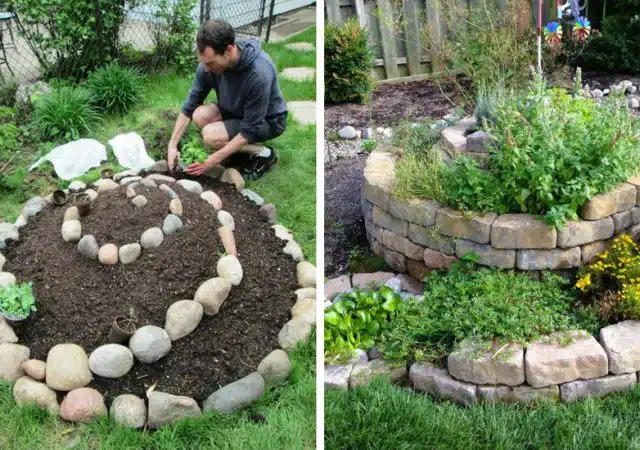
In this article, I will explain why I decided to create my own herb spiral, what benefits it offers, and how I built it step by step using simple materials.
Everything here is based on practical experience and easy to understand principles.
What an Herb Spiral Is?
An herb spiral is a raised garden bed built in a spiral shape that gradually rises from ground level to a higher point in the center. This shape naturally creates different growing conditions within a small area.
As the spiral rises:
- The top becomes drier and sunnier
- The middle holds moderate moisture
- The bottom stays cooler and more moist
This design allows me to grow herbs with very different needs in one compact structure.
Why Herbs Benefit from a Spiral Design?
Herbs are not all the same. Some prefer dry soil and intense sun, while others thrive in moist, rich conditions. When herbs are planted in flat beds or identical pots, some will always struggle.
The herb spiral solves this problem naturally.
Instead of adjusting conditions for each plant, the spiral creates microclimates that herbs can choose from. Each herb grows where it feels most comfortable.
Reasons I Chose to Build an Herb Spiral
1. Growing More Herbs in Less Space
Space was my biggest limitation. The spiral design increases planting area vertically, not horizontally. This allowed me to grow many herbs in a small footprint without crowding.
In one spiral, I grow more than a dozen different herbs comfortably.
2. Natural Water Management Made Gardening Easier
One of the most practical benefits I noticed is how water behaves in an herb spiral. When I water the top, excess moisture naturally moves downward.
The herbs at the bottom receive more water, while the top stays relatively dry. This means:
- Less water waste
- Healthier roots
- Fewer watering adjustments
The spiral works with gravity instead of against it.
3. Herbs Thrive in Their Preferred Conditions
After building my herb spiral, I noticed stronger growth almost immediately. Mediterranean herbs like rosemary and thyme thrived at the top. Moisture loving herbs like parsley and chives flourished near the bottom.
I stopped losing plants due to mismatched conditions.
4. It Improved Soil Health Naturally
Each layer of the spiral contains slightly different soil composition. I used:
- Sandier soil at the top
- Balanced soil in the middle
- Rich, moisture retaining soil at the bottom
This variety supports healthier root development and reduces nutrient stress.
5. It Reduced Maintenance and Plant Stress
Because each herb grows in its ideal spot, I spend less time fixing problems. There is less disease, fewer pests, and stronger natural resistance. The plants support themselves instead of depending on constant intervention.
6. It Encouraged Biodiversity and Pollinators
Herb spirals naturally attract beneficial insects. The variety of herbs and heights provides:
- Nectar for pollinators
- Shelter for beneficial insects
- Improved pollination for nearby plants
This created a more balanced garden environment.
7. It Added Beauty and Structure to My Garden
Beyond function, herb spirals look beautiful. The spiral shape creates a natural focal point. It adds texture, height, and movement to the garden without looking artificial.
Visitors often ask about it before anything else.
Herbs I Grow in My Herb Spiral
Here is how I typically organize my spiral.
| Spiral Level | Herb Examples | Growing Conditions |
|---|---|---|
| Top | Rosemary, thyme, oregano | Dry, sunny |
| Middle | Basil, sage, cilantro | Moderate moisture |
| Bottom | Parsley, chives, mint | Moist, cooler |
Mint stays at the bottom to control its spread and enjoy the moisture.
How I Built My Herb Spiral?
Building an herb spiral does not require advanced skills or expensive tools.
1. Materials I Used
I used this materials:
- Stones or bricks
- Soil and compost
- Sand
- Mulch
- Herbs or seeds
Natural materials work best and blend into the garden.
2. Step by Step Process
This is step by step process I’ve used:
- I marked a circular base on the ground.
- I stacked stones in a spiral pattern, rising toward the center.
- I filled the base with soil and compost.
- I adjusted soil texture by level.
- I planted herbs according to their needs.
- I watered gently and let the structure settle.
The entire process took one afternoon.
Important Tips I Learned While Building
This tips will help you:
- Build the spiral wide enough for easy access.
- Avoid steep walls that collapse.
- Let the soil settle before planting fully.
- Water slowly during the first weeks.
Patience at the start leads to long term success.
Common Mistakes to Avoid
- Making the spiral too small. A very tight spiral limits root growth and airflow.
- Using uniform soil everywhere. Different herbs need different textures.
- Ignoring sun direction. The spiral should receive good sunlight for most of the day.
Why Herb Spirals Are Sustainable?
Herb spirals support sustainability in several ways.
- Efficient water use
- Minimal soil erosion
- Reduced need for fertilizers
- Long lasting structure
Once built, the spiral continues working year after year with minimal input.
Herb Spiral vs Traditional Herb Beds
Here is how I see the difference.
| Feature | Herb Spiral | Flat Bed |
|---|---|---|
| Space efficiency | High | Moderate |
| Water use | Efficient | Less efficient |
| Soil variety | Natural | Uniform |
| Maintenance | Low | Moderate |
| Visual appeal | High | Simple |
The spiral offers both function and form.
Who Should Build an Herb Spiral?
I recommend herb spirals for:
- Small gardens
- Beginner gardeners
- Sustainable gardening enthusiasts
- Anyone who loves herbs
They are forgiving, adaptable, and rewarding.
My Final Thoughts
Creating my own herb spiral changed the way I garden. It taught me to observe plants more closely and respect their natural preferences.
Instead of fighting nature, the herb spiral works with it. The result is healthier herbs, less work, and a garden that feels alive and balanced.
If you enjoy growing herbs and want a system that is efficient, beautiful, and practical, an herb spiral is worth building. Once you experience how well it works, it becomes hard to imagine gardening without one.