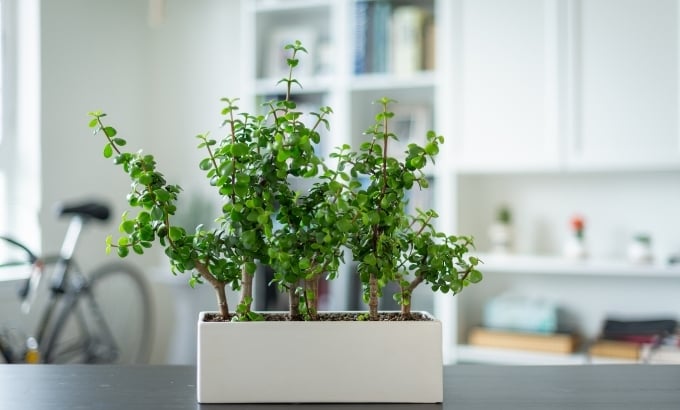
When I first learned about this, it felt almost magical: the plant naturally shifts in September, responding to shorter daylight hours, cooler nights and its own slowing growth rhythm.

Here’s how I think about it:
- Daylight changes: the plant senses shorter days and longer nights and begins to switch into “bloom preparation” mode.
- Temperature shift: cooler nights mimic the plant’s native rainforest‐mountain environment and help trigger bud formation.
- Growth slows down: after a summer of active growth I let the plant ease into bud set rather than pushing more leaf growth.
Because of all this I treat September with the respect it deserves: the decisions and care I give now directly affect whether I see a lush bloom later. So here are the steps I follow.
1. Adjust Watering for Pre-bloom Conditioning
Watering seems simple, but here is where many of us trip up. I reduce how often I water and change how I check moisture.
What I do:
- I stretch out the watering interval: if in summer I was watering every 5-7 days, in September I move to about every 10-14 days (depending on indoor humidity and temperature).
- I use the “finger test”: I put my finger about 1-2 inches into the soil; if it’s still damp I wait, if it feels dry I water.
- When I do water, I water thoroughly until water exits the drainage holes, then I remove any excess from the saucer – I don’t want soggy roots.
Why it works:
By slightly reducing watering I mimic the plant’s natural pre-bloom conditions – tapping into its internal rhythm so it shifts energy from leafy growth to flower bud formation.
Pro tips I follow:
- Never let the soil stay soggy — root rot is real.
- Don’t let it dry out completely — stress can delay or prevent flower buds.
- If indoor air is very dry (as it is in many homes with heating/AC), I mist the leaves occasionally to raise humidity a little.
2. Begin Light and Temperature Regulation
To trigger bloom I treat the plant like this: cool nights + long dark periods + bright indirect day light.
Light requirements in September:
- I aim for 12–14 hours of darkness each night, because this plant is a short-day plant that sets buds when nights are long.
- During the daytime I position the plant near an east- or north-facing window (in my case an east window) where it gets bright but filtered light (no harsh direct sun).
Temperature needs:
- At night I try to let the temperature go down to about 10-15 °C (50-60 °F). This cooler drop helps bud formation.
- During the daytime I keep it in a more moderate temperature, about 18-21 °C (65-70 °F) — stable, mild, not blazing hot.
My additional tips:
- I avoid placing the plant near heat vents, radiators or drafts. Sudden temperature changes cause bud drop.
- If my nights naturally go cool (e.g., in an older house) I might move the plant to a cooler spot outdoors for a few weeks – but I bring it back indoors before frost.
3. Transition Fertilizing for Bud Formation
As I shift my plant from “grow leaves and stems” mode into “time to bloom” mode, I also shift what I feed it.
What I do in September:
- I stop using high-nitrogen fertiliser that promotes growth of leaves and stems. Instead I switch to a fertiliser higher in phosphorus and potassium (for example ratios like 5-10-10 or 2-7-7) every 2-4 weeks until about late October.
- I also sometimes use a natural hack: I soak banana peels for potassium and add a pinch of Epsom salt (for magnesium). I do this about once a month.
Why this matters:
- Phosphorus helps stimulate flower bud initiation; potassium helps strengthen the plant and extend bloom life.
- Using high-nitrogen fertiliser now means the plant invests in leaves when what it really should be doing is making buds.
4. Prune and Repot Strategically (Only If Needed)
In September I assess whether the plant needs a light trim or to be repotted — but I’m careful not to stress it too much because I don’t want to upset bud formation.
Pruning:
- If the stems are leggy, I will use clean scissors to snip off 1-2 segments from the ends of each stem (after ensuring the plant is healthy). This encourages branching, which means more tips = more blooms.
- I will also use those cuttings to root new plants, but only if I want to propagate.
Repotting:
- I only repot if the plant is rootbound or the soil is old and compacted. Otherwise I leave it be — many growers find that Christmas cacti bloom best when slightly rootbound.
- When repotting: I use a loose, well-draining mix (equal parts potting soil, perlite and orchid bark). I pick a container only slightly larger than the current one.
Warning:
Heavy pruning or a full repot too late in September can stress the plant and interfere with bud formation. I avoid big changes at that time.
5. Create a Rest Period to Trigger Blooms
One of the most overlooked but powerful steps: I give my plant a short rest period in September — a quiet phase where growth slows, watering decreases slightly, light/dark cues shift, and things go into pre-bloom mode.
How I manage it:
- I further reduce watering (as mentioned above).
- I maintain the 12-14 hours darkness each night (see step 2).
- I stop heavy feeding after mid-October (but I prepare from September).
- I watch for tiny bud nubs forming (usually by late Sept to early Oct). When I see them, I handle the plant gently because stress and changes now may cause buds to drop.
Extra tips I use for maximum blooms:
- I rotate the pot once a week so all sides get even light exposure and symmetrical bud development.
- I maintain higher humidity: I place a tray of water and pebbles under the pot to raise local humidity without flooding the roots.
- Once buds begin, I avoid moving the plant. Even slight relocation can cause bud drop.
- It helps to place this plant near others that enjoy humidity (ferns, orchids) so you recreate a subtle ‘rainforest corner’.
And just to help you assess common problems, here’s a little table I worked out:
| Problem | Probable Cause | My Fix |
|---|---|---|
| Buds not forming | Too much light at night / too warm nights | Ensure 12–14 h darkness, lower night temperature |
| Yellowing leaves | Overwatering or poor drainage | Allow soil dry slightly, repot if compacted |
| Bud drop | Drafts, sudden moves, inconsistent watering | Keep plant in stable location, avoid changes |
| Stunted growth | Nutrient deficiency | Switch to bloom‐fertiliser with phosphorus/potassium |
Final Thoughts
As I wrap up my September routine with the Christmas cactus, I feel confident that I’m giving it what it needs to shift from “summer growth” to “holiday showtime”.
By adjusting watering, controlling light & temperature, shifting fertilizer, pruning thoughtfully and giving it a rest period, I’m aligning with its natural rhythm.
And when the holidays arrive and the blooms burst out in vivid colour, I know the care in September made the difference.
If you follow these five steps, you’ll set the stage for lush, abundant blooms that bring joy and colour to your home. I’m excited for you — your Christmas cactus is about to shine.