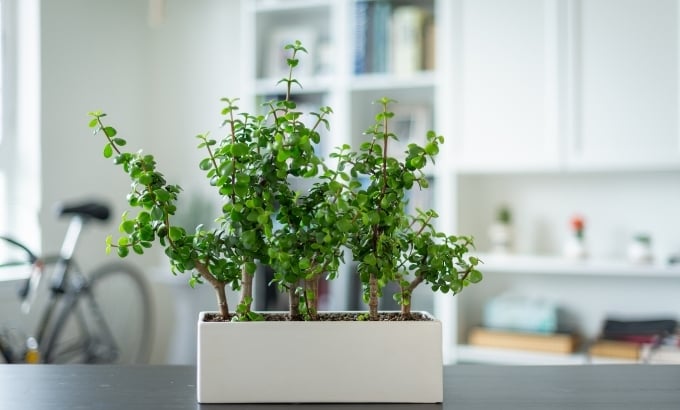
When I first considered turning my backyard into a private sanctuary, I realized that a simple fence sometimes feels cold and uninviting. What I truly wanted was lush greenery that gives me privacy while adding beauty and life to the space.
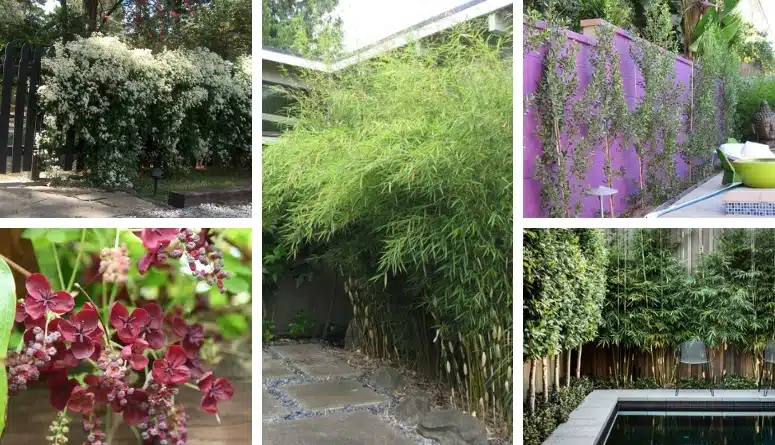
Over time I learned which plants grow well, which stay green most of the year, and which give thick coverage without too much fuss.
I want to share everything I discovered (which plants I used, how I plant them, and what to watch out for), so you can create your own backyard privacy haven with confidence.
What I Look For When Choosing Privacy Plants?
Before diving into my top picks, I defined a few criteria. These helped me narrow down which plants truly suit a privacy screen. I suggest you do the same when planning your garden.
- Evergreen or mostly evergreen. I want green leaves all year to avoid bare spots in dry or cold seasons.
- Fast or moderate growth rate. I prefer plants that grow reasonably fast so the screen fills in within a few seasons.
- Dense foliage. Many thin-leafed plants make poor screens — I look for thick leaves or compact branching.
- Adaptability to soil and light. My yard has a mix of sun and part-shade spots, so flexibility is key.
- Low to moderate maintenance. I want privacy, but not a daily chore. Pruning once or twice a year is fine.
- Good root behavior. I avoid plants with aggressive roots that may damage nearby structures or pipes.
With these criteria in mind, I selected the plants in the next section.
10 Plants I Grow for Backyard Privacy (and Why They Work)
Here are the top plants I use for my privacy hedge, and how I plant them based on their habits and strengths.
| No | Plant / Shrub / Tree | Highlights & Characteristics | How to Plant |
|---|---|---|---|
| 1 | Leyland Cypress | Fast-growing evergreen conifer, vertical growth ideal for tall privacy screens. | Plant in well-draining soil with full sun. Space 1.5-2 meters apart to allow for wide growth. Water regularly until established. |
| 2 | Sweet Viburnum | Dense foliage, grows quickly to 3–4 meters, produces fragrant flowers and blocks view well. | Choose a sunny or partially shaded location with moist, well-draining soil. Space 1-2 meters apart. Water during dry spells. |
| 3 | English Laurel (Cherry Laurel) | Glossy broad leaves, very dense evergreen hedge, tolerates sun to part shade, low maintenance. | Plant in rich, well-draining soil. Space about 1.5 meters apart. Prefers moist conditions, so water well after planting. |
| 4 | Bamboo (clumping type) | Very fast vertical growth, narrow profile good for tight spaces, soft foliage that still blocks sight. | Use well-draining, slightly acidic soil. Space 0.5-1 meter apart to allow for healthy clumping. Keep watered but not soggy. |
| 5 | Portuguese Laurel | Glossy leaves, dense branching, grows in varied soil, good evergreen option for privacy. | Plant in moist, fertile soil. Space plants 1.5-2 meters apart. Water regularly and prune as necessary to maintain shape. |
| 6 | Griselinia (e.g., Griselinia littoralis) | Hardy evergreen with glossy leaves, grows tall and dense. Works well in coastal or windy areas. | Plant in well-draining, slightly acidic soil. Space about 1 meter apart. Water regularly and protect from severe winds. |
| 7 | Japanese Holly or similar broadleaf evergreen | Evergreen broadleaf gives thick coverage year-round and tolerates pruning well. | Choose well-drained, slightly acidic soil. Space 1 meter apart. Water regularly until established and prune to shape. |
| 8 | Mixed Screen (Evergreen + Shrub + Grass layers) | Combining tall evergreens with medium shrubs and ornamental grasses adds visual interest and better privacy. | Start with taller evergreen trees as the base layer, followed by medium shrubs, and ground cover grasses. Space accordingly based on mature size. |
| 9 | Shrubs with seasonal interest (flowering shrubs or scented hedges) | Adds fragrance, blooms, or seasonal color while still providing partial privacy and aesthetic appeal. | Space 1-1.5 meters apart for compact shrubs. Water regularly and select varieties that fit your garden’s light conditions. |
| 10 | Balanced spacing and occasional pruning strategy | Rather than relying on a single species, using mixed plants and pruning ensures long-term health and privacy. | Plant a mix of fast-growing and slow-growing plants. Keep them spaced to ensure air circulation. Prune yearly to maintain shape and health. |
How I Plant and Manage My Privacy Hedge?
Having chosen the plants that fit my space and preferences, I follow a few routines and planting strategies to ensure the screen grows healthy, dense, and lasts for years.
1. Plan the Layout with Variety
I avoid planting just one type. Instead I mix a few evergreen trees with broadleaf shrubs and occasional flowering shrubs for seasonal interest.
This mixed approach helps in case one species struggles due to weather or soil. It also brings biodiversity and supports pollinators.
2. Give Space According to Mature Size
Before planting I read the expected mature size of each plant. For example, tall trees such as Leyland Cypress or Griselinia I place further apart than bushy shrubs like Sweet Viburnum.
This gives room for air circulation and prevents overcrowding.
I also place larger plants at the back of the border and smaller shrubs closer to paths or patios.
3. Use Proper Soil and Drainage
Even evergreen plants need well-draining soil. I improved my soil with compost and mulch so it retains moisture without waterlogging.
For some plants like Bamboo or Laurel I add organic mulch yearly to maintain soil quality and reduce stress in dry season.
4. Prune and Shape Occasionally
Once the screen is established, I prune annually or semi-annually depending on the species. For broadleaf shrubs I trim out dead or overcrowded branches, which helps light reach inner leaves and reduces risk of fungal disease.
For trees or tall hedges I simply remove lower branches to keep the base clean and allow walking space.
5. Monitor Growth and Adjust Over Time
As plants grow, the hedge can become too dense or uneven. I keep an eye on light, airflow, and tallest parts.
If one plant dominates or leans too much, I thin or prune to balance the screen.
6. Avoid Monoculture to Prevent Risks
A hedge of only one species can be risky: disease, pests, or unfavorable conditions may hit all plants.
Having different species spreads that risk and keeps the hedge resilient. Mixed screens also encourage wildlife such as birds and pollinators.
My Tips for Choosing the Right Privacy Plants Based on Your Needs
Depending on your yard size, climate, and goals, some plants will suit you more than others. Here is how I decide what to plant when I plan a new privacy screen:
- For small gardens or narrow spaces. Use narrow but tall plants like Bamboo, Portuguese Laurel, or Griselinia. They give vertical coverage without spreading too wide.
- For quick privacy in 2–3 years. Choose fast-growing evergreen trees like Leyland Cypress or dense shrubs like Sweet Viburnum and English Laurel.
- For year-round greenery and low maintenance. Use broadleaf evergreen shrubs or conifers that tolerate pruning and weather changes.
- For mixed seasonal interest (flower, scent, texture). Combine evergreen backbone with one or two flowering shrubs or seasonal grasses.
- For soil with poor drainage or windy spots. Favor hardy species like Bamboo (clumping type), Griselinia, or shrubs that tolerate tough conditions.
What I Learned from My Mistakes?
Over several seasons I also made errors in choosing and planting privacy plants. Here are the lessons that helped me refine my hedge design:
- I once planted several fast-growing trees too close; as they grew tall their roots competed and the hedge looked uneven. Now I always plan adequate spacing.
- I tried to use the same species everywhere; when a pest attacked that species, much of the screen suffered. From then on I mixed species.
- I neglected pruning for a season; some shrubs grew wildly and blocked light from inside plants, causing some to yellow. Regular trimming solved the problem.
- I planted evergreen shrubs in deep shade (they grew thin, lost lower leaves, and failed as a screen). Now I always check light needs before planting.
- I used a “set and forget” approach; a hedge needs occasional attention: pruning, checking soil, and adjusting as plants grow.
Why Living Plant Screens Beat Fences (For Me)?
Using plants instead of a bare fence gave my yard more than privacy:
- The garden feels alive, with birds, insects and changing seasons giving movement and life.
- The greenery softens harsh walls or concrete boundaries and blends with nature.
- Privacy plants also act as windbreaks, reduce noise and give shade.
- A living screen can age gracefully; I get predictable coverage while the plants grow and settle in.
- It encourages a more eco-friendly, sustainable boundary rather than a cold, hard barrier.
My Final Thoughts
Creating a backyard privacy screen with plants has been one of the most rewarding projects in my garden. It took planning, patience, and a few mistakes; but the result is a green, peaceful space where I feel protected and connected with nature.
If you want a private, serene garden that still feels alive and beautiful through seasons, I encourage you to pick plants carefully, plan for long-term growth, and build a mixed, well-maintained screen.
With the right choices and a bit of care, your backyard can become a personal retreat that grows stronger every year.
If you like, I can also build a visual guide with photos of each plant and ideal spacing diagrams to help you plan more easily.