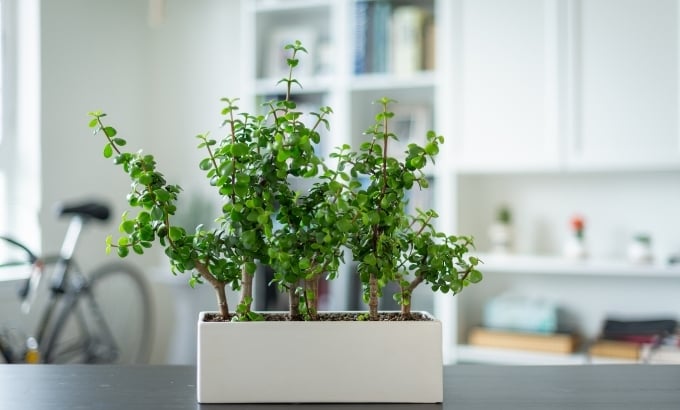
I still remember the first time I planted Lemon Balm in my herb patch. I was drawn by the fresh lemony scent, the softly textured leaves, and the promise of a plant that would offer more than just looks.
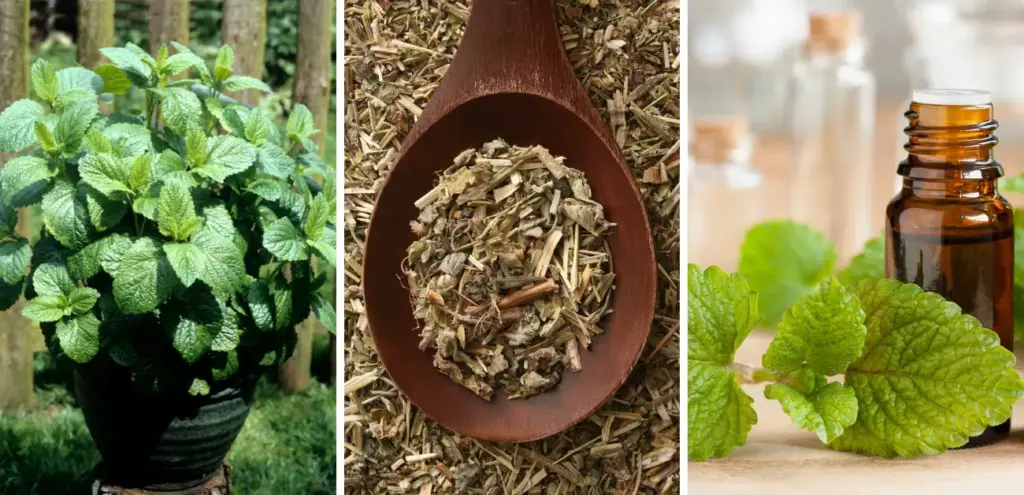
Over time, Lemon Balm has proven itself in so many ways: as an herb I reach for, a plant that draws in bees, a scent-booster for my garden, and a reliable performer. I want to share why I believe everyone should grow Lemon Balm — and how I make it thrive in my garden with simple, sensible steps.
Why I Choose Lemon Balm?
Here are the main reasons I keep coming back to Lemon Balm and why I make room for it in my garden.
1. It is Very Easy to Grow
From my experience, Lemon Balm welcomes beginners and seasoned gardeners alike. It tolerates a range of soils and conditions and still rewards you. I’ve planted it in lean soil, in a bigger herb bed, and even in a pot, and it always finds a way to thrive.
Tip: Choose a sunny or partly-shaded spot with well-draining soil. Lemon Balm does not fussy about perfection.
Why it works: It is hardy and adaptable, so you can dedicate less worry to it and still get results.
2. The Scent and Flavor Delight Me
Whenever I brush my hand through the leaves, the fresh lemony aroma lifts my mood. I use the fresh leaves in salads, herbal teas, dressings, and even desserts. Having this scent-herb at hand means I can bring a little sunshine to my plate and to my senses.
Tip: Harvest leaves just as the plant is established and enjoy them fresh, or dry for winter use.
Why it works: The essential oils in the leaves give that sharp citrus note you feel instantly.
3. It Draws Beneficial Insects
In my garden, I love plants that don’t just look nice but contribute to the ecosystem. Lemon Balm fits. The pale-coloured flowers invite bees, butterflies and other pollinators to visit my garden. When insects that help pollinate are around, the whole garden benefits.
Tip: Let some flower spikes remain so the insect guests arrive.
Why it works: A garden with plants that support wildlife tends to be healthier and more balanced.
4. It Offers Calming Herbal use
Beyond the kitchen, I’ve found Lemon Balm to be a go-to when I want herbal tea that relaxes me after a long day. I harvest a handful of leaves, steep them in hot water, and in minutes I have a gentle, soothing drink. It feels like I brought nature into the mug.
Tip: Use young leaves for best flavor; dry some ahead for winter use.
Why it works: Lemon Balm has a long tradition as a mild herbal remedy for relaxation, digestion and mild stress.
5. It Gives Texture and Fragrance to The Garden
When I place Lemon Balm in my herb border or near walkways, I notice how the leaves stand up, how the scent rises when you brush past. It adds fragrance and movement, not just color. The foliage itself adds interest and softness to the garden bed.
Tip: Plant it near a spot where you’ll walk by so the scent catches you.
Why it works: Smell and touch are under-used senses in many gardens — Lemon Balm brings them back in.
6. I Get a Gentle Pest-deterrent Effect
While not a miracle shield, I have noticed that Lemon Balm can help reduce some unwanted visitors. I’ve had fewer flying pests around the area where I plant it, possibly thanks to its scent. I pair it with other plants and it’s one part of a natural approach.
Tip: Crush a few leaves and rub on your skin if you’re outdoors; the citrus aroma can help as a mild repellent.
Why it works: Strong aromatic herbs often play multiple roles including pest-awareness or deterrence.
How I Grow Lemon Balm Successfully?
To get the best results from Lemon Balm, I follow these key steps and adapt them to my garden.
1. Choose the Right Location
I always place my Lemon Balm in full sun to part shade. In hot climates, I favour a spot that gets morning sun and some afternoon shade. In cooler zones I give it more sun.
Tip: Ensure the spot has good air circulation so the leaves remain fresh and healthy.
2. Prepare the Soil or Container
If planting in the ground, I ensure the soil drains well. I add some compost or aged organic matter to help the plant settle. In containers I use a good potting mix with drainage holes.
Tip: Space plants about 18-24 inches (45-60 cm) apart so they grow fuller over time.
Why it matters: Lemon Balm will spread a little and grow into a nice clump; giving it room avoids crowding.
3. Planting and Spacing
I plant when the danger of frost has passed (in my zone) and water in well. Over the seasons I allow the clumps to expand. I also keep some in containers if I want to limit spread.
Tip: If you prefer control, choose a large pot so the plant doesn’t wander into paths or other beds.
4. Watering and Feeding
During establishment I water regularly so the roots take hold. After that I reduce watering: I let the soil dry a little between waterings but don’t let it become bone-dry. In spring I may apply a light organic feed once or twice.
Tip: Avoid heavy fertilizing; too rich soil encourages oversized growth and weaker flavor.
Why it works: Moderate fertility and hygiene keep the plant vibrant and aromatic.
5. Harvesting and Maintenance
I harvest leaves often, which encourages new growth. I also trim back after flowering if I don’t want excessive self-sowing. If I see old, woody stems I prune to keep the clump fresh.
Tip: Cut no more than one-third of the plant at any time to keep it healthy. Dry leaves slowly for tea during cooler months.
Why it matters: Regular harvesting keeps the plant productive and more compact.
6. Containing Spread and Renewing the Clump
Because Lemon Balm can self-seed and spread, I keep an eye on its space. If it becomes too large or woody I divide it in early spring or autumn and replant the best parts.
Tip: Use a garden fork to lift a section, divide, replant or share with a friend.
Why it matters: A fresh clump means better flavor, more vigorous growth, less root-bound congestion.
Summary Table of Key Benefits
| Benefit | What I Enjoy |
|---|---|
| Easy to grow and forgiving | Works despite soil quality or minor neglect |
| Fresh lemon-mint aroma | Leaves scent and flavour enhance meals & tea |
| Attracts pollinators | Bees, butterflies visit and support my garden |
| Gentle herbal use | Tea for relaxation, mild digestion support |
| Textural and fragrant garden foliage | Visual structure and scent-moment near paths |
| Mild pest deterrent | Fewer flying pests; aroma helps outdoor comfort |
Common Myths and Realities I’ve Learned
I used to hear that Lemon Balm will over-run everything. Yes, it can spread, but I have found that with the right placement, container options and regular trimming it stays in good shape. It does not need to dominate.
I also learned that many resources say it only works in rich soil. I found that while better soil helps growth, Lemon Balm still thrives in moderate soil — what matters more is drainage, light and regular harvesting.
Finally, I discovered that people said you must pick the leaves before flowering for maximum flavor — and yes, the flavor is strongest then — but I also let some flower spikes remain for insects and then harvest after for a second flush of leaves.
Why I Recommend You Give It a Try?
When I look back at my herb garden I see Lemon Balm as one of the smartest additions I made. It rewards me with scent, herbs, insect-friendly flowers and simple garden presence.
It is reliable, low stress and full of returns. Because of that, I wholeheartedly recommend it. If you’re new to herb gardening or you already fill your beds with plants, give Lemon Balm space somewhere — you’ll thank yourself.
Final Thoughts
If you want an herb that offers more than you expect, one that grows without fuss, gives flavor, fragrance, and garden value — then I believe Lemon Balm is a top choice. By choosing the right spot, preparing soil, watering and harvesting sensibly, and managing its spread, you unlock its full potential.
I’ve used the nine steps and benefits I described to keep Lemon Balm thriving in my garden season after season. Bring it in, place it where you sense its presence, breathe its scent, harvest its leaves, and allow it to become one of your garden favorites too.