Most people notice dandelions only when they pop up in lawns and gardens. The bright yellow flowers may look simple, but the real treasure lies beneath the soil.
The roots of the dandelion hold nutrients, active compounds, and wellness properties that have been valued for centuries. While the plant is often labeled a weed, the root is recognized by herbalists as one of nature’s most useful gifts.
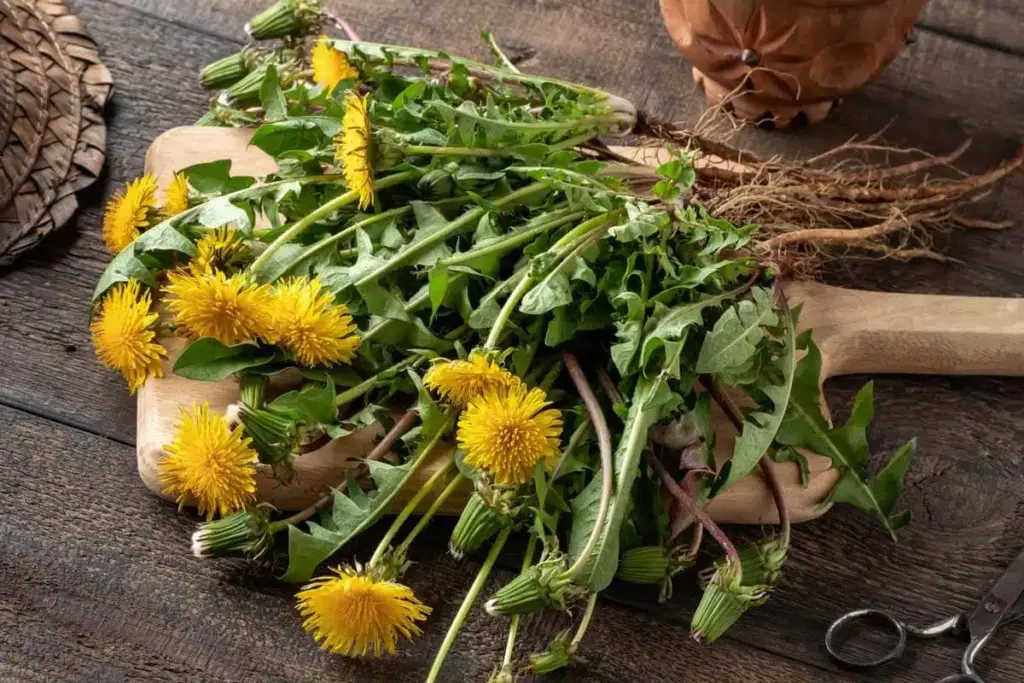
The more I studied the plant, the more I realized that the root carries benefits that support digestion, liver function, gut health, and overall balance in the body.
Below is a clear and complete explanation of what makes the dandelion root so powerful, how people traditionally used it, and how it can be integrated safely into daily living.
What Makes the Dandelion Root So Special?
The dandelion root grows deep into the soil. This allows the plant to absorb minerals and nutrients that other shallow rooted plants cannot reach.
These nutrients concentrate in the root and give it unique wellness properties.
Inside the root are natural fibers, antioxidants, vitamins, minerals, and plant compounds such as flavonoids and sesquiterpene lactones. These compounds have been studied for their potential to support health.
The root has also been used for generations in herbal traditions as a natural cleanser, digestive helper, and gentle tonic.
The depth and strength of the taproot make the dandelion plant incredibly resilient. That same strength translates into its value as a natural remedy.
Key Benefits of Dandelion Root
Many people are surprised to learn how many wellness areas the dandelion root may support. Here are the most recognized benefits based on traditional use and modern findings.
1. Supports Liver Health
Dandelion root has a long history of use as a liver friendly herb. It is believed to support the natural detox process by helping the liver remove waste more efficiently.
Many people drink dandelion root tea to support liver balance, especially after eating heavy foods or feeling sluggish.
2. Encourages Healthy Digestion
The root contains inulin, a natural prebiotic fiber. Prebiotics help feed beneficial bacteria in the gut, which supports digestion, reduces bloating, and promotes a healthy microbiome.
The bitter compounds in the root also gently stimulate digestive juices, helping the stomach and intestines work smoothly.
3. Helps Maintain Metabolic Balance
Some research suggests that dandelion root may help support stable blood sugar levels and healthy cholesterol balance. These effects come from its antioxidant content and its influence on how the body processes fats and sugars.
The root is not a cure, but it may support overall metabolic wellness when combined with healthy habits.
4. Rich in Antioxidants
Dandelion root is naturally high in antioxidants. These compounds help protect cells from free radical damage and may support the body during times of stress.
Antioxidants have been linked to healthier aging, improved skin appearance, and better immune balance.
5. Supports Kidney Function
Because the root can gently promote urination, it may help the body release excess water and support healthy kidney function.
This effect is mild compared to strong synthetic diuretics, which makes dandelion root an option for those looking for natural fluid balance support.
6. Helps Reduce Mild Inflammation
Many of the compounds in dandelion root may help calm mild inflammation in the body. People who use dandelion root tea often report feeling less heaviness in the stomach and more overall comfort.
How People Use Dandelion Root?
There are several ways to incorporate dandelion root into everyday routines. These methods vary in taste, strength, and convenience.
1. Dandelion Root Tea
This is the most common method. The dried root is simmered or steeped in hot water to bring out its earthy flavor.
Many people drink it before meals to support digestion or in the evening as part of a calming routine.
2. Roasted Dandelion Root
When roasted, the root develops a rich, coffee like flavor. Many people use roasted dandelion root as a caffeine free coffee alternative.
It offers the deep taste of roasted herbs without the stimulating effects of coffee.
3. Tinctures and Extracts
These forms provide a concentrated way to use the root. A few drops diluted in water offer a quick and convenient option for those who do not enjoy herbal tea.
4. Powder or Capsules
Some prefer powdered root or capsules for easy daily use. These forms make it simple to include the plant in smoothies or take it on busy mornings.
5. Cooking and Food Use
In certain cultures, the root is boiled, sautéed, or dried and included in soups, stews, or herbal blends.
This gives meals extra flavor and nutritional support.
Important Tips and Safety Considerations
Even natural ingredients deserve careful use. Here are practical reminders for anyone trying dandelion root.
1. Start Slowly
Dandelion root affects digestion, so it is best to begin with a small amount. A mild tea once or twice a week allows the body to adjust.
2. Watch for Sensitivities
Some people may experience stomach discomfort or loose stools, especially when first starting. Anyone with allergies to plants in the daisy family should also be cautious.
3. Stay Hydrated
Because the root may gently increase urination, drinking enough water is important to stay balanced.
4. Consult Before Use
People taking medication for blood pressure, diabetes, fluid retention, or liver conditions should consult a healthcare professional before regular use.
5. Choose Clean Sources
When harvesting wild dandelions, avoid areas exposed to pollution, roadsides, or pesticides. If buying processed products, choose reputable brands that test for purity.
How to Prepare Dandelion Root Tea at Home?
One of the easiest ways to experience the benefits of dandelion root is through a homemade tea. Here is a simple preparation method:
Ingredients
- 1 to 2 teaspoons dried dandelion root
- 1 and a half cups of water
- Optional honey or lemon for taste
Steps
- Place the dried root in a small pot.
- Add water and bring it to a gentle simmer.
- Let it simmer for 10 to 15 minutes to extract the flavor.
- Strain into a cup.
- Add sweeteners if desired.
This warm drink is earthy and grounding and can be enjoyed any time of day.
Why the Root is More Valuable Than the Flower or Leaves?
Although every part of the dandelion plant is useful, the root stands out for several reasons:
1. Higher Concentration of Active Compounds
The root stores nutrients and plant chemicals in greater concentration than the leaves or flowers. That is one reason the root is the highlight in herbal practices.
2. Stronger Digestive Effects
The bitter compounds that stimulate digestion are more abundant in the root. This is why it is often used to support gut balance and appetite.
3. Unique Prebiotic Fiber
Inulin is mainly located in the root. This type of fiber feeds beneficial bacteria and helps maintain a healthy microbiome.
4. More Stable for Drying and Storage
The root dries well and keeps its potency for a long time when stored properly. The leaves and flowers lose freshness much faster.
The Cultural and Historical Role of Dandelion Root
Dandelion root has been used across many cultures. Traditional herbal systems valued the plant for its ability to support internal balance and help the body release waste naturally.
It was commonly included in tonics, teas, and remedies meant to restore strength and vitality.
Farmers also appreciated its deep taproot because it loosened compact soil. In many regions, the plant was considered a symbol of resilience, nourishment, and cleansing.
Today, modern wellness practices still use the root for many of the same reasons.
Final Thoughts
Dandelion root deserves far more respect than it receives. What many people see as a simple backyard weed is actually a deeply nourishing plant with a strong history of traditional use.
The root contains important nutrients and compounds that may support digestion, liver health, metabolic balance, and overall wellness.
Used properly and thoughtfully, it can be a gentle, natural addition to a healthy routine.
Whether enjoyed as tea, taken as an extract, or prepared as roasted root, the benefits of dandelion root continue to gain recognition around the world.