
I never imagined that simply stacking a few rocks in my garden could transform it into a natural ecosystem. After years of battling pests with chemical sprays, I stumbled upon the idea of creating a rock stack for garden pest control.
Not only does it help manage unwanted insects, but it also attracts beneficial creatures like lizards, snakes, and toads.
Why a Rock Stack Works?
When I first read about rock stacks, I was skeptical. Could a pile of stones really affect the creatures in my garden? But nature proved otherwise.
Rocks absorb heat from the sun during the day and slowly release it after sunset, creating a warm environment that attracts reptiles and insects.
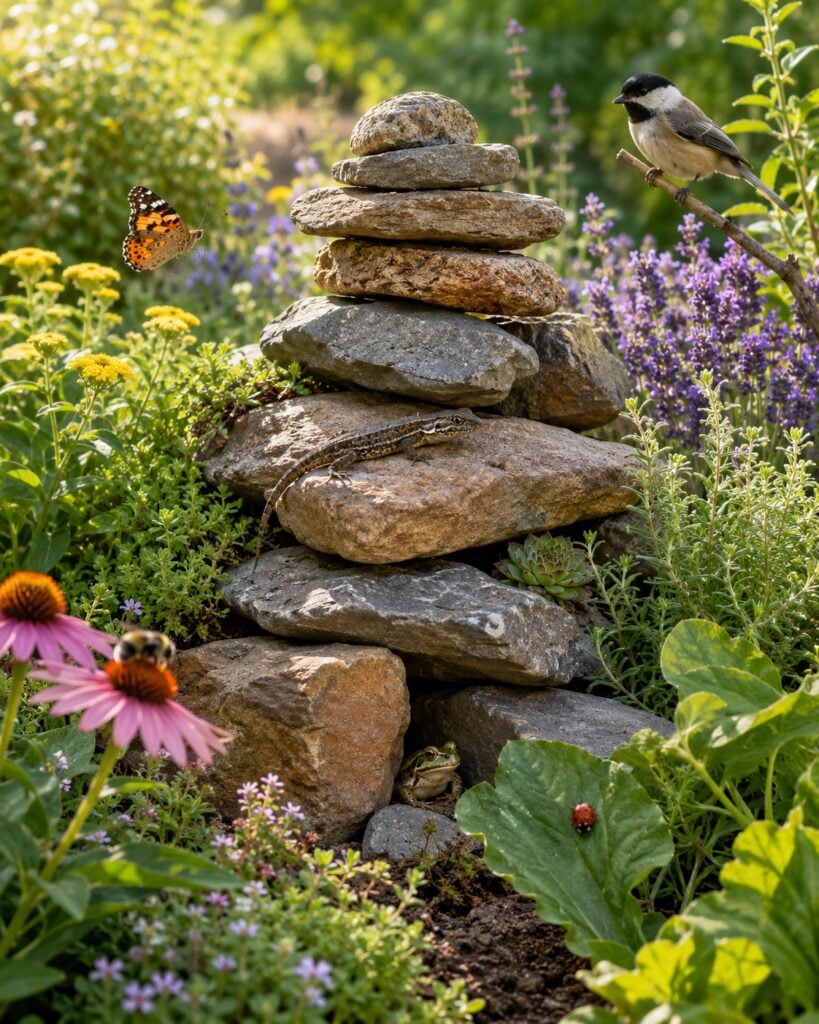
These animals, in turn, act as natural pest controllers.
A rock stack essentially becomes a tiny, self-sustaining ecosystem. By strategically layering 5-8 flat rocks, you create different chambers that accommodate a variety of species.
Choosing the Right Rocks and Location
The first step I took was selecting suitable flat rocks. Flat stones are perfect because they form stable layers while creating gaps that serve as chambers.
I picked rocks that were roughly 1-2 inches thick to maintain balance and allow enough air circulation.
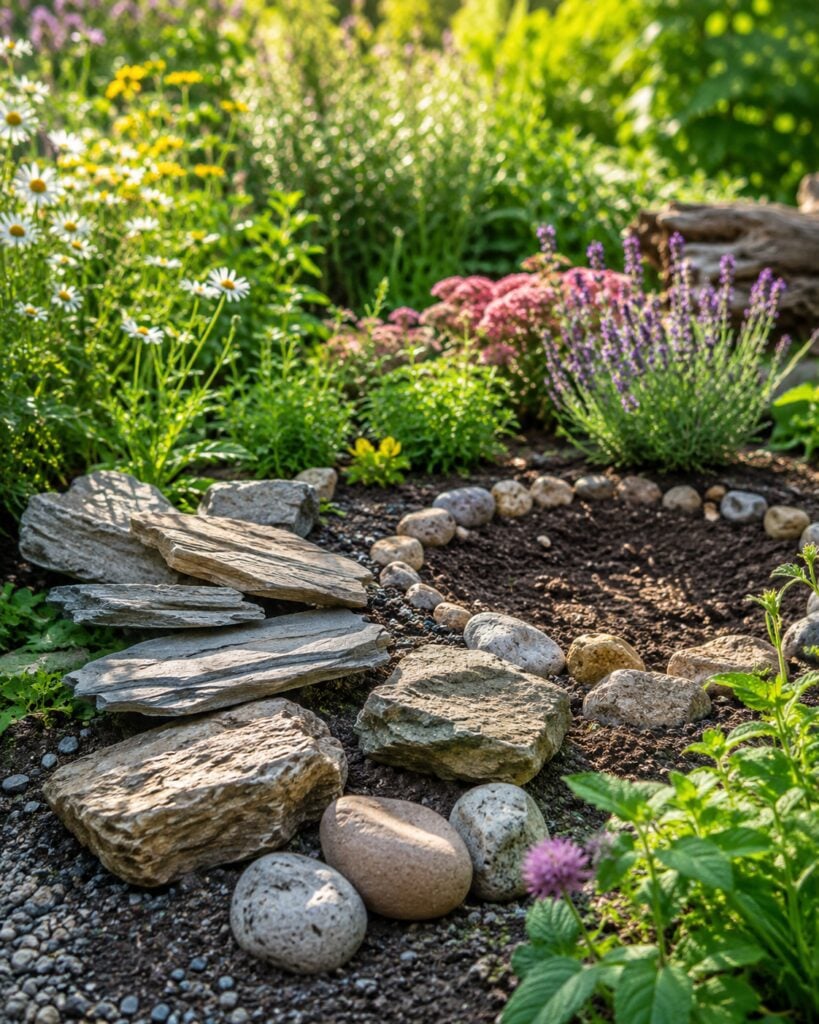
The location is crucial.
I chose a south-facing spot that receives morning sunlight. The rocks absorb heat quickly, warming the stack to an ideal temperature for reptiles and amphibians.
Positioning the stack near shrubs and garden borders also helps attract insects and small animals seeking shelter.
Constructing the Layers: Bottom to Top
Building the rock stack is surprisingly simple. I began with a sturdy base of larger rocks. The bottom chamber remains cool, dark, and moist, perfect for salamanders, beetles, and spiders.
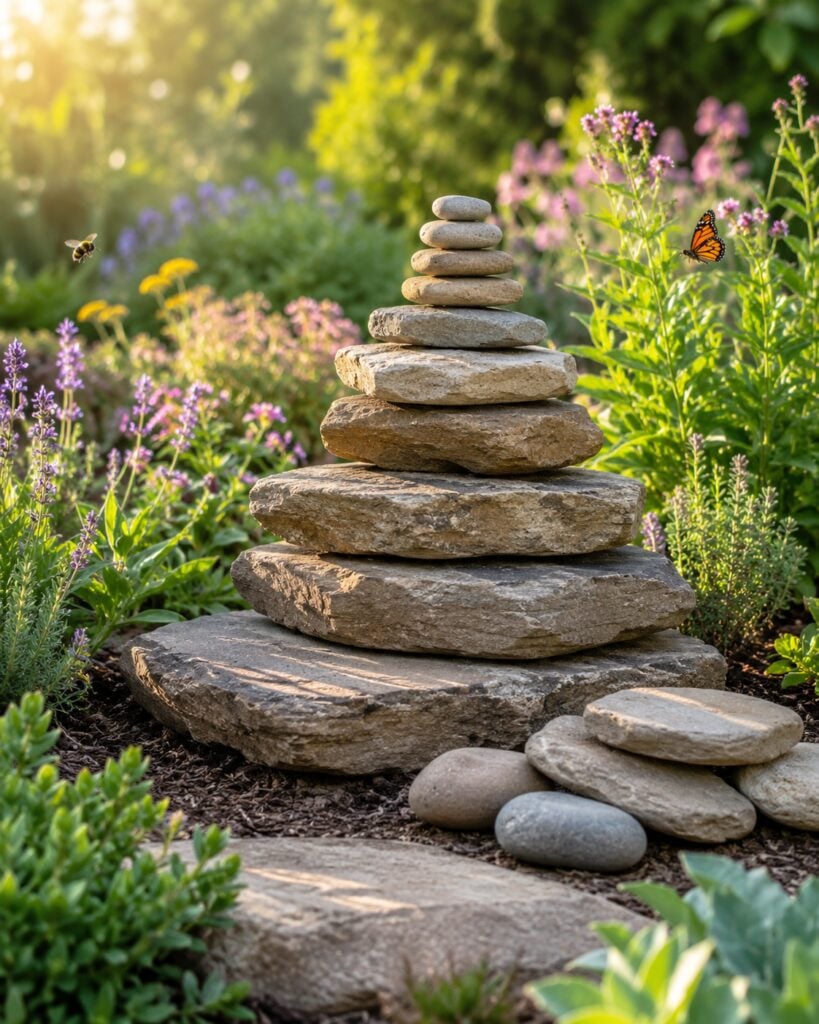
Above this, I created 1-2 inch gaps between layers to form intermediate chambers. These gaps allow small creatures like five-lined skinks to hunt insects while staying safe from predators.
The upper chamber, slightly warmer at around 85°F, offers a retreat for reptiles when the sun isn’t strong.
At the very top, I placed a basking rock that reaches 90-120°F under morning sunlight, ideal for garter snakes to regulate their body temperature.
Attracting Beneficial Species
One of the most exciting parts of creating a rock stack is observing the species it attracts. Within days, I noticed garter snakes arriving to feed on slugs, grubs, and rodents.
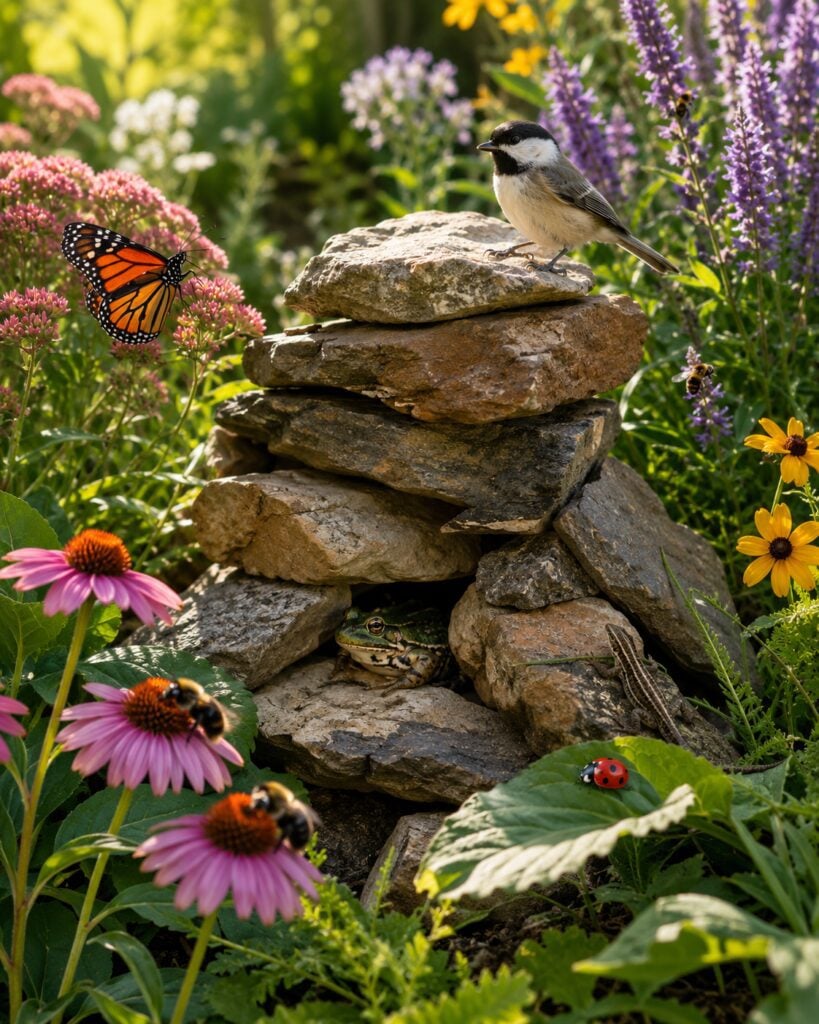
Juvenile five-lined skinks appeared, their blue tails flashing as they hunted insects. The American toad began using the bottom chamber as daytime shelter, emerging at dusk to consume 100 insects per night.
Each layer serves a distinct purpose, offering warmth, shelter, and hunting grounds for different creatures.
By stacking just five rocks, I effectively created a multi-species habitat right in my backyard.
Temperature Management and Sun Exposure
I learned that heat management is critical. The top surface heats up to 90-120°F in full morning sun, providing a basking zone. The upper chamber remains at 85°F, warm but protected, while the bottom chamber stays cool at around 65°F.
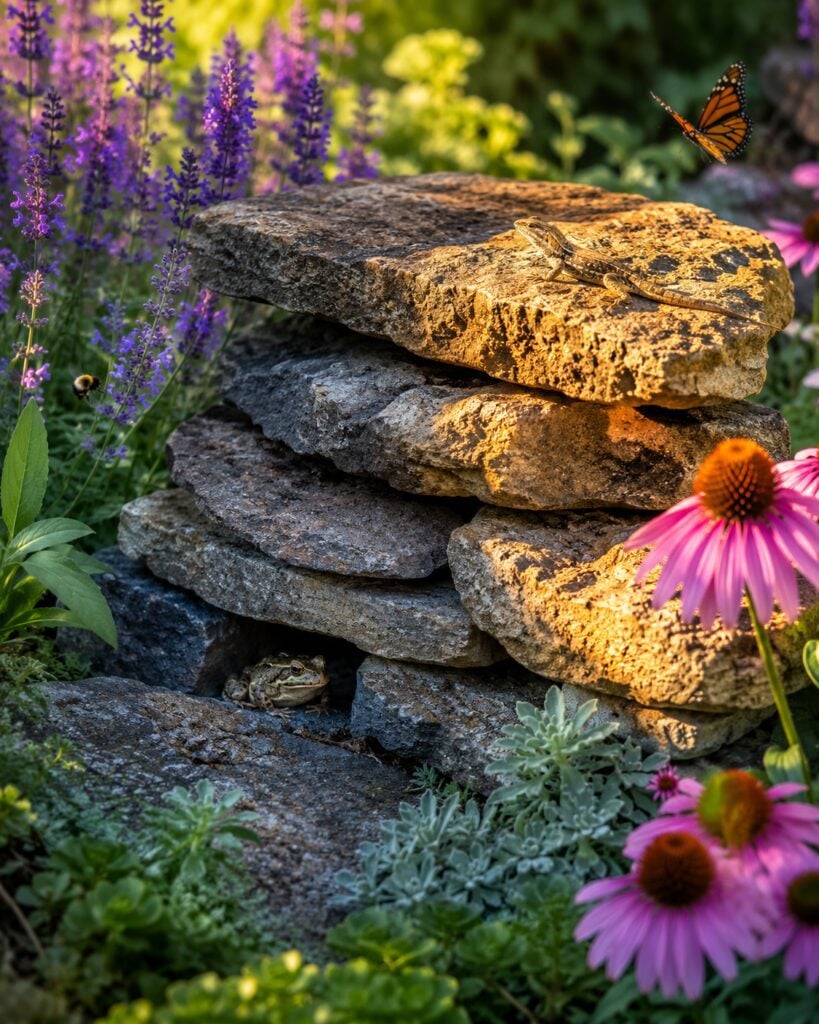
This temperature gradient allows species to choose their preferred microclimate. I also realized that a south-facing stack is essential.
Morning sunlight hits the stack directly, and the rocks radiate heat for 3-4 hours after sunset, extending the active period for reptiles. This natural warmth reduces the need for artificial heating or chemical interventions.
Maintenance and Observation
Building the rock stack was just the beginning. I found that occasional monitoring is important to ensure the structure remains stable. Checking for shifts or settling prevents collapses that could harm wildlife.
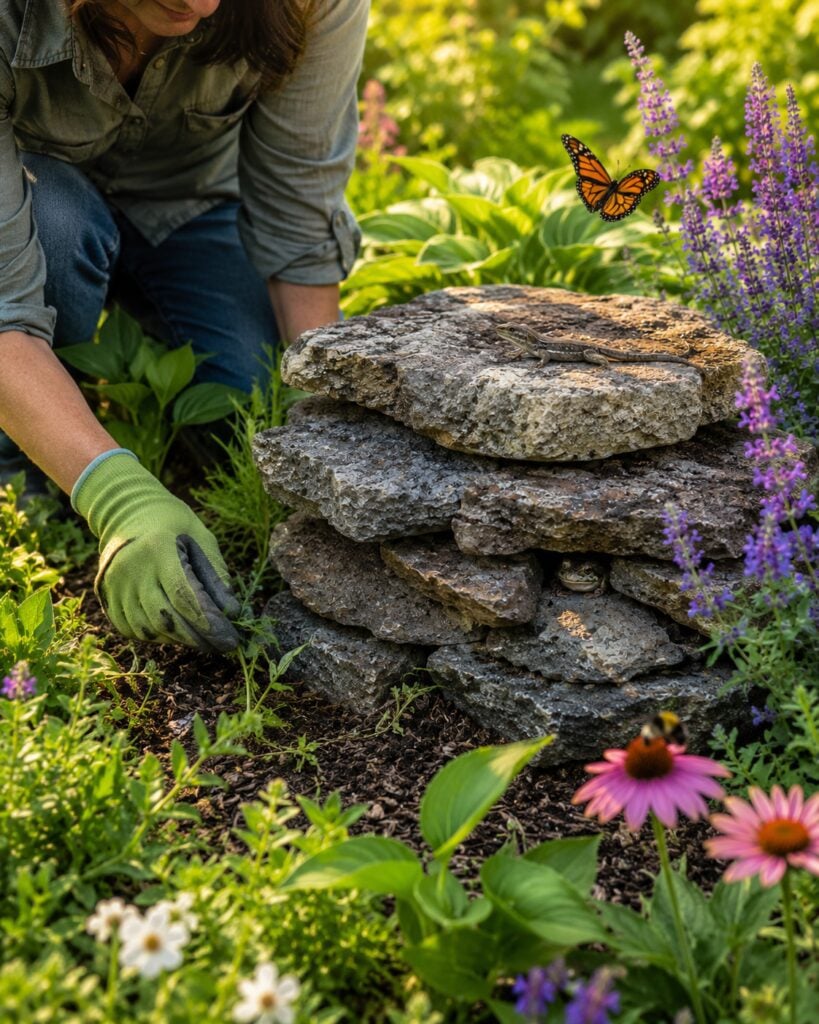
I also kept an eye on moisture levels in the bottom chamber; adding a small water source nearby helps amphibians thrive. The beauty of this system is its low maintenance.
Once established, the stack largely takes care of itself, providing a safe and productive habitat for beneficial insects and small animals that naturally control pests.
Supporting Your Garden’s Ecosystem
Before creating the rock stack, I relied heavily on pesticides, which often disrupted the balance in my garden. Now, with a rock stack in place, I observed a significant reduction in pest populations without any chemicals.
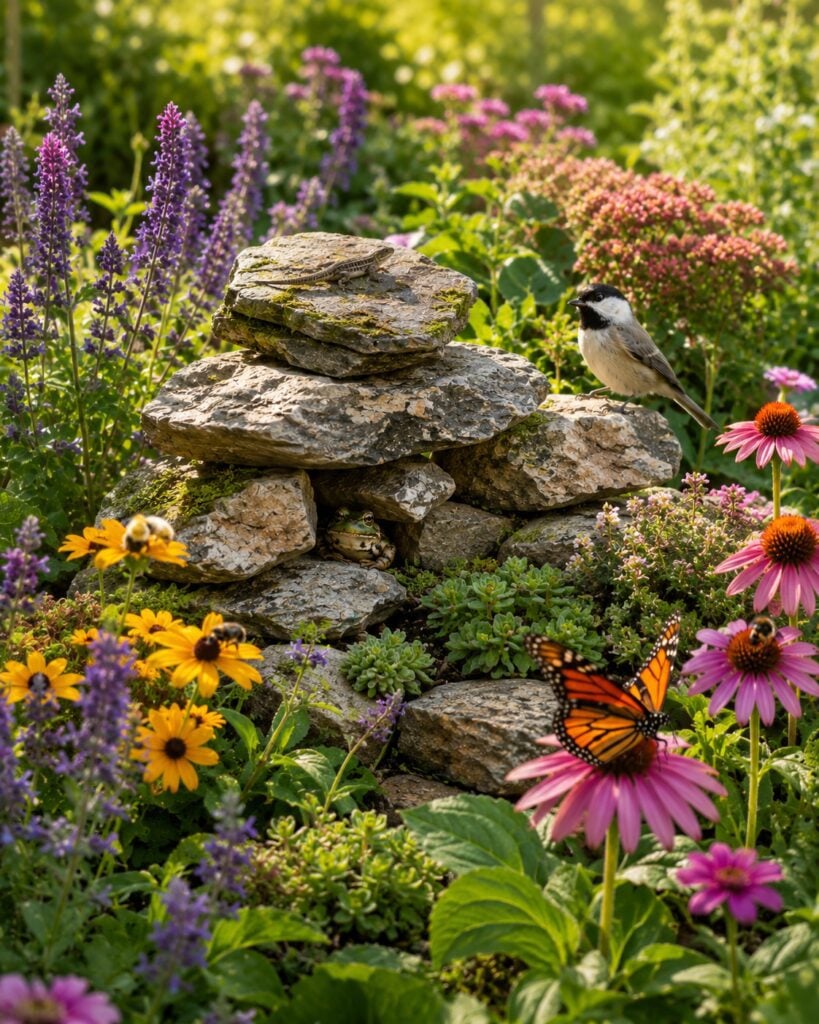
The stack acts as a mini pest control station while supporting biodiversity. You can even extend the system by placing multiple stacks near vegetable patches or flower beds.
The more habitats you provide, the healthier and more resilient your garden becomes.
Tips for a Successful Rock Stack
From my experience, here are some tips to ensure success:
- Use 5-8 flat rocks per stack, layering carefully to create stable chambers.
- Ensure 1-2 inch gaps between layers for air circulation and species movement.
- Place the stack in a south-facing spot to maximize morning sun exposure.
- Include nearby vegetation for cover and insect attraction.
- Avoid pesticides nearby to allow natural pest predators to flourish.
Following these tips helps the rock stack function effectively while creating a visually interesting feature in your garden.
Observing Wildlife and Enjoying the Benefits
One of the most rewarding aspects is observing the wildlife interactions. Garter snakes bask on the top rock, skinks dart in and out of the gaps, and toads take shelter at the base.
It’s incredible to watch the balance between predator and prey unfold naturally. Over time, I noticed fewer garden pests, healthier plants, and a vibrant ecosystem developing around the rock stack.
This experience confirmed that simple interventions, grounded in natural design, can have a profound effect on garden health.
Transform Your Garden Naturally
Creating a rock stack for garden pest control is a simple yet powerful way to enhance biodiversity, reduce pests, and enjoy the wonders of nature. From selecting the right rocks to arranging layers for warmth, shelter, and hunting zones, the process is intuitive and rewarding.
In just a short time, you’ll see the stack become a lively microhabitat, supporting over 30 species and providing a sustainable pest control solution.
If you’ve ever wanted to bring your garden to life with minimal effort, I highly recommend trying this approach.


