
The first time I paid attention to weeds instead of pulling them immediately, I discovered they were not random invaders but clear signals about my soil.
I used to think weeds were just a gardening problem. I would see them growing and assume I needed to remove them as fast as possible. But after years of trial and error in my own garden, I started noticing patterns.
Certain weeds always showed up in certain areas, and those areas always had the same soil issues. That is when I learned that weeds are actually natural soil testers.
They quietly reveal what is happening underground, from moisture levels to nutrient balance.
Why weeds are actually natural soil indicators?
The second thing I learned in my garden is that weeds do not grow randomly but respond directly to soil conditions.
Every plant has preferences. Some thrive in compacted soil, others in wet soil, and some only appear when nutrients are unbalanced. Weeds are especially good at this because they are adaptable and quick to colonize weak or imbalanced soil.

Instead of seeing them as enemies, I started seeing them as messengers.
When I stopped fighting them blindly and started observing them, my gardening improved dramatically. I could diagnose soil problems without expensive tests. The weeds were already doing the work for free.
1. Signs of wet and acidic soil
The third lesson I learned is that Curly Dock and Horsetail are strong indicators of waterlogged and acidic soil conditions.
When I first noticed Curly Dock growing in one corner of my garden, I thought it was just coincidence. But it kept returning in the same damp area. Horsetail appeared there as well, and that confirmed it.
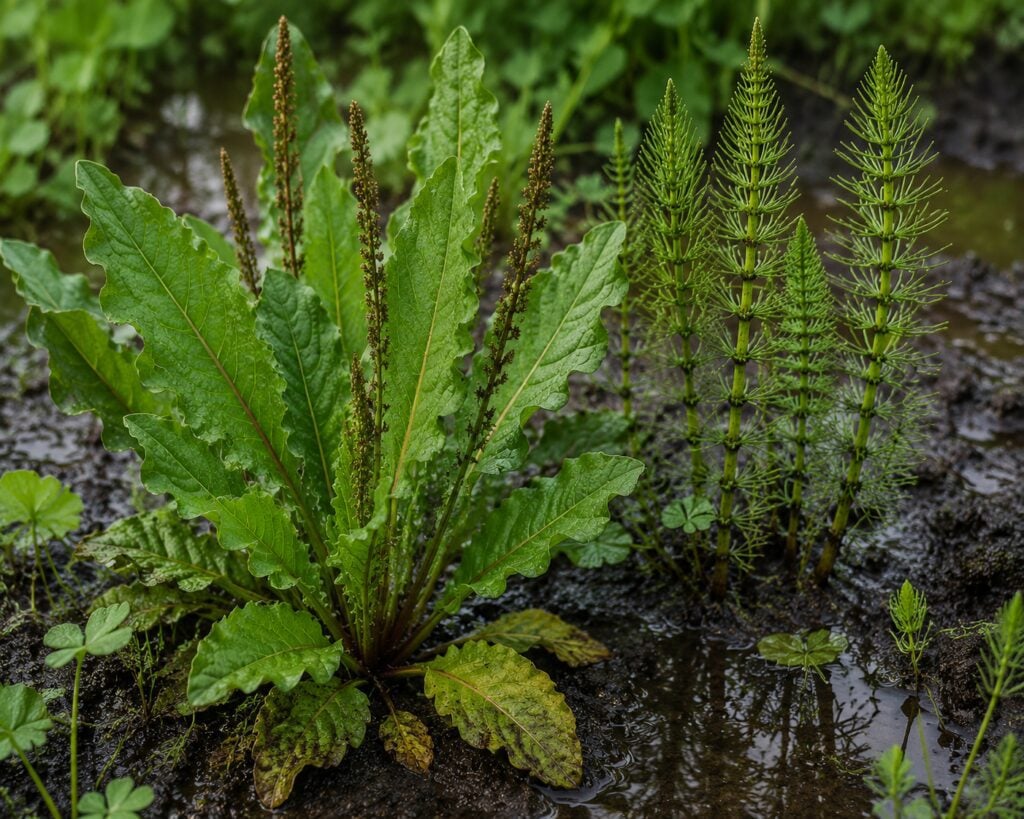
These plants usually thrive where water drains poorly and soil remains acidic.
In my experience, these weeds taught me that improving drainage was more important than fertilizing. Once I loosened the soil and improved water flow, both weeds reduced naturally.
I did not need chemicals, just better soil structure.
2. Signs of compacted and low calcium soil
The fourth thing I discovered is that dandelions and plantain are not just common weeds but clear indicators of compacted soil and calcium deficiency.
I used to see dandelions everywhere and feel frustrated. But over time, I noticed they often appeared in areas where the soil felt hard and dense. Broadleaf plantain showed up in the same spots, especially where foot traffic was high.
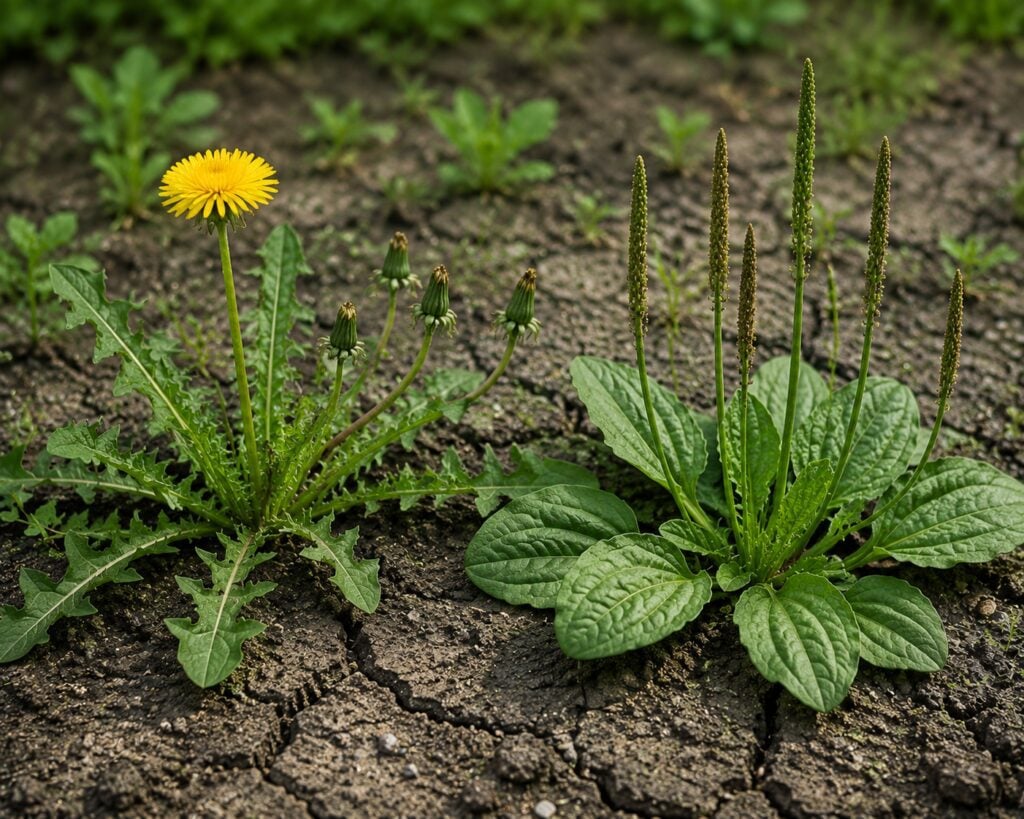
These weeds have deep taproots that break up compacted soil naturally. Instead of fighting them immediately, I learned to use them as soil repair tools.
When I improved aeration and added organic matter, their presence slowly decreased.
3. Signs of nitrogen balance and fertile soil
The fifth insight I gained is that clover and chickweed often reveal nitrogen levels and overall soil fertility.
In one part of my garden, white clover spread quickly, forming a soft green carpet. At first, I thought it was taking over. But I later learned that clover actually indicates low nitrogen levels and works to fix it naturally by pulling nitrogen from the air into the soil.
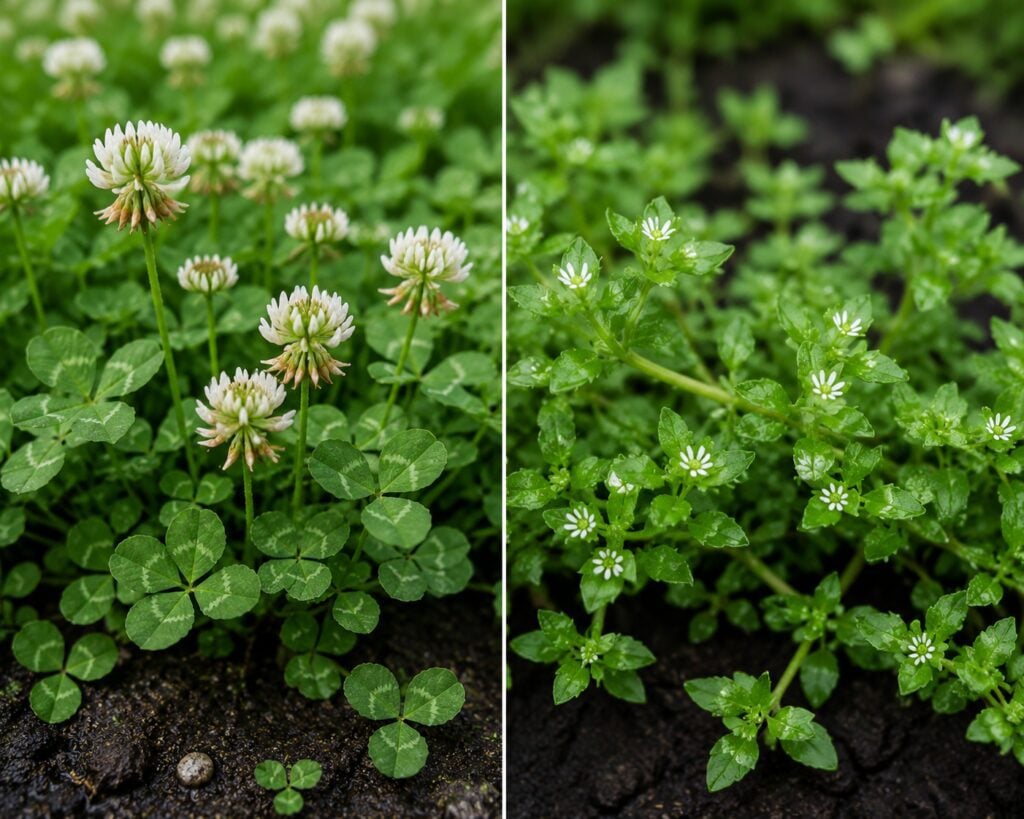
Chickweed, on the other hand, appeared in moist and relatively fertile patches. When I saw both, I understood that my soil was not poor, just uneven in nutrient distribution.
This helped me adjust composting rather than over-fertilizing.
4. A sign of rich, fertile, and balanced soil
The sixth observation I made is that lamb’s quarters usually appear where the soil is already healthy and rich.
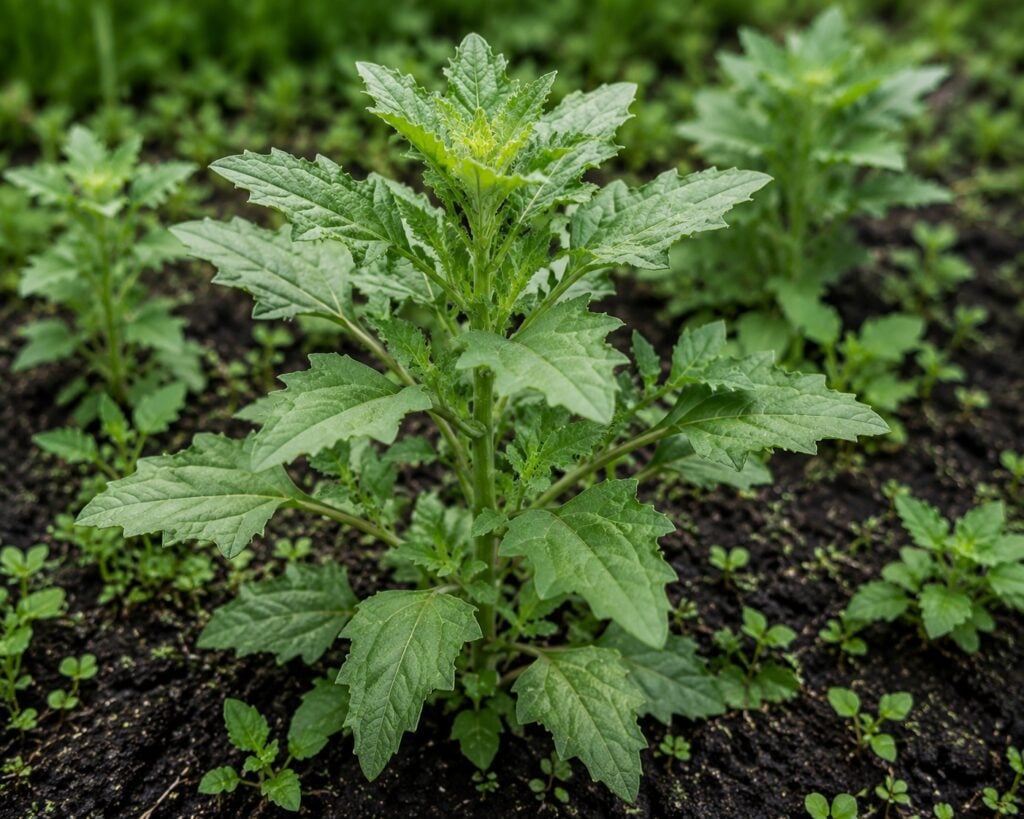
Whenever I found lamb’s quarters in my garden, I noticed the surrounding plants were also thriving. This weed does not usually grow in poor soil. Instead, it prefers nutrient-rich environments with good organic matter.
At first, I removed it like any other weed. But later I realized it was actually a sign that I was doing something right.
Now, I often leave a few as a natural indicator that the soil is improving.
5. A signal of acidic and low calcium soil
The seventh thing I learned is that wood sorrel is a strong indicator of acidic soil and low calcium levels.
Wood sorrel has a delicate appearance, but it is very specific in where it grows. I often found it in shaded, slightly acidic areas where other plants struggled.

Its presence helped me identify soil imbalance that I would not have noticed otherwise.
Once I started adding lime and organic compost in those areas, I noticed a gradual shift in plant health. Wood sorrel reduced, and more diverse plants began to grow.
6. A sign of dry and disturbed soil
The eighth insight I discovered is that purslane thrives in dry, compacted, and disturbed soil conditions.
Purslane always showed up in areas where I had recently tilled or where the soil was exposed and dry. It is a tough succulent-like weed that survives harsh conditions.
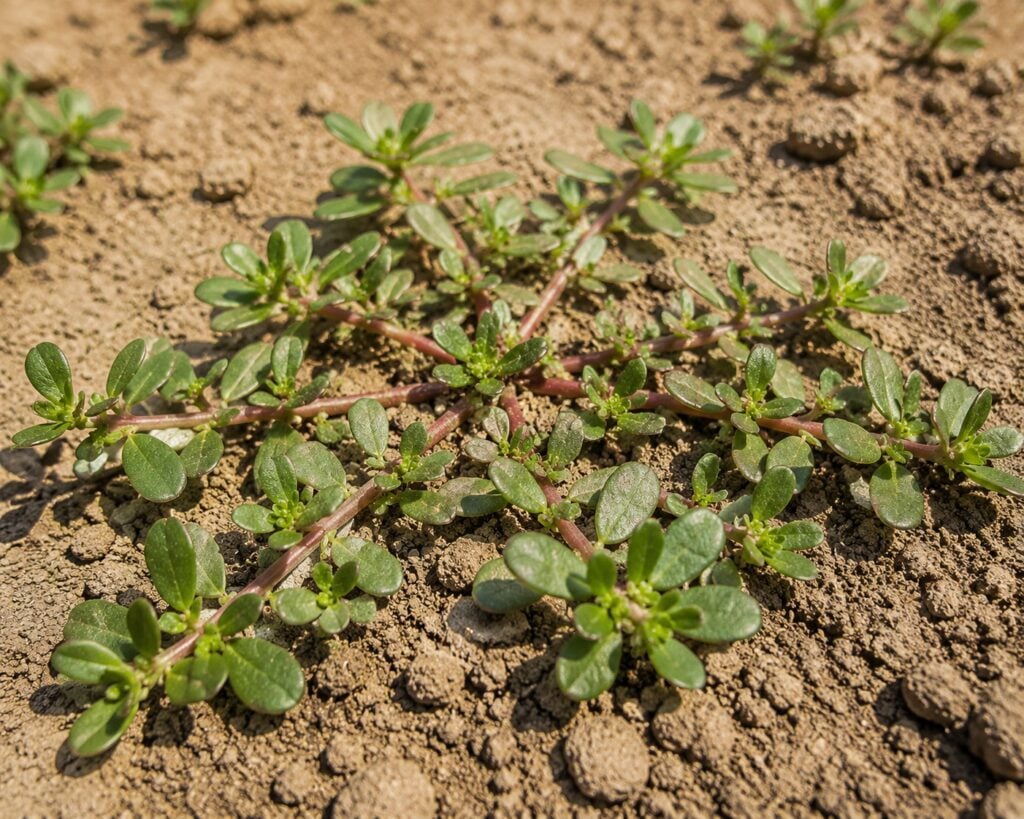
Instead of seeing it as a nuisance, I started understanding it as a signal that the soil needed protection and moisture retention. Adding mulch and ground cover helped reduce its spread over time.
How I now use weeds to improve my soil instead of fighting them?
The ninth and most important lesson I learned is that observing weeds has become part of my soil improvement strategy.
Now I no longer rush to remove every weed immediately. Instead, I observe patterns.
I ask myself why a certain weed is growing in a specific area. Is the soil too wet, too dry, too compacted, or lacking nutrients?
This simple shift changed everything for me. My garden became healthier because I started working with nature instead of against it. Weeds became my free soil diagnostic system, and I now use them to guide composting, watering, and soil conditioning decisions.
What my garden taught me about listening to nature?
The final thing I realized is that weeds are not problems but messages from the soil itself.
After years of gardening experience, I now see weeds as natural indicators that help me understand what is happening underground. Each weed tells a story about moisture, nutrients, or soil structure.
Once I learned to read these signals, I stopped guessing and started responding with intention.
Understanding soil indicator weeds has completely changed the way I garden. Instead of fighting nature, I now listen to it.


