
As someone who has raised chickens for several years, I’ve learned that observing your flock goes far beyond checking their feathers or combs. One of the most overlooked but crucial indicators of a chicken’s health is their poop.
Yes, chicken poop.
While it may seem unpleasant, paying attention to the textures and consistency of droppings can tell you a lot about their diet, stress levels, hydration, and even potential illnesses.
1. Dry and Crumbly Poop
When you notice your chicken’s droppings are dry, crumbly, and break apart easily, this often points to dehydration or heat stress. I remember one summer when my flock was particularly lethargic, and their droppings were unusually hard and fragmented.
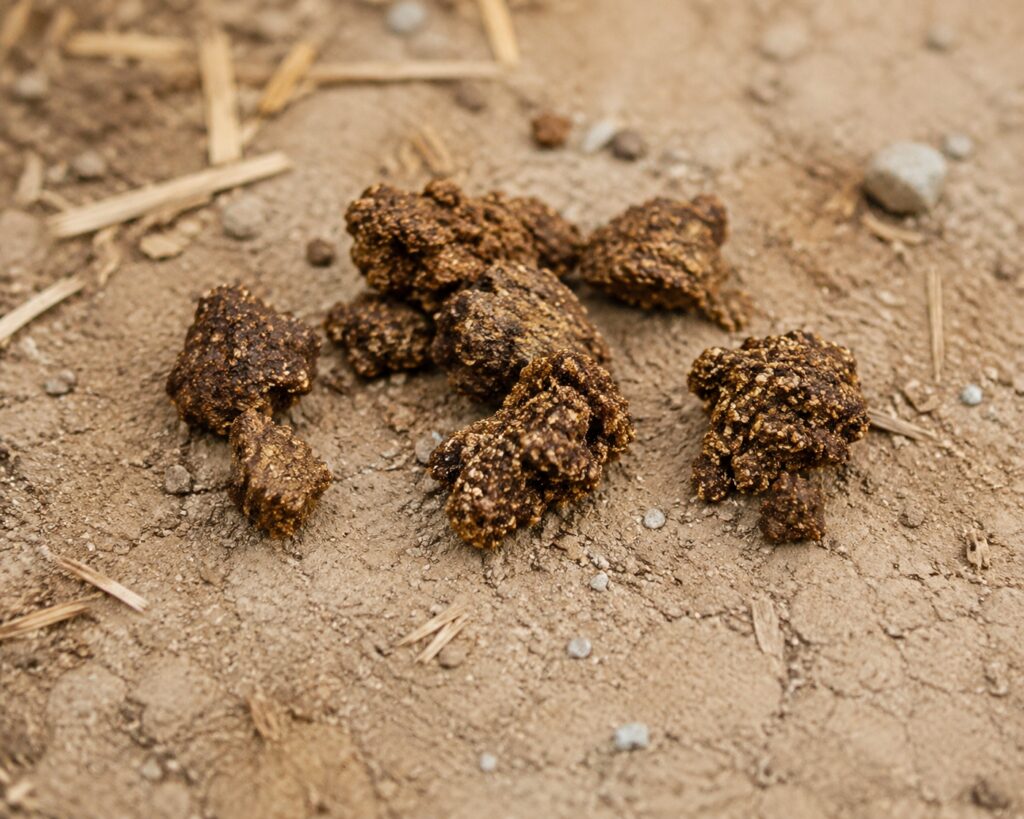
This was a clear sign that they weren’t drinking enough water or were struggling with the high temperatures.
Possible causes:
- Inadequate water supply.
- High heat or humidity causing stress.
- Sometimes excessive calcium intake can contribute to firmer stools.
What to do:
- Make sure fresh, clean water is available at all times.
- Provide shaded areas or fans in the coop during hot weather.
- Consider offering electrolyte supplements if dehydration persists.
Recognizing this early is key. If ignored, dehydration can lead to serious health problems, including kidney stress and lethargy.
2. Slimy Poop
Slimy, dark, and wet droppings often indicate gut irritation or an infection. I’ve seen this in my flock during seasonal transitions or when introducing a new diet.
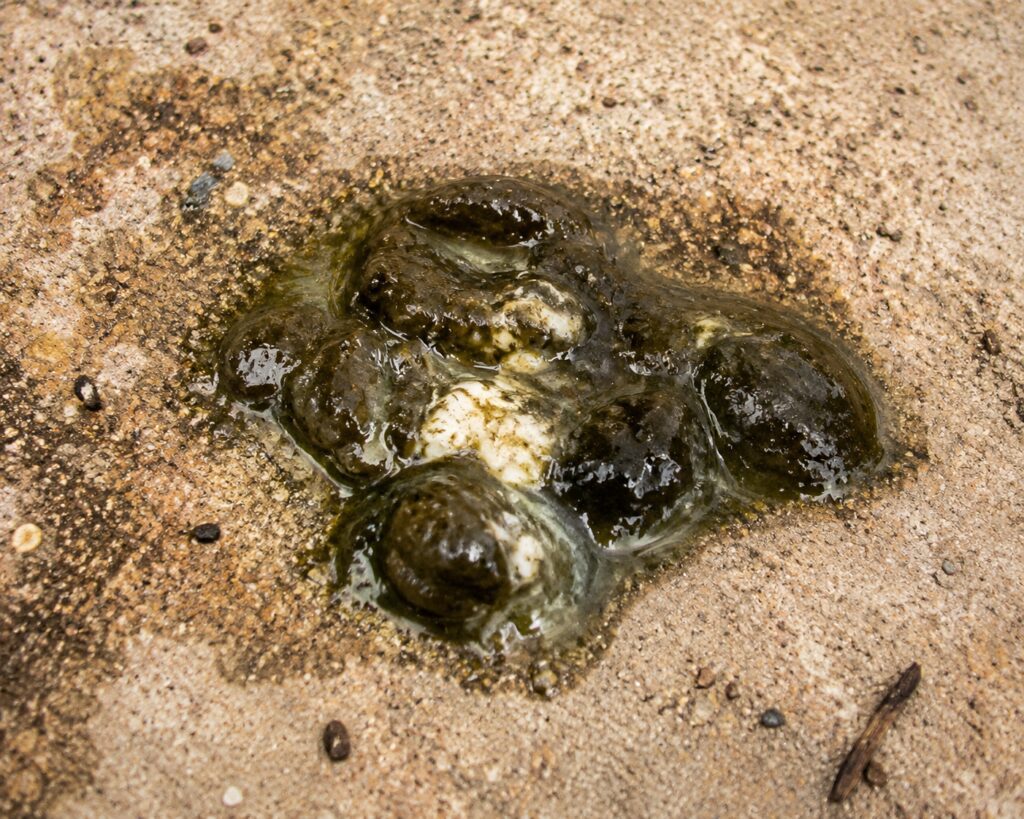
The droppings can appear almost like black mud and may stick to the vent area, making cleanup important.
Possible causes:
- Bacterial infections, such as Salmonella or E. coli.
- Viral infections like Newcastle disease.
- Sudden diet changes or spoiled feed.
- Stress due to predators, overcrowding, or environmental changes.
What to do:
- Isolate the affected chickens if multiple are showing symptoms.
- Review their diet and avoid sudden feed changes.
- Consult a veterinarian if symptoms persist or worsen.
- Maintain strict coop hygiene to prevent spreading.
A slimy texture is a red flag. Acting quickly can prevent infections from spreading throughout your flock.
3. Sticky Poop
When droppings are sticky or pasty, it usually signals poor digestion or that the chicken is consuming too much protein. I noticed this often after giving my hens high-protein treats like mealworms in large quantities.
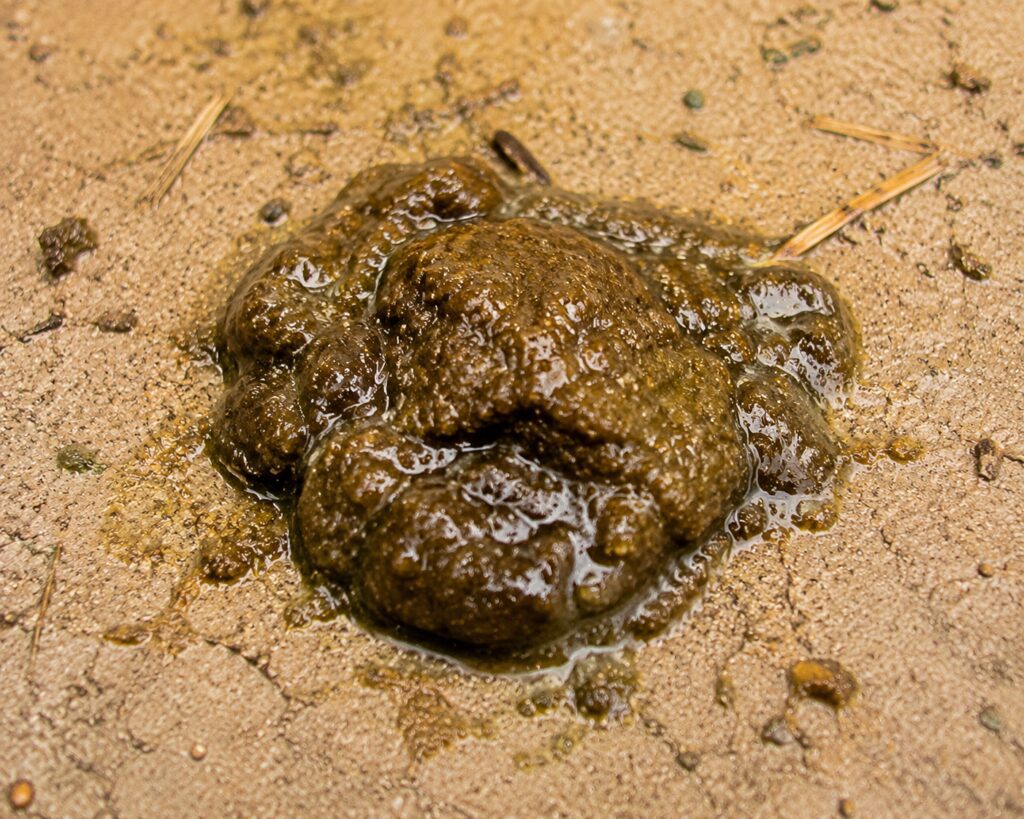
While protein is essential, too much at once can disrupt normal digestion.
Possible causes:
- Excessive protein in feed or treats.
- Inadequate fiber in diet.
- Stress affecting the gut microbiome.
What to do:
- Adjust their feed to balance protein with grains and greens.
- Limit high-protein treats and offer them gradually.
- Ensure chickens have access to grit to aid digestion.
Sticky droppings aren’t immediately dangerous, but if prolonged, they can indicate gut stress that may lead to other digestive issues.
4. Foamy Poop
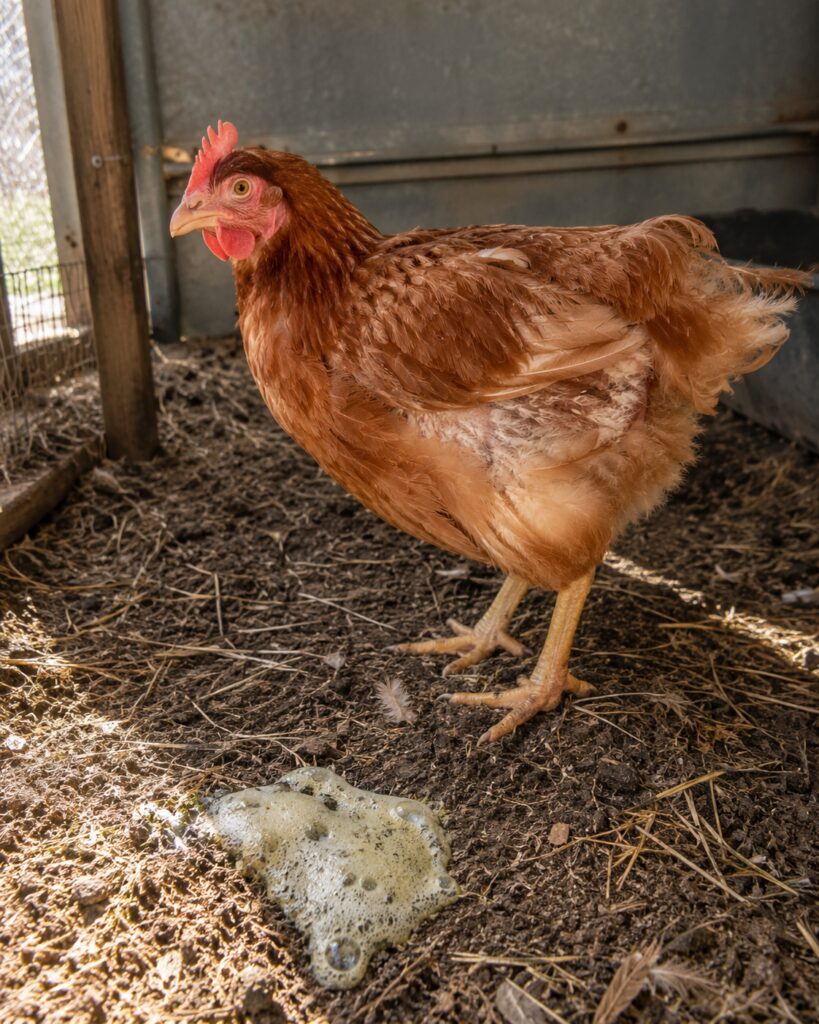
Foamy, light-colored droppings often indicate bacterial imbalance or stress. I first noticed this after introducing new chickens to the flock. The sudden social disruption seemed to affect their digestive systems.
Possible causes:
- Stress from new flock members, predators, or changes in environment.
- Imbalance in gut bacteria.
- Overuse of antibiotics or medications.
What to do:
- Reduce stressors and provide hiding spots.
- Introduce probiotics to support gut health.
- Monitor food and water intake closely.
Foamy droppings are usually temporary, but persistent cases should prompt closer investigation.
5. Gritty Poop
Gritty, coarse droppings indicate that feed is not being properly absorbed. Chickens need the right combination of digestive grit, enzymes, and feed consistency to efficiently process their meals.
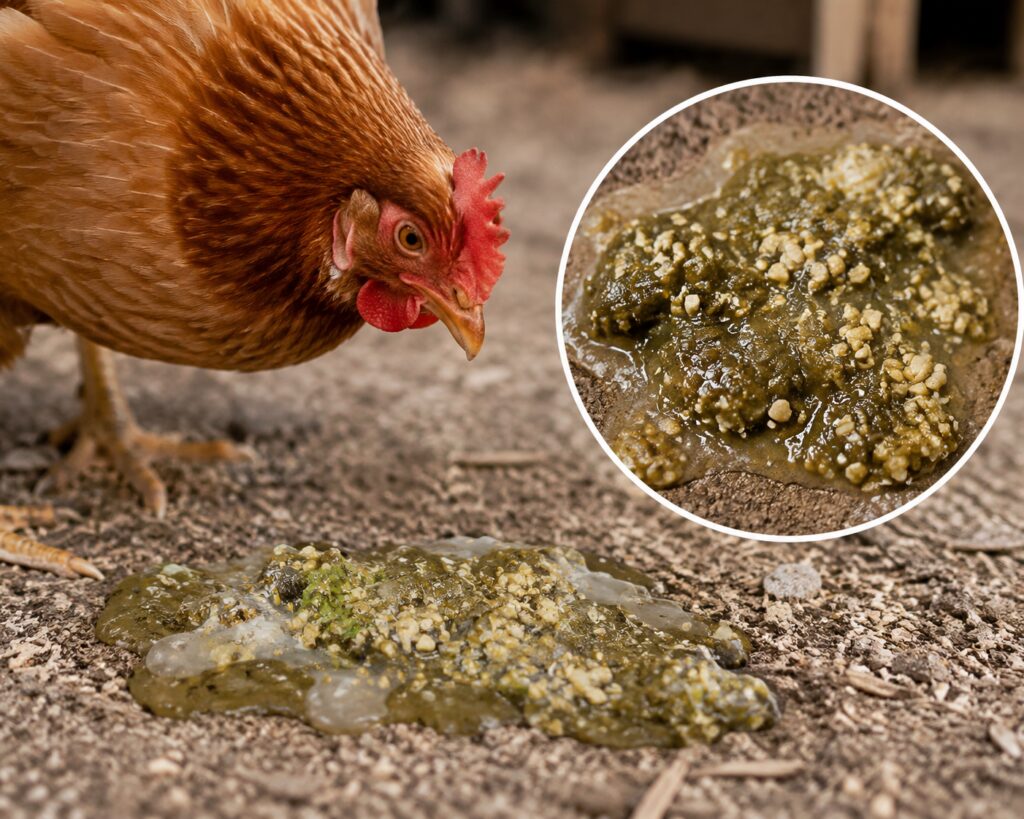
I’ve observed this most often when switching to new feed types without gradual transition.
Possible causes:
- Inadequate or improper grit.
- Digestive enzymes lacking in diet.
- Rapid dietary changes.
What to do:
- Provide insoluble grit for digestion.
- Transition feeds gradually.
- Ensure high-quality, balanced feed.
Properly absorbed feed results in firmer, well-formed droppings, so gritty poop is a useful signal that digestion needs attention.
6. Gel-Like Poop
Gel-like, dark, or mucous-filled droppings are a serious concern. They may indicate coccidiosis, a common parasitic infection in chickens, or other forms of inflammation.

I’ve dealt with coccidiosis in young chicks, and catching it early was crucial in saving the flock.
Symptoms to watch for:
- Chickens appear lethargic.
- Reduced appetite or weight loss.
- Vent area may be soiled due to sticky droppings.
- Droppings with mucus or unusual color.
What to do:
- Consult a veterinarian immediately.
- Use medicated feed or treatments as prescribed.
- Maintain strict hygiene in the coop to prevent spread.
- Quarantine affected chickens if possible.
Gel-like poop is never something to ignore. Early intervention can prevent severe health consequences, especially in young or weak birds.
Observing Patterns and Context
While individual droppings can tell a lot, patterns over time are more telling. I always keep a mental log of my flock’s droppings, noting changes after diet adjustments, seasonal changes, or when introducing new birds.
Consistency, both in texture and frequency, is key. Sudden changes, even if temporary, often point to stress, dietary issues, or health concerns.
Preventative Measures for Healthy Chicken Poop
Keeping droppings healthy isn’t just about observation; proactive measures can make a huge difference:
- Balanced Diet: Provide high-quality feed with the right protein, fiber, and vitamins. Avoid overloading treats.
- Clean Water: Fresh, clean water is essential for proper digestion and hydration.
- Grit and Supplements: Ensure chickens have access to grit for digestion and consider probiotics for gut health.
- Reduce Stress: Minimize overcrowding, predators, and abrupt environmental changes.
- Regular Health Checks: Routine check-ups and observing droppings can catch issues early.
I find that maintaining these practices not only keeps droppings consistent but also contributes to overall flock vitality, egg production, and lifespan.
Conclusion
Paying attention to chicken poop textures is one of the simplest yet most powerful tools in a chicken keeper’s toolkit. From dry and crumbly signs of dehydration to gel-like indications of coccidiosis, each type tells a story about your bird’s health, diet, and environment.
By observing, interpreting, and responding promptly, I’ve been able to prevent minor issues from becoming serious problems.
Remember, chicken poop isn’t gross; it’s information.
Treat it as a window into your flock’s well-being.
With diligence, balanced nutrition, and attentive care, you can ensure your chickens are healthy, happy, and productive.


