
Transforming your front yard from an overgrown, neglected space into a beautiful, welcoming garden can seem like a daunting task.
But I can tell you from personal experience that with the right approach, it’s entirely possible to achieve an amazing transformation; even on a budget.
Step 1: Assessing the Current State of Your Yard
Before jumping into any garden transformation, it’s important to take a good look at your yard.
Ask yourself questions like: What works? What doesn’t? What are the main problems with my current space?
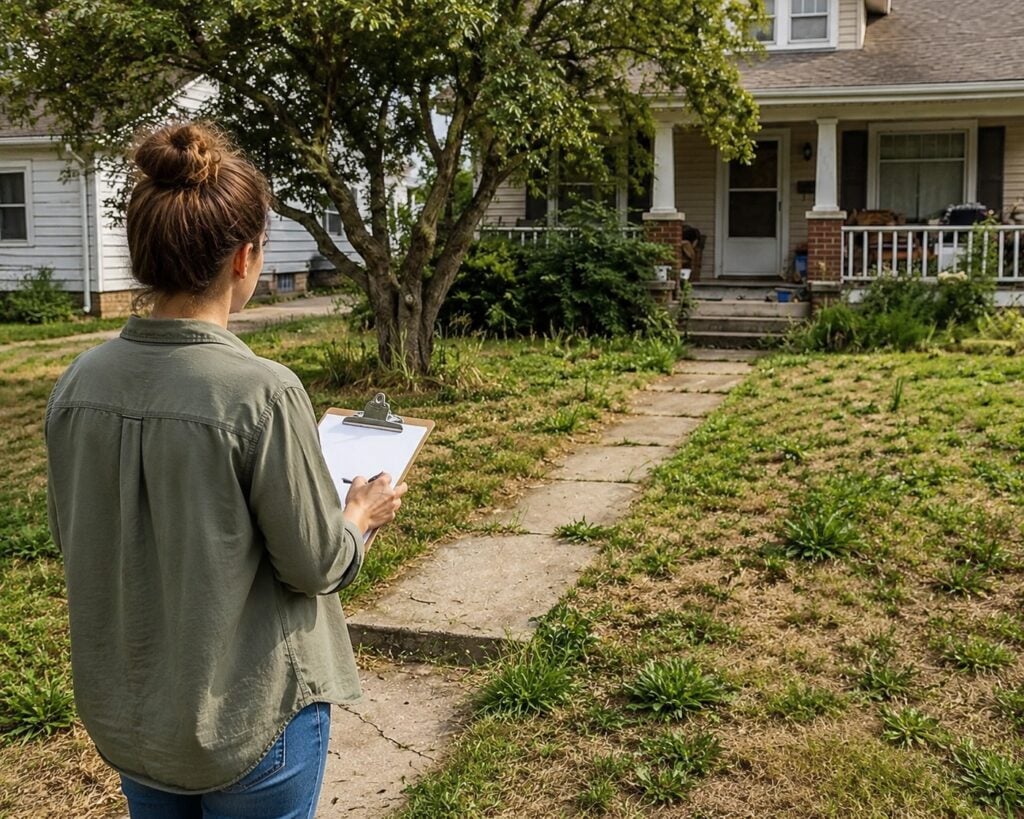
This is the first step I took before starting my front yard project. I realized that the main issue was an overgrown lawn with sparse flower beds and little to no structure.
This made the space feel uninviting.
Step 2: Plan the Layout and Design
Once I had a clear idea of what needed fixing, I sat down and made a rough sketch of the layout I wanted for the yard. I decided to break the space into sections with a defined path leading to the front door.
Adding flower beds on both sides of the walkway seemed like a great way to give the yard a more polished look.
I also planned for different types of plants: colorful flowers for vibrant curb appeal, low-maintenance perennials for long-lasting results, and even a few shrubs for structure.
When planning your design, make sure to keep in mind factors like sunlight, soil type, and how much maintenance each plant will require.
I researched plants that thrived in my region and chose ones that were not only beautiful but also suitable for my yard’s conditions.
Step 3: Clear Out the Old and Start Fresh
This is the part that can feel like the hardest work, but trust me, it’s so worth it. I spent a whole day clearing out the old plants, weeds, and grass that didn’t fit into the new design.
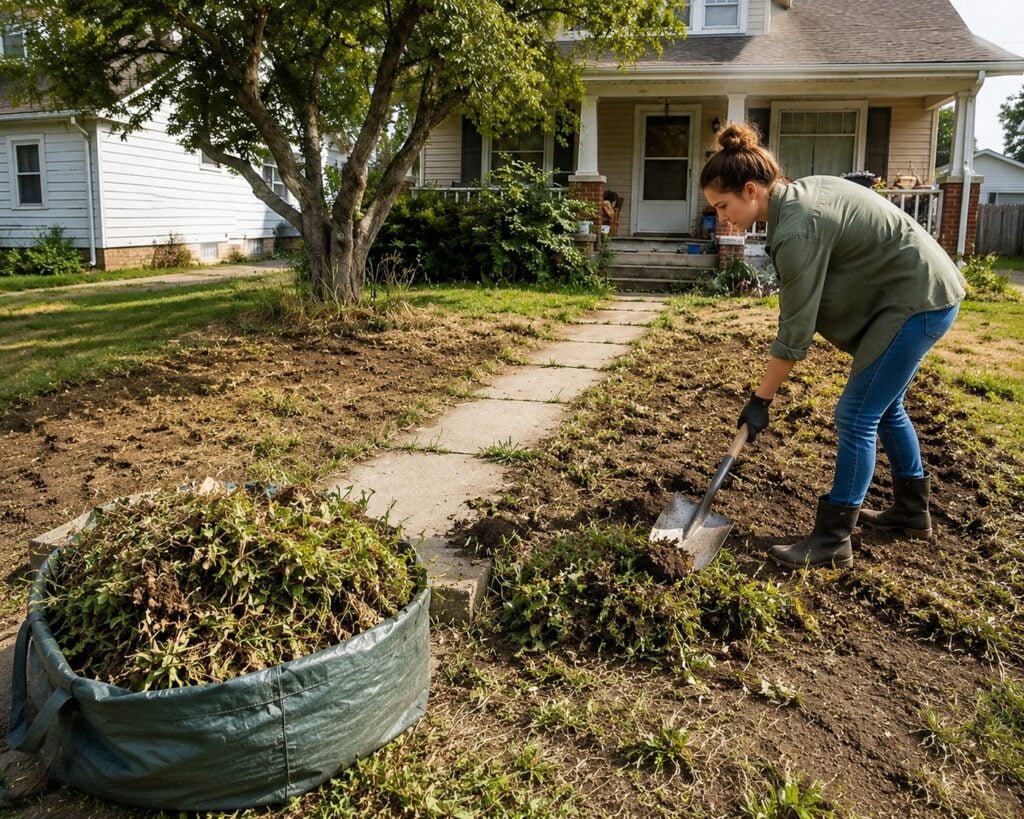
You might want to rent a sod cutter to remove large patches of grass or use a shovel to dig up stubborn weeds. Don’t forget to compost the plant material you remove!
It’s a great way to reduce waste and create nutrient-rich soil for your future garden.
Step 4: Improve the Soil
Healthy plants start with healthy soil. I spent time improving the quality of the soil in my front yard by adding compost and organic matter. I mixed in a few bags of compost to enrich the soil and added mulch to retain moisture and prevent weeds.
The soil in my yard had been compacted and lacked nutrients, so this step was essential. After mixing everything in, I made sure to level the ground and prepare it for planting.
If you’re unsure about your soil’s quality, it’s worth getting it tested.
A local garden center or university extension office often provides soil testing services.
Step 5: Choose Plants that Suit Your Design and Budget
One of the best decisions I made was choosing plants that would complement my design but also fit my budget. I focused on hardy, low-maintenance perennials that would come back year after year.
Some of my favorites included lavender, peonies, and daylilies.
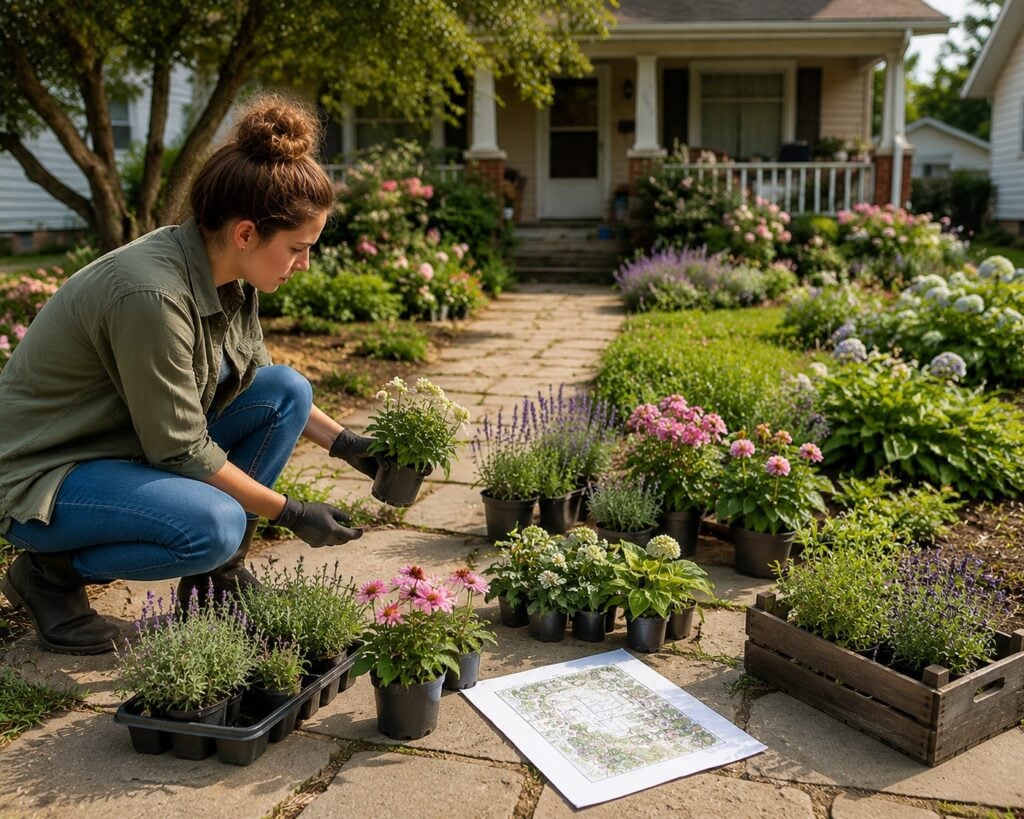
These plants are not only beautiful but also thrive in a variety of climates.
I also incorporated a few annual flowers for pops of color, and I used shrubs to create structure along the walkway.
By choosing plants that suited my climate and yard conditions, I was able to create a lush garden without spending a fortune on high-maintenance plants.
Step 6: Create a Beautiful Pathway
A beautiful walkway can really elevate the look of your front yard. I opted for a natural stone path to lead visitors from the sidewalk to the front door. The stones created a rustic feel that complemented the surrounding garden.
While installing the pathway, I also made sure to add a border of plants along the edges to soften the look and make the path blend naturally into the garden.
When planning your walkway, consider using materials that fit your budget. You can use gravel, stepping stones, or even repurpose old bricks or pavers you already have around your yard.
The key is to create a path that feels welcoming and connects the different elements of your garden.
Step 7: Mulch and Water Wisely
Mulching was a crucial step in conserving moisture and keeping the weeds at bay. I applied a thick layer of mulch around my plants and along the walkway.
Not only did this help the plants retain moisture, but it also gave the garden a neat, tidy appearance.

When it came to watering, I invested in a simple drip irrigation system.
This ensured my plants got consistent water without wasting it. I found that watering in the early morning or late evening helped reduce evaporation, so I didn’t have to water as often.
Step 8: Add the Final Touches
Once the plants were in the ground and the path was set, I added some finishing touches to complete the transformation. I placed decorative garden items like small sculptures and bird baths in strategic spots.
I also made sure to add some colorful garden furniture on the porch to create a cozy atmosphere where I could enjoy my newly transformed space.
Adding these small details really made a difference in how my front yard looked.
Whether it’s a hanging planter, a garden gnome, or a small bench, these little touches can add personality and charm to your garden.
Step 9: Maintain and Enjoy Your Beautiful Garden
Now that the transformation was complete, it was time to enjoy the fruits of my labor. But a beautiful garden requires ongoing care to keep it looking its best.
I made sure to regularly water, weed, and prune the plants to help them thrive.
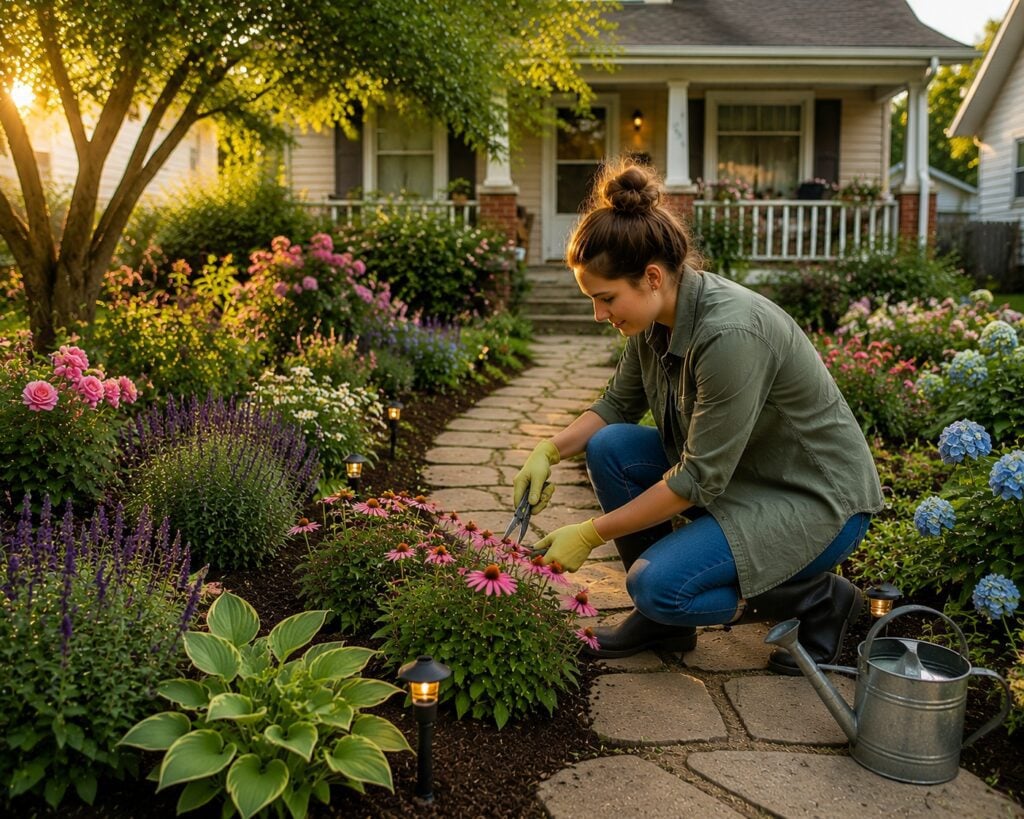
Throughout the seasons, I kept adding new plants and flowers to keep the garden fresh and interesting.
I also recommend doing a seasonal cleanup to remove dead plants and refresh the soil. The more time and care you invest in your garden, the more rewarding it will be.
The Power of Transformation
Transforming your front yard is an incredibly rewarding project, and it doesn’t have to cost a fortune.
By following these steps, you can turn an uninspiring space into a lush, inviting garden that adds value to your home and brings you joy.
Whether you’re aiming for a traditional flower garden, a low-maintenance landscaping solution, or a vibrant vegetable patch, the possibilities are endless.
The key is to plan ahead, choose the right plants for your space, and enjoy the process of watching your garden grow and thrive. Happy gardening!


