If you’re anything like me, you’ve spent hours trying to figure out why your Monstera plants aren’t thriving as expected. I’ve learned that the secret doesn’t just lie in watering schedules or light conditions—it’s in the soil.
Monstera plants need a soil mix that mimics their natural tropical environment: airy, nutrient-rich, and well-draining.
Today, I want to share my go-to Monstera soil mix that has transformed my plants from struggling to stunning.
1. 10% (Potting Mix and Worm Castings)
I start with a high-quality potting mix, making up about 10% of the overall soil. What I love about using a small portion of potting mix is that it provides a balanced base with essential nutrients while maintaining a light texture.
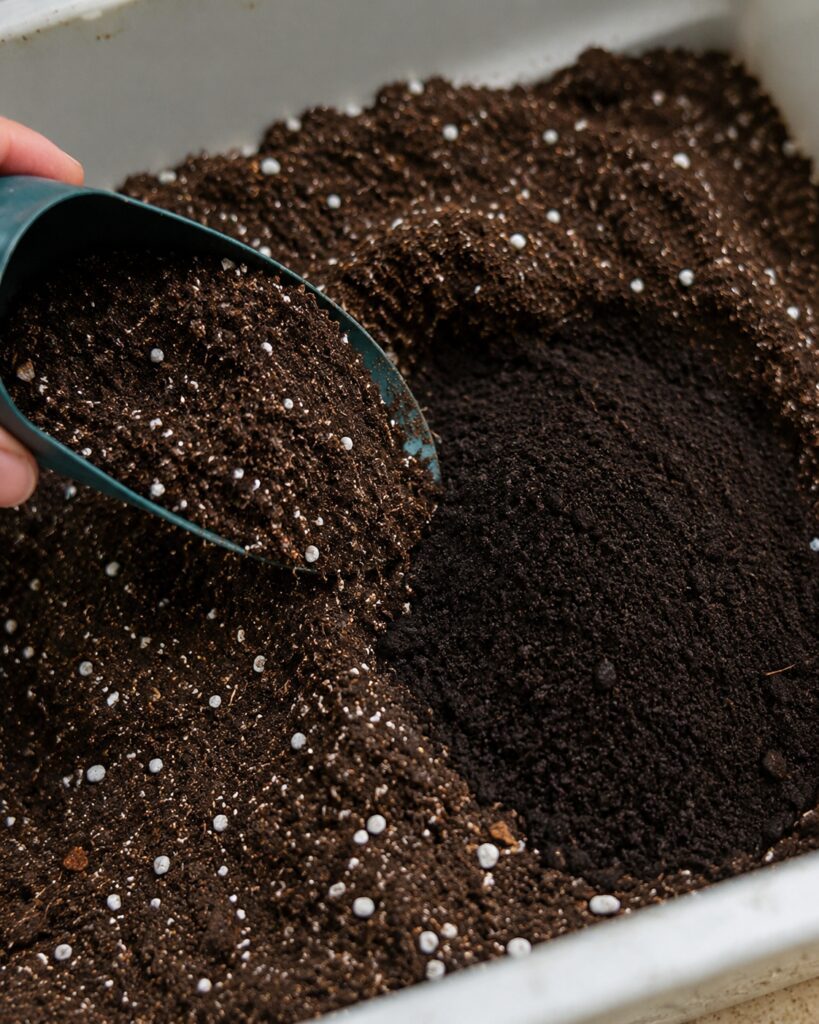
To this, I add worm castings, which are my secret weapon. Worm castings enrich the soil with organic nutrients and beneficial microorganisms, giving the roots a healthy environment to grow.
I’ve noticed that Monstera roots spread faster and appear more robust when worm castings are part of the mix.
2. 25% (Orchid Bark and Bark Chips)
Next, I incorporate 25% orchid bark or bark chips. This component is crucial because it mimics the natural forest floor where Monsteras typically grow.
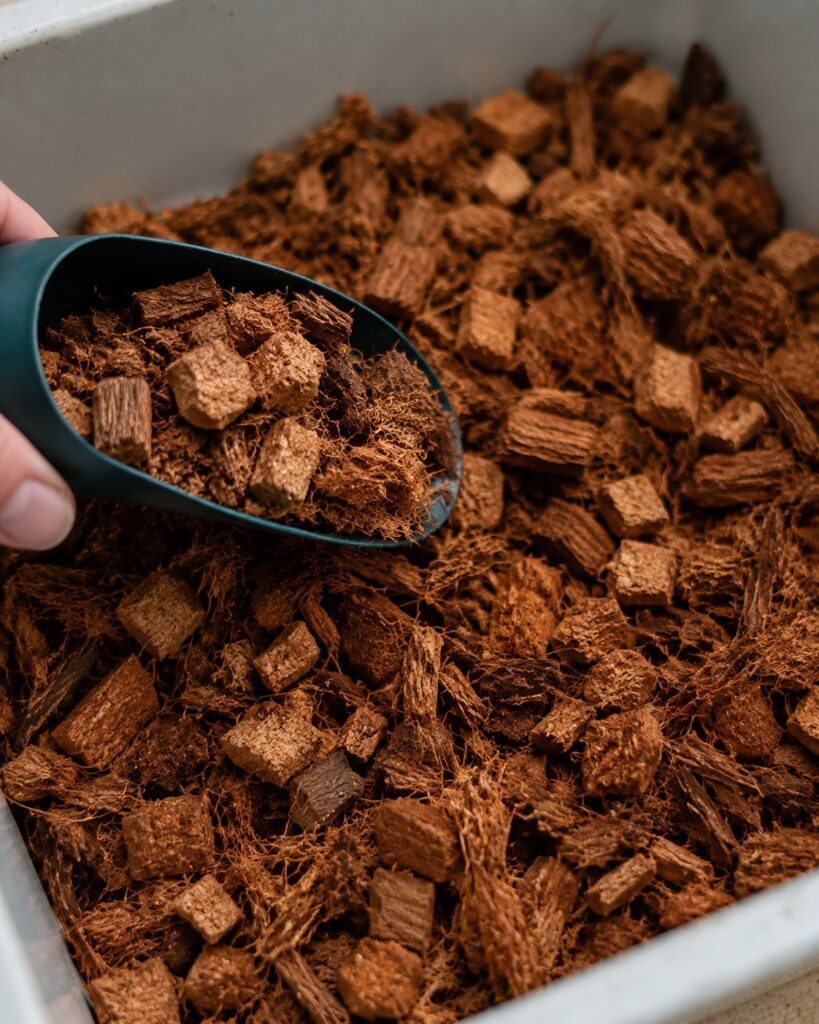
The bark provides excellent aeration and ensures the soil doesn’t compact over time. When I first started adding bark chips, I noticed an immediate improvement in water drainage.
No more soggy roots or fungal issues. It also helps the soil stay slightly acidic, which Monsteras enjoy.
3. 20% (Coconut Coir)
Coconut coir is a versatile component in my soil mix, making up 20%. I prefer coir because it holds moisture well but still allows air to reach the roots.
Unlike peat moss, coir is sustainable and doesn’t acidify the soil excessively.
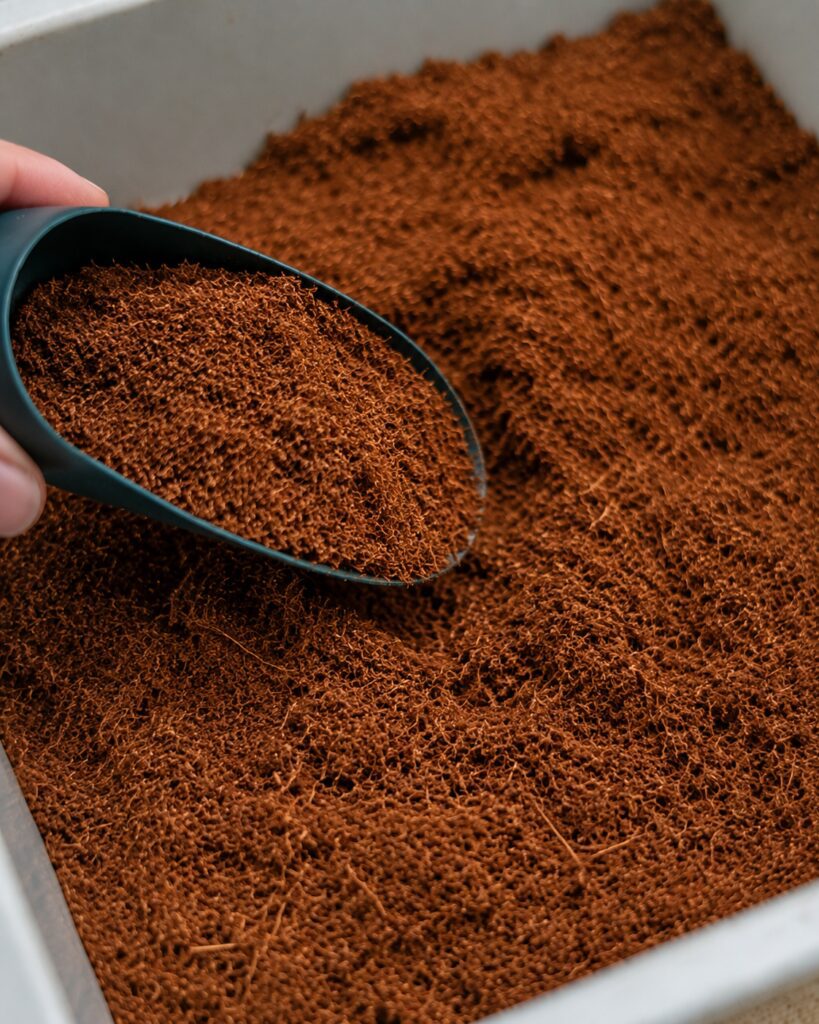
When I used coir consistently, my Monstera leaves developed a deeper green color, and the plant seemed to respond better to fertilizers.
Coconut coir also supports beneficial microbial life, keeping the root zone healthy and vibrant.
4. 25% (Perlite)
For aeration and drainage, I rely on 25% perlite. Perlite is lightweight and helps prevent soil compaction while allowing excess water to drain efficiently.
I learned the hard way that without perlite, my Monsteras could develop root rot after heavy watering.
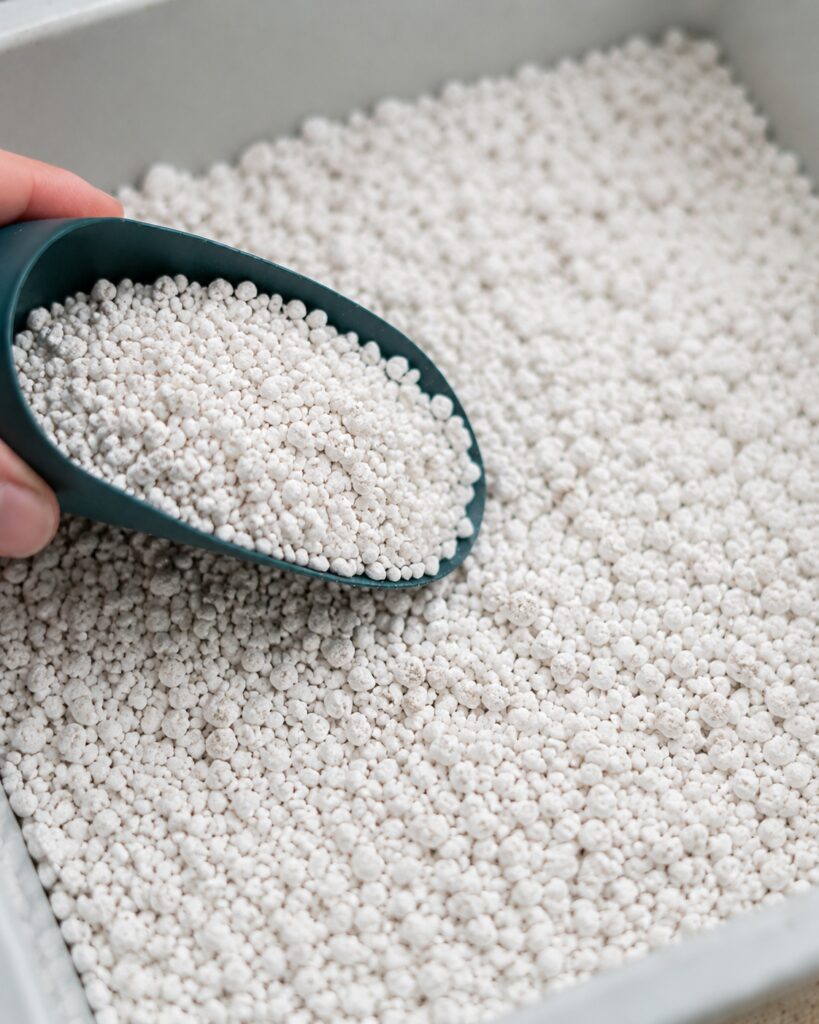
Perlite also creates small air pockets, which are essential for oxygenation of the roots. Since adding perlite, I’ve noticed that my plants grow faster and the new leaves emerge without curling or browning edges.
5. 10% (Activated Charcoal)
Finally, I mix in 10% activated charcoal. This ingredient may seem unusual, but it works wonders. Activated charcoal absorbs toxins and helps neutralize any harmful substances in the soil.
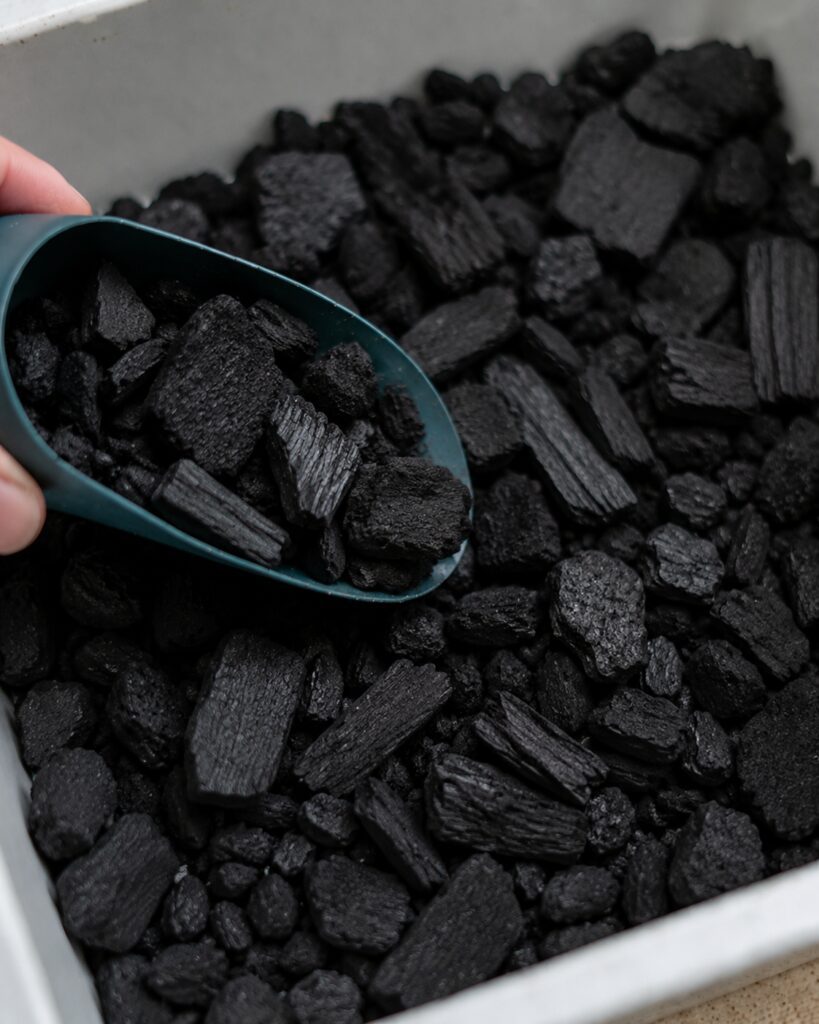
It also improves overall soil health by preventing bacterial overgrowth. Personally, I’ve found that plants in soil with charcoal stay fresher longer between waterings, and there’s a noticeable reduction in soil odor or discoloration.
This small addition has made a significant difference in maintaining a clean and healthy potting environment.
Mixing and Application Tips
Once all components are measured, I thoroughly mix them to create a uniform texture. I like to do this in a large container or tray so each element distributes evenly.
When potting my Monstera, I ensure the soil is slightly loose and airy, not packed down. This allows the roots to expand naturally.
One tip I’ve learned is to always slightly moisten the mix before potting—it helps the soil settle without compacting.
Watering and Maintenance
With this soil mix, watering becomes simpler. I water only when the top inch feels dry. The perlite and bark chips prevent overwatering issues, while the coconut coir retains just enough moisture.
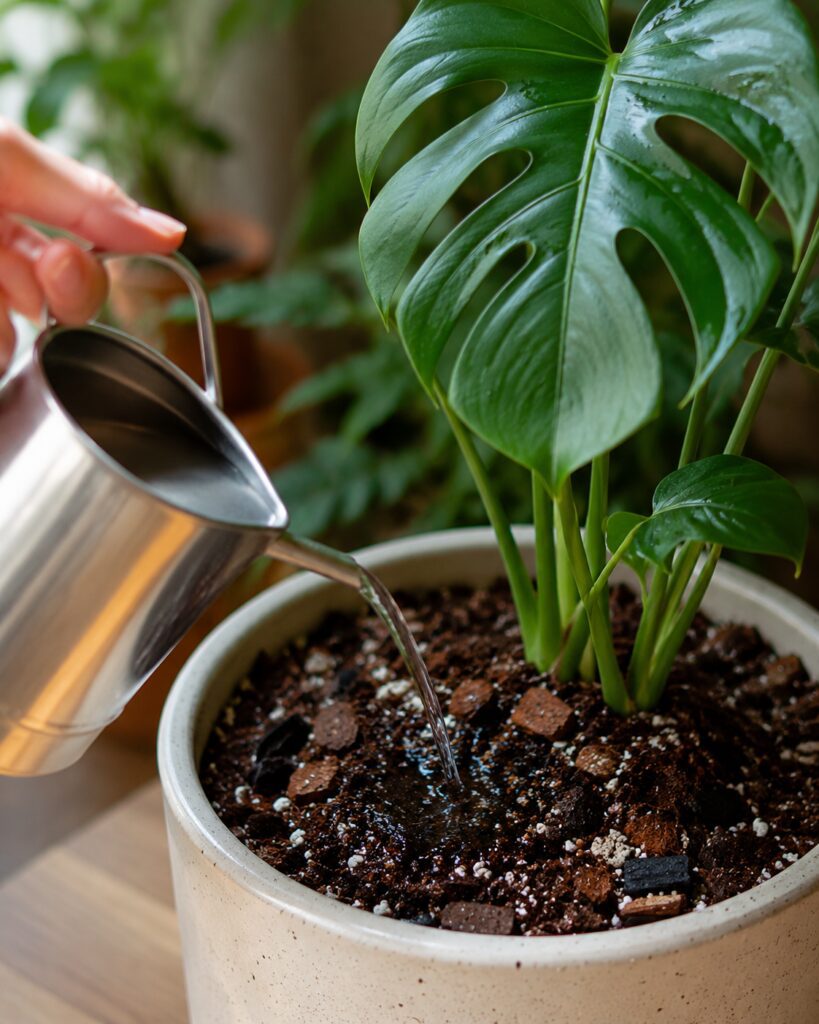
I also occasionally add a light layer of worm casting on top for extra nutrients. This soil mix has made my Monstera leaves shinier, larger, and free from common stress symptoms like yellowing or drooping.
Why This Soil Mix Works?
From my experience, the success of this Monstera soil mix comes down to balancing moisture retention, aeration, and nutrient availability.
Each ingredient serves a specific function:
- Potting mix and worm castings provide nutrients and microbial life.
- Bark chips ensure proper aeration and drainage.
- Coconut coir retains moisture without compaction.
- Perlite prevents waterlogging and improves root oxygenation.
- Activated charcoal keeps the soil clean and toxin-free.
This combination closely mimics the Monstera’s natural habitat, allowing the plant to grow strong and resilient.
Troubleshooting Common Issues
Even with a perfect soil mix, issues can arise. If leaves start yellowing, it’s often a sign of overwatering. Browning tips can indicate low humidity, not soil problems.
I’ve learned to observe the soil moisture carefully, check for pests, and adjust watering schedules accordingly. With this mix, I’ve rarely had to repot, and my Monsteras thrive with minimal intervention.
Growing Monsteras Made Simple
Creating the perfect soil mix for your Monstera may seem daunting, but with the right combination of potting mix, worm castings, bark, coir, perlite, and charcoal, it becomes straightforward.
This mix has transformed my indoor gardening experience. My Monsteras are healthier, leaves are larger, and the roots are vibrant. By replicating these conditions, anyone can enjoy thriving Monstera plants.
I encourage you to try this mix, adjust proportions slightly based on your climate, and watch your Monstera flourish like never before.