
For years, I thought gardening success depended mostly on watering, sunlight, and buying healthy plants. Whenever a plant died, I blamed the weather, insects, or simply bad luck. But after repeatedly struggling with weak vegetables, yellow leaves, and flowers that refused to bloom properly, I finally realized the real problem was hiding beneath my feet.
The soil itself was the issue.
Once I started learning about soil types and pH levels, everything in my garden began to make more sense. Certain plants were failing not because I was careless, but because they were growing in soil conditions they simply did not like.
That discovery completely changed the way I garden.
Instead of fighting nature, I started working with it. I learned how different soil types affect drainage, nutrients, root growth, and plant health.
More importantly, I realized that choosing the right plants for the right soil can save an enormous amount of time, money, and frustration.
Why Soil Type Matters More Than Most People Realize?
Before I understood soil properly, I used to buy plants based only on appearance. If something looked beautiful at the nursery, I assumed it would grow beautifully in my yard too.
Unfortunately, gardening does not work that way.
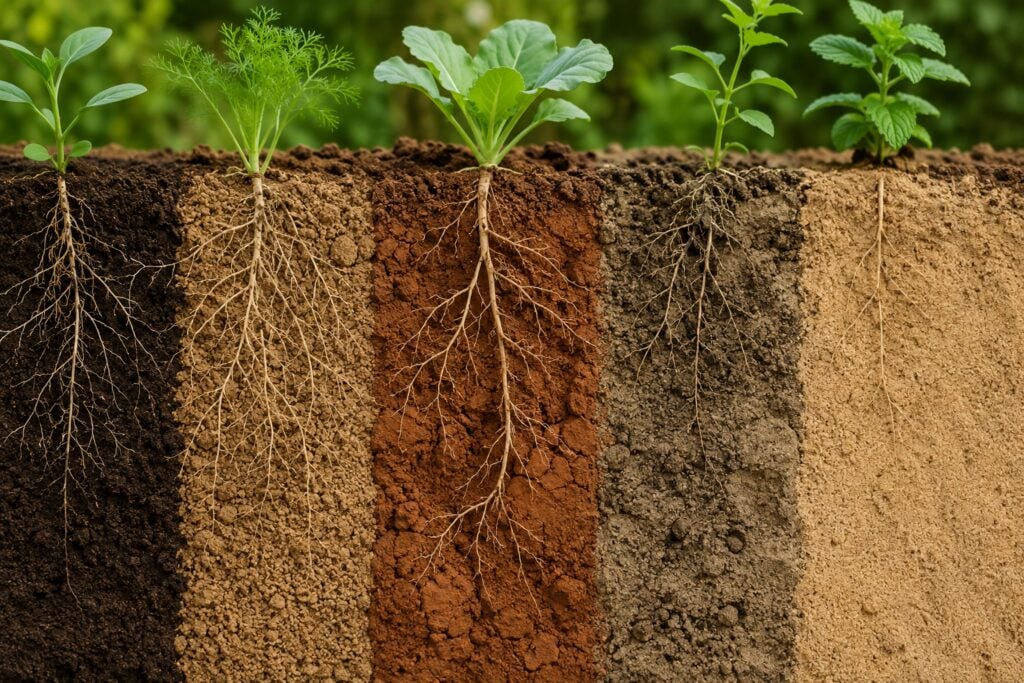
Different soils hold water differently, drain differently, and contain different nutrient levels. Some soils stay wet for too long, while others dry out almost immediately.
Some are highly fertile, while others struggle to support plant roots.
When the soil does not match the plant’s needs, problems start appearing quickly. Leaves become yellow, roots weaken, flowering slows down, and growth becomes disappointing.
Once I began matching plants with the correct soil type, gardening became dramatically easier. Plants looked healthier, required less maintenance, and survived weather changes much better.
Understanding Soil pH Helped Me Solve Many Problems
One thing that confused me at first was soil pH. I used to see numbers like 5.5 or 7.0 on gardening labels and completely ignore them.
Later, I learned that soil pH measures how acidic or alkaline the soil is. This matters because pH affects how plants absorb nutrients. Even if nutrients are present in the soil, plants may struggle to absorb them if the pH level is wrong.
Most plants grow well in slightly acidic to neutral soil, but some species prefer much more acidic or alkaline conditions.
Testing my soil was surprisingly simple. I bought an affordable soil test kit and discovered that different parts of my yard actually had different pH levels.
That explained why some plants performed beautifully in one area but poorly in another.
Loam Soil Became My Favorite
The first soil type I learned about was loam soil, and honestly, it felt like discovering the dream soil for gardening.
Loam is often considered ideal because it balances sand, silt, and clay in a way that supports healthy root growth while still draining properly. It retains enough moisture for plants without becoming waterlogged.
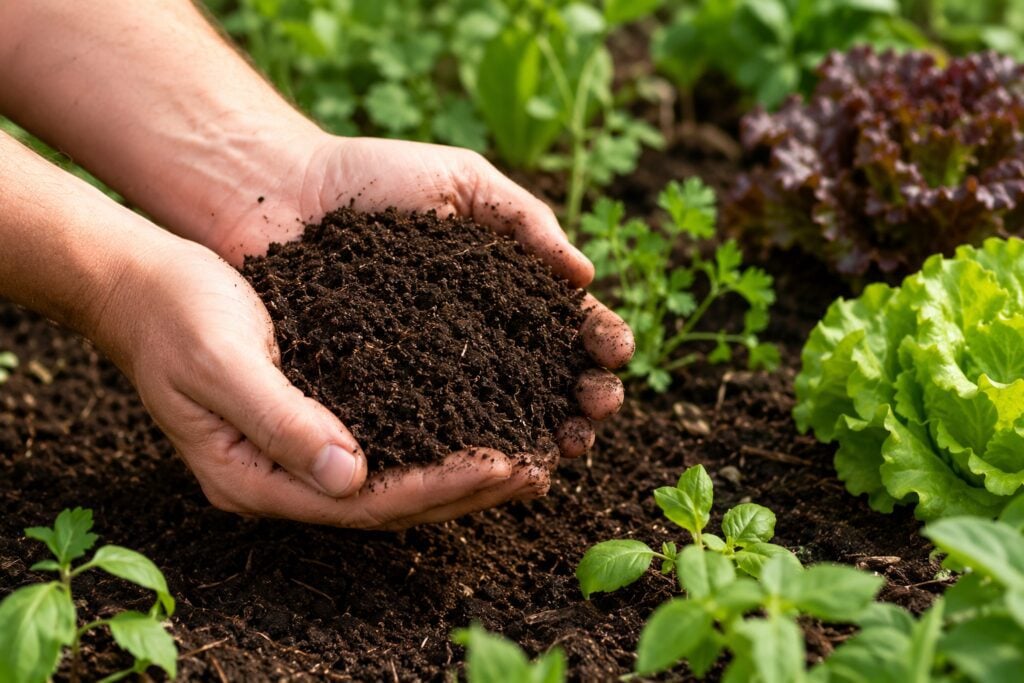
The texture feels soft, crumbly, and rich with organic matter.
In my experience, vegetables and flowers thrive especially well in loam soil. Tomatoes, lettuce, herbs, and flowering plants all seemed happier once I improved certain garden beds toward a loamy structure.
Loam soil usually falls around a pH range of 6 to 7, which works well for many common garden plants. The biggest benefit I noticed was balance. Watering became easier because the soil neither dried too quickly nor stayed soggy for too long.
Chalk Soil Can Be Challenging but Rewarding
At first, chalk soil intimidated me because it seemed rocky and difficult to work with. It drains very quickly and tends to be more alkaline, usually with a pH around 7.1 to 8.
Some plants struggle in these conditions because nutrients like iron become less available.
However, I eventually learned that many plants actually love alkaline soil. Lavender became one of the best performers in areas with chalky conditions. Lilacs and spinach also handled it surprisingly well.
The key lesson I learned with chalk soil is that organic matter becomes extremely important. Adding compost helped improve moisture retention and soil structure significantly.
Instead of constantly fighting the soil, I started choosing plants naturally suited for alkaline conditions. That simple shift made gardening much easier.
Peat Soil Holds Moisture Extremely Well
The first time I worked with peat soil, I immediately noticed how dark and rich it looked. It holds moisture exceptionally well and contains large amounts of organic material.
Peat soil tends to be acidic, usually with a pH between 3.5 and 5.
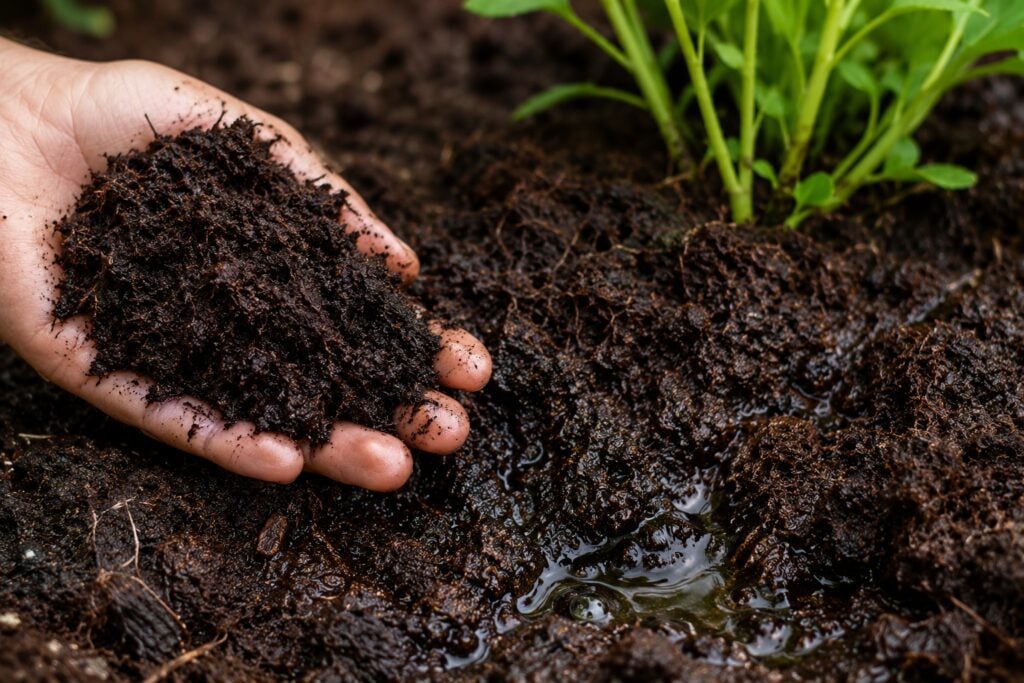
This type of soil works beautifully for acid loving plants like blueberries, azaleas, and camellias. Once I understood this, I stopped wondering why my blueberries struggled in other parts of the garden.
However, peat soil also comes with challenges. Because it holds moisture so effectively, drainage can sometimes become an issue during heavy rainfall.
I learned that improving airflow and avoiding overwatering were important in peat rich areas.
Still, for certain plants, peat soil can feel almost perfect.
Silt Soil Surprised Me the Most
Silt soil was one of the most interesting soil types I encountered because it feels smooth and fertile while holding moisture very effectively.
Compared to sandy soil, silt retains nutrients much better, which makes it excellent for many productive gardens.
In my experience, plants in silt soil often grow quickly and vigorously. Tomatoes and roses performed especially well in these conditions. The challenge with silt soil is compaction. After heavy rain, the soil can become dense and restrict airflow around roots.
To improve this, I started mixing compost into the soil regularly. Organic matter helped loosen the structure while keeping the fertility benefits intact.
Silt soil taught me that even fertile soil still needs maintenance to stay healthy over time.
Clay Soil Tested My Patience
Clay soil was probably the most frustrating soil type I ever dealt with. It feels heavy, dense, and sticky when wet, but becomes hard and cracked during dry weather.
Water drains slowly, which can create root problems if plants sit in wet soil for too long.
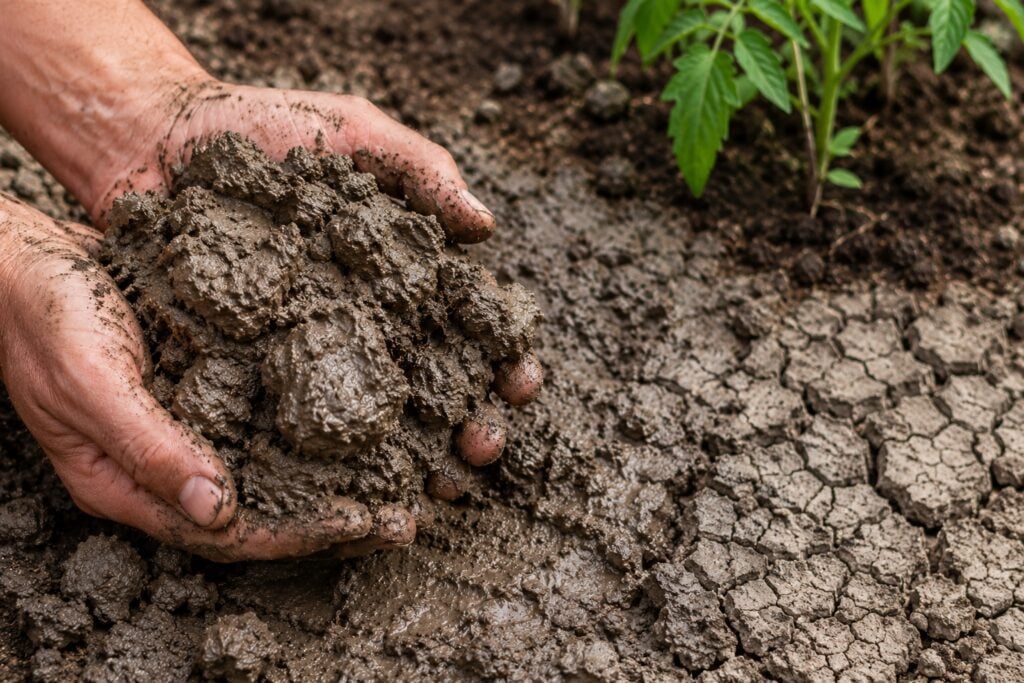
At first, I hated gardening in clay soil. But over time, I realized clay is actually rich in nutrients. The problem is not fertility. The problem is structure.
Once I started adding compost, mulch, and organic material regularly, the soil slowly improved. It became easier to work with and better at supporting healthy roots.
Plants like roses, broccoli, and beans adapted surprisingly well once the clay structure improved. Clay soil taught me one important lesson: difficult soil does not mean impossible soil.
Sandy Soil Requires a Different Strategy
The easiest soil to dig was definitely sandy soil. It feels loose, light, and drains water very quickly.
At first, that seemed like a good thing.
But I quickly discovered that sandy soil also loses nutrients and moisture very fast. During hot weather, plants can dry out surprisingly quickly.
Herbs and carrots performed well in sandy conditions because they appreciate good drainage. However, many thirsty vegetables struggled unless I watered consistently.
The solution for sandy soil was adding large amounts of compost and mulch. These materials helped the soil retain moisture longer while improving nutrient availability.
Instead of trying to completely change the soil, I learned to adapt my gardening methods around its natural behavior.
How I Improved My Soil Naturally?
One of the biggest mistakes I used to make was relying too heavily on fertilizers while ignoring soil health itself. Eventually, I realized healthy soil is the true foundation of healthy plants.
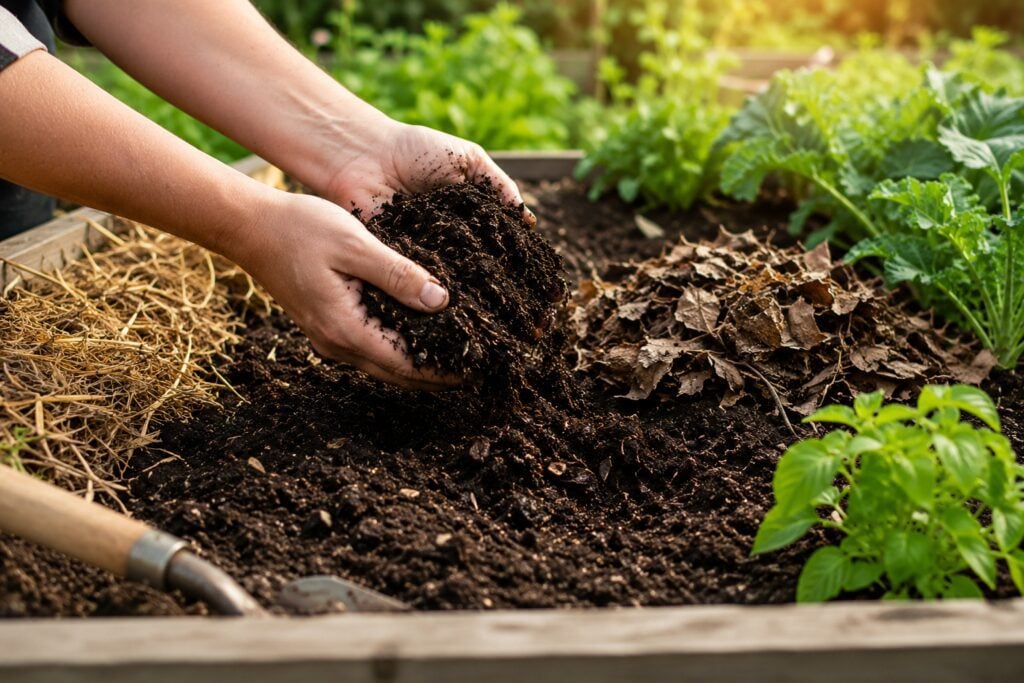
I started focusing on natural improvements like:
- Adding compost regularly
- Using mulch to protect moisture
- Avoiding excessive chemical use
- Planting cover crops
- Encouraging earthworms and beneficial organisms
Over time, the soil became softer, richer, and easier to work with. Plants became healthier with less effort. The garden stopped feeling like a constant battle.
Testing Your Soil Is Easier Than You Think
Many people avoid soil testing because it sounds technical or complicated. I used to think the same thing. But basic soil testing is actually very simple.
You can buy inexpensive pH testing kits online or at garden centers. Some local agricultural offices even offer soil analysis services.
Once I tested my soil, I stopped guessing. I finally understood why certain plants failed while others thrived effortlessly. That information saved me from wasting money on plants that were never suited for my conditions in the first place.
Choosing the Right Plant Becomes Much Easier
One of the most rewarding parts of understanding soil is how much easier plant selection becomes. Instead of constantly struggling to force plants into the wrong conditions, I now choose species naturally suited for my soil.

Gardening became less stressful and far more enjoyable.
Plants grow stronger, pests become less problematic, and maintenance decreases significantly when the environment matches the plant’s natural preferences. The garden feels healthier overall because everything works together more naturally.
Final Thoughts
Learning about soil types completely transformed the way I garden. What once felt confusing and unpredictable suddenly became logical and manageable.
Instead of blaming myself every time a plant struggled, I learned to look at the soil first. That simple change in perspective improved nearly every part of my gardening experience.
Whether your soil is sandy, clay heavy, chalky, silty, peaty, or beautifully loamy, the key is understanding what makes it unique and working with it rather than against it.


