
I used to think rain gardens were just decorative, but after struggling with puddles every rainy season, I realized they are a simple and practical way to manage water naturally.
They reduce standing water, support pollinators, improve soil health, and make outdoor spaces feel alive.
The best part is that you don’t need a large yard, expensive tools, or professional experience to create one—just the right plants and a little planning can completely transform how your yard handles heavy rain.
What is a Rain Garden?
At first, I assumed a rain garden was simply a garden that likes water. But after learning more, I realized it is actually a carefully designed shallow area that collects and filters rainwater runoff from roofs, driveways, patios, and lawns.
Instead of allowing water to rush into storm drains, a rain garden slows the flow down and gives the soil time to absorb it naturally. The plants inside the garden help process the water while their roots improve drainage beneath the surface.
What makes rain gardens different from ordinary flower beds is their structure. They are usually placed in slightly lower areas of the yard where water naturally flows.
Native plants with deep root systems are then used to absorb moisture efficiently.
One of the most impressive facts I learned is that rain gardens can absorb and process significantly more water than traditional lawns. That means less erosion, less flooding, and healthier soil over time.
Choosing the Right Location Matters
One thing I quickly learned is that placement can make or break a rain garden. I originally considered building mine near the house because it seemed convenient, but that would have caused drainage problems near the foundation.
A good rain garden should be located in a naturally low area where water already collects after rain.
However, it also needs to be far enough away from buildings, septic systems, wells, and underground utilities.
I found that observing my yard during heavy rain helped a lot. I watched where water flowed, where puddles formed, and which areas stayed wet the longest. That simple step gave me a clear idea of the best location.
Sunlight also matters more than I expected. Many rain garden plants thrive in full sun, so choosing a bright location helps the garden stay healthier and more colorful throughout the year.
Why Native Plants Work Best?
The biggest mistake I almost made was choosing plants based only on appearance. I initially wanted exotic flowers with dramatic colors, but after more research, I realized native plants are far more effective for rain gardens.
Native plants are already adapted to local weather, rainfall, and soil conditions. That means they require less maintenance, less watering, and fewer fertilizers. Their deep roots also help absorb water better than many ornamental plants.
Once I switched my focus to native species, the entire project became easier.
The plants established themselves faster, handled storms well, and attracted butterflies, bees, and birds almost immediately.
Some of the plants commonly used in rain gardens include:
1. Little Bluestem Grass
This ornamental grass adds texture and movement while helping stabilize soil with deep roots.
Little Bluestem grass sways like liquid bronze across the prairie, its delicate stems catching the sunlight in a dance that seems almost alive.
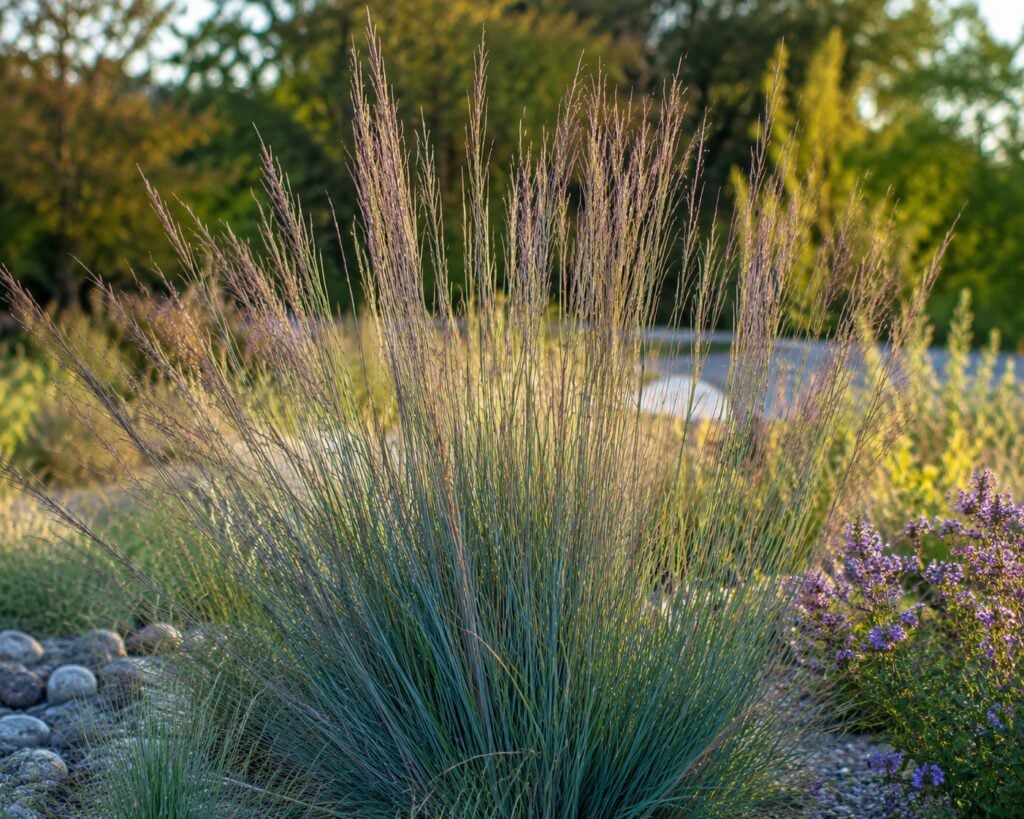
Each tuft tells a story of resilience, thriving in dry soils where few other plants dare to root, providing shelter and food for birds and small mammals alike.
In autumn, its blue-green blades shift to warm copper tones, carpeting the landscape in a soft, rustling sea that whispers of the cycles of nature, quietly anchoring the wild ecosystem it calls home.
2. Liatris
Liatris rises like a slender flame in the garden, its tall spikes dotted with clusters of purple blossoms that seem to reach endlessly toward the sky.
Bees and butterflies are drawn to its nectar, turning the stalks into lively highways of color and movement.
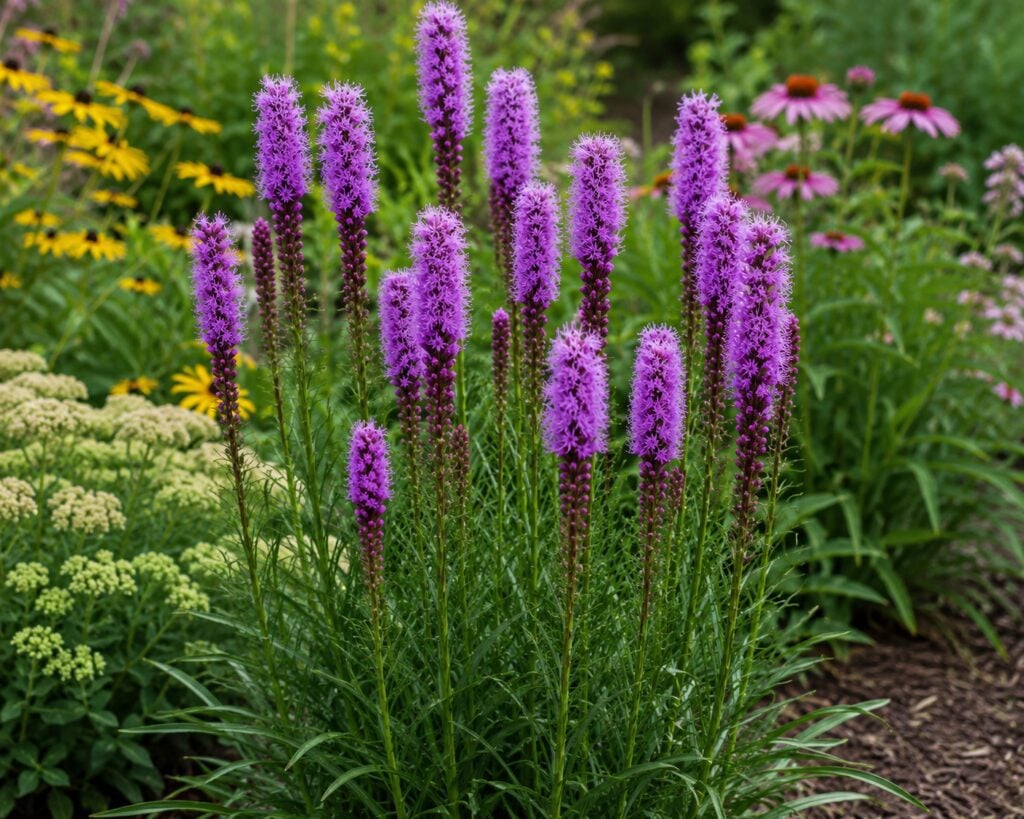
As the sun shifts, the blooms catch the light, glowing with a delicate intensity, while the plant’s feathery foliage sways gently in the breeze, adding a soft texture to the landscape.
Liatris stands as both a statement and a sanctuary, offering beauty, life, and quiet resilience all at once.
3. Milkweed
Milkweed stretches boldly along the meadow, its clusters of pink and orange blossoms glowing like tiny lanterns in the sunlight.
Monarch butterflies flit from flower to flower, laying eggs and sipping nectar, while the silky seeds drift lazily on the breeze, carrying life to new corners of the field.
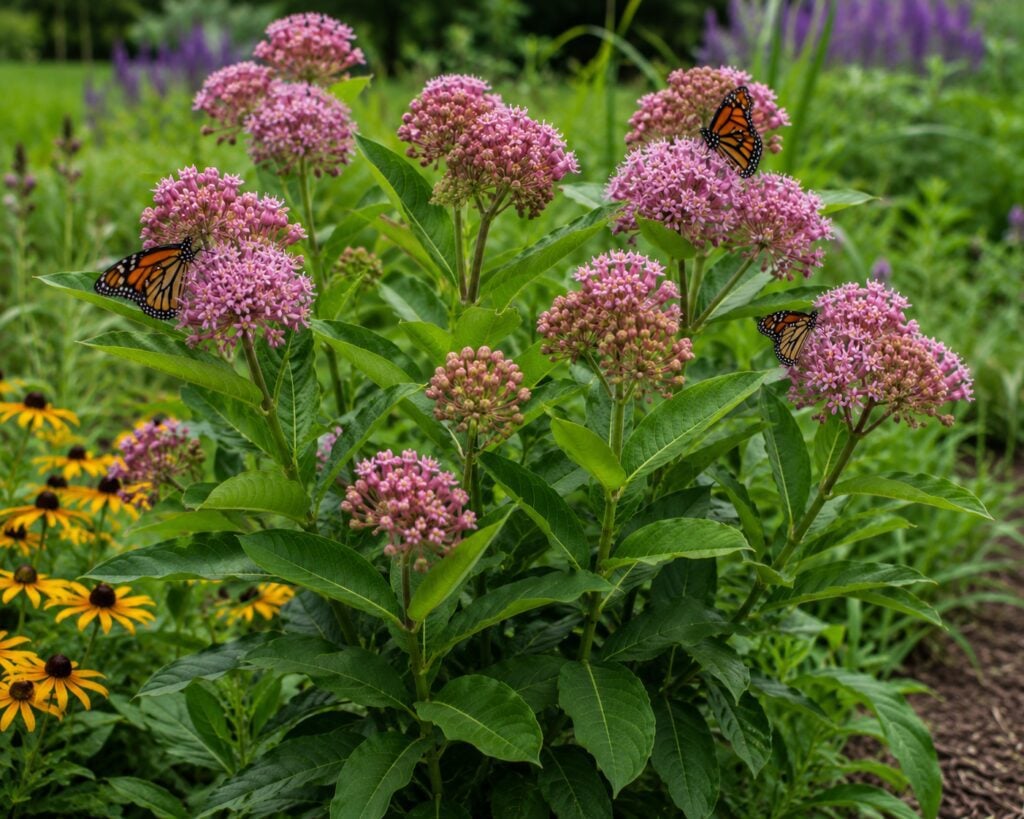
Its broad, green leaves and sturdy stems offer shelter to caterpillars and small insects, making milkweed a quiet cornerstone of the ecosystem.
There’s a wild, untamed beauty to it—a plant that nurtures life, feeds wings, and reminds the world that even in simple places, magic grows.
4. Red or Yellow Dogwood
Red and yellow dogwoods stand like bursts of fire along the woodland edge, their vibrant stems glowing against the muted winter landscape.
In the colder months, when leaves have fallen and the forest floor lies bare, their striking colors bring life and warmth, catching the eye of wandering birds and passersby alike.
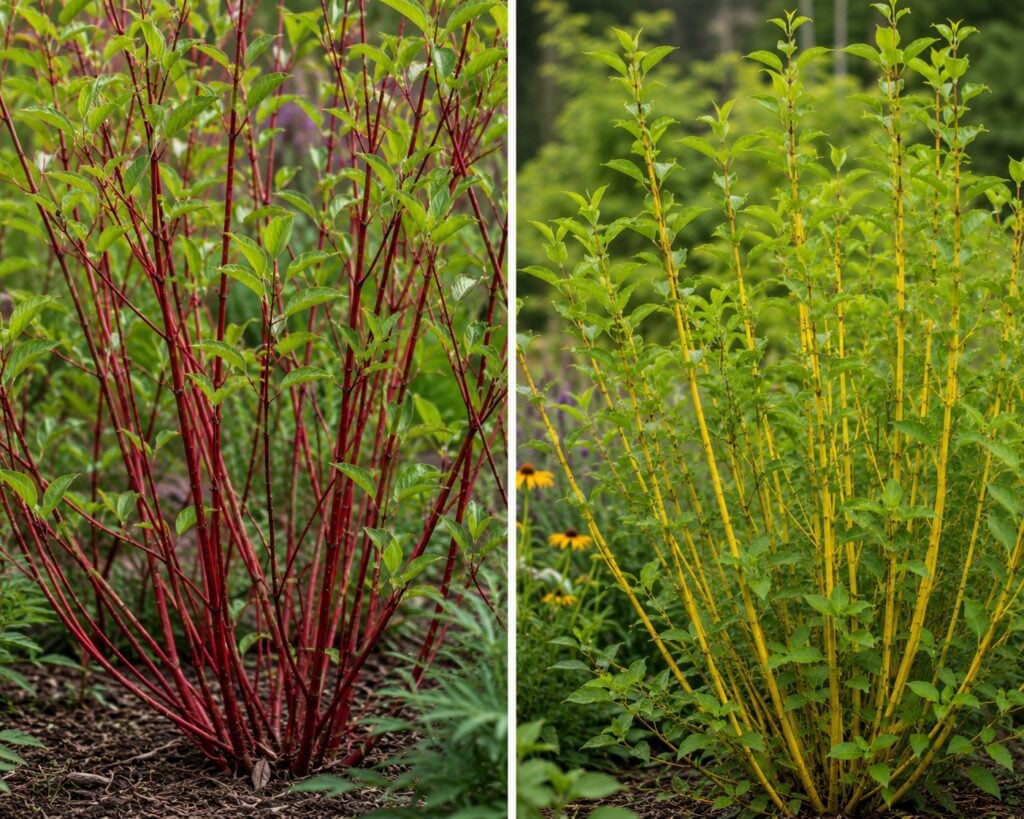
Snow may dust their branches or sunlight may glint off their smooth bark, but whether in frost or in sun, these dogwoods anchor the scenery with bold elegance.
Each stem tells a story of resilience and seasonal beauty, turning a quiet forest corner into a living painting of color and light.
5. Joe Pye Weed
Joe Pye Weed towers gracefully at the edge of meadows, its clusters of soft lavender flowers swaying gently in the summer breeze.
The air hums with the busy chatter of bees and butterflies, drawn irresistibly to its sweet nectar, while its tall, sturdy stems seem to reach for the sky with quiet confidence.
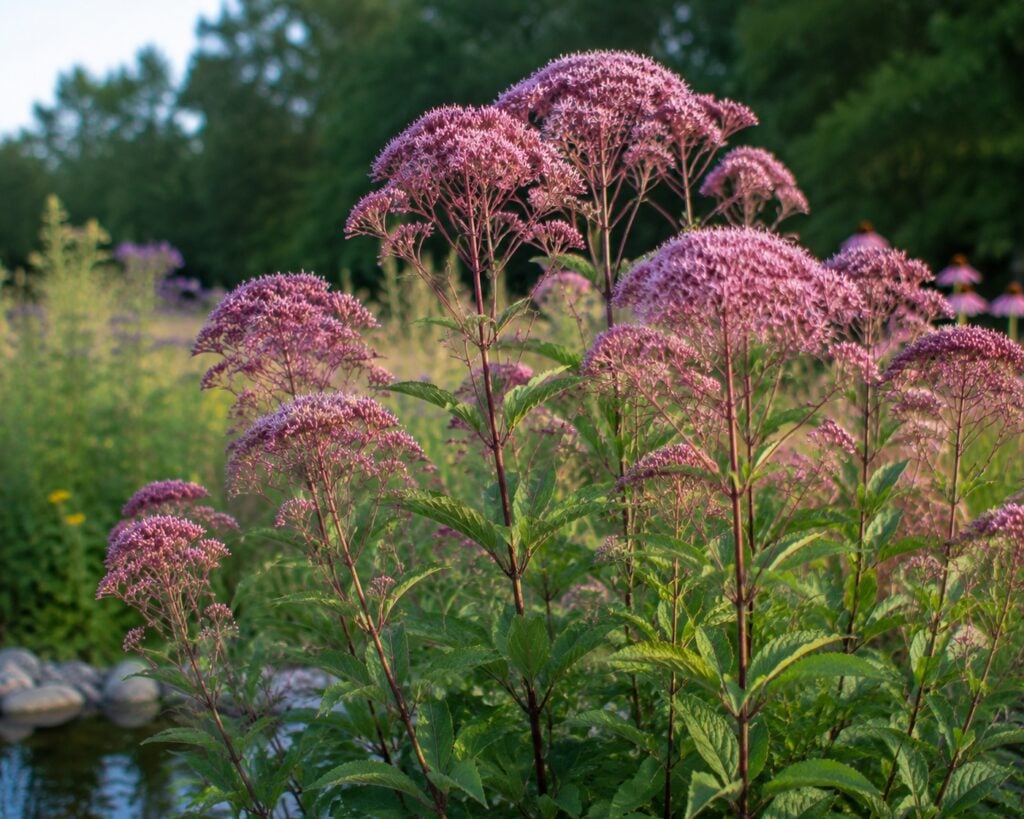
Amid the tall grasses and wildflowers, Joe Pye Weed adds both height and color, creating a sense of abundance and life.
There’s a subtle magic to it—a plant that nourishes the pollinators, brightens the landscape, and whispers the gentle rhythm of summer in every rustle of its leaves.
6. Cardinal Flower
The Cardinal Flower blazes like a jewel along the stream’s edge, its vivid scarlet blooms standing tall against the lush green backdrop of summer foliage.
Hummingbirds hover with delicate precision, drawn to the fiery petals as if guided by an unseen compass, sipping nectar from each tubular blossom.
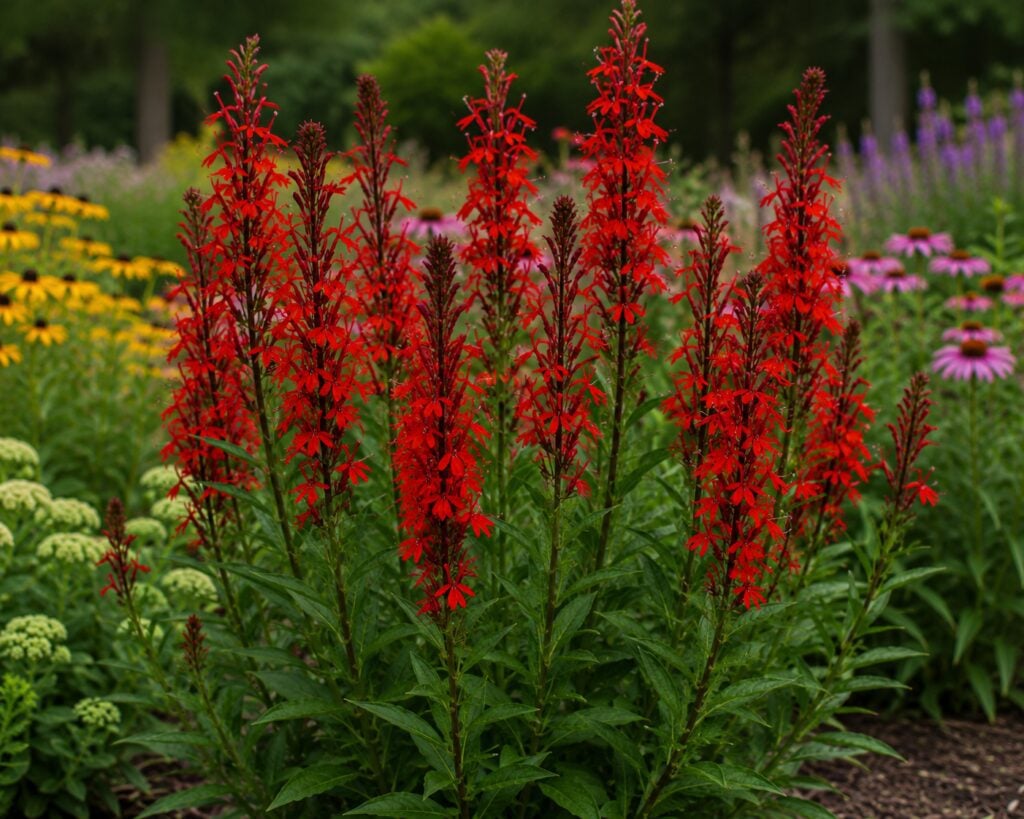
The plant’s slender stems and lance-shaped leaves sway gently in the breeze, reflecting sunlight like polished glass, while its brilliance punctuates the quiet rhythm of the water and rustling reeds.
In every striking bloom, the Cardinal Flower captures both the eye and the heart, a living spark of color in the wild landscape.
7. Turtlehead
Turtlehead rises along the damp edges of streams and wetlands, its unique, helmet-shaped blooms resembling tiny turtles peeking from the greenery.
The soft pink and white flowers draw curious bees and butterflies, while their sturdy stems anchor the plant in the rich, moist soil.
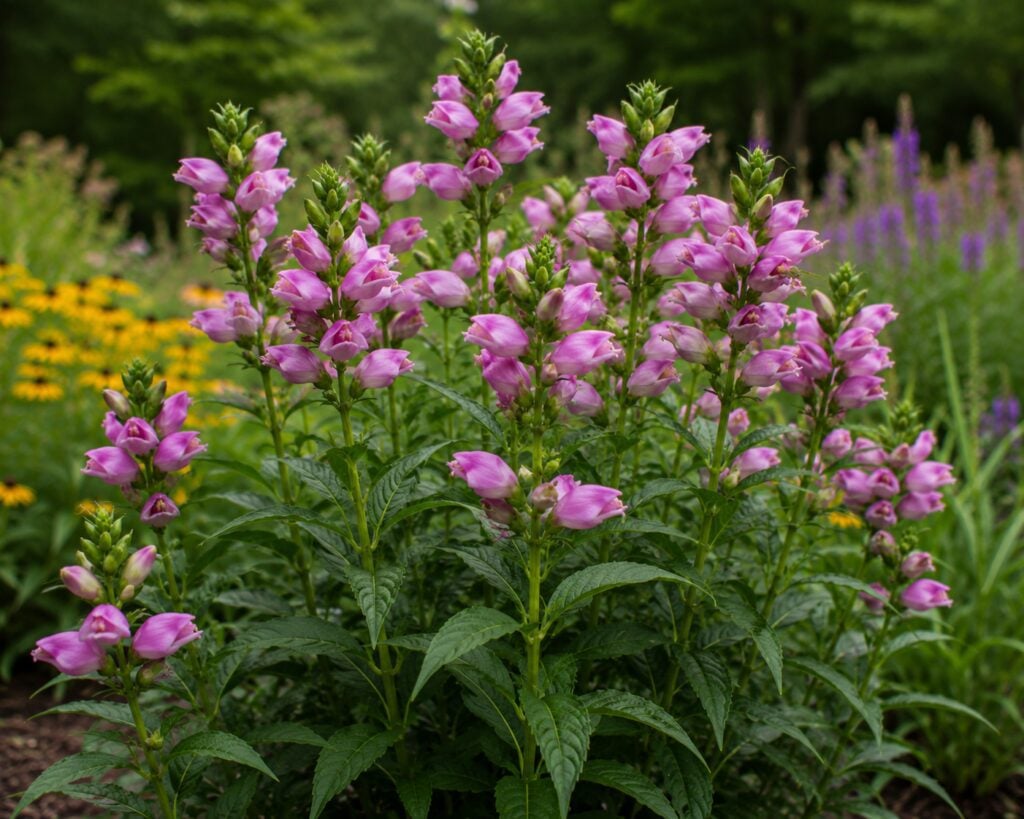
Amid the lush foliage, Turtlehead adds a touch of whimsical charm to the landscape, a quiet reminder of nature’s creativity and resilience.
Each bloom seems almost sculpted, holding its shape with gentle strength, turning ordinary wetlands into a place of subtle wonder and discovery.
Preparing the Soil Properly
I underestimated how important soil preparation would be. At first, I thought digging a shallow hole and planting flowers would be enough. But rain gardens need soil that can absorb water efficiently.
If the soil drains too slowly, water can sit for too long. If it drains too quickly, the garden loses its ability to filter runoff properly.
I tested my soil drainage by digging a small hole, filling it with water, and observing how long it took to drain. This simple test helped me understand whether I needed to improve the soil with compost or sand.
In my case, adding organic matter improved the structure significantly. The soil became looser, healthier, and much better at handling heavy rain.
Creating gentle slopes inside the garden also helped direct water naturally through the planting zones instead of allowing it to pool unevenly.
The First Year Requires Patience
One thing nobody talks about enough is how important patience is during the first year of a rain garden.
When I first planted mine, it honestly looked sparse and unfinished. Some plants seemed slow to grow, while others looked stressed from changing weather conditions.
But experienced gardeners kept telling me the same thing: deep roots take time.
During the first year, most native plants focus their energy below the surface. That underground growth is what eventually makes them resilient, drought tolerant, and effective at absorbing water.
I watered the garden regularly during dry periods to help the plants establish themselves. After about a year, the difference was incredible. The plants filled out beautifully, weeds became less of a problem, and the garden started functioning exactly as intended.
Avoiding Chemicals Changed Everything
One lesson I became passionate about was reducing chemical use in the garden.
Traditional pesticides and synthetic fertilizers can wash into waterways during rainstorms, harming pollinators and local ecosystems. Since rain gardens are designed to filter water naturally, using harsh chemicals defeats much of their purpose.
Instead, I focused on healthier soil, native plants, and natural maintenance methods. Surprisingly, this approach made the garden easier to manage over time.
Beneficial insects started appearing naturally, pollinators became more active, and the overall ecosystem felt balanced without constant intervention.
I also noticed birds visiting the garden more frequently, especially during warmer months.
The Unexpected Beauty of a Rain Garden
I originally built my rain garden for practical reasons, but what surprised me most was how much beauty it added to my yard.
Unlike traditional lawns that often look flat and repetitive, rain gardens feel dynamic and alive. Different plants bloom at different times, grasses sway in the wind, and butterflies create constant movement throughout the space.
Even after storms, the garden feels peaceful rather than messy. Watching rainwater slowly disappear into the soil instead of flooding across the yard became strangely satisfying.
Friends and neighbors started asking questions about the plants, the design, and how the system worked. Many of them had never heard of rain gardens before.
That made me realize how powerful simple landscaping choices can be in changing the way people think about outdoor spaces.
Rain Gardens Help More Than Just Your Yard
Before starting this project, I only thought about solving my own drainage problem. But rain gardens actually provide environmental benefits that go far beyond a single property.
By slowing down runoff, rain gardens help reduce pressure on stormwater systems. They also filter pollutants before water reaches rivers, lakes, or streams.
Native plants support pollinators that many ecosystems depend on. In cities and suburbs where natural habitats continue disappearing, even small backyard gardens can make a difference.
Rain gardens also help recharge groundwater naturally while reducing erosion caused by fast moving water.
The more I learned, the more I realized this was not just landscaping. It was a small but meaningful environmental solution that homeowners can actually participate in.
My Advice for Anyone Starting a Rain Garden
Looking back, I am glad I started simple instead of trying to create the perfect garden immediately.
If I could give advice to beginners, I would say:
- Start by observing how water moves through your yard.
- Choose native plants whenever possible.
- Focus on healthy soil before planting.
- Be patient during the first year.
- Avoid overcomplicating the design.
- And most importantly, allow the garden to evolve naturally over time.
Rain gardens do not need to look perfectly manicured to work beautifully. In fact, part of their charm comes from their natural appearance and seasonal changes.
The best part is that every storm becomes less stressful. Instead of worrying about runoff and puddles, I now enjoy watching the garden do exactly what it was designed to do.


