
When I first planned a garden boundary, I assumed I needed a traditional fence. Then I discovered the dead hedge; a simple barrier made from stacked branches and garden prunings.
What looked like a pile of sticks turned out to be a practical, eco-friendly solution that recycles garden waste, supports wildlife, and adds natural charm.
After trying one myself, it quickly became one of my favorite garden projects.
What Is a Dead Hedge?
A dead hedge is a fence-like structure created by placing wooden stakes into the ground and filling the space between them with branches, sticks, logs, and other natural woody materials.
Unlike conventional fencing, a dead hedge is not manufactured. Instead, it is built from materials that are often considered waste.
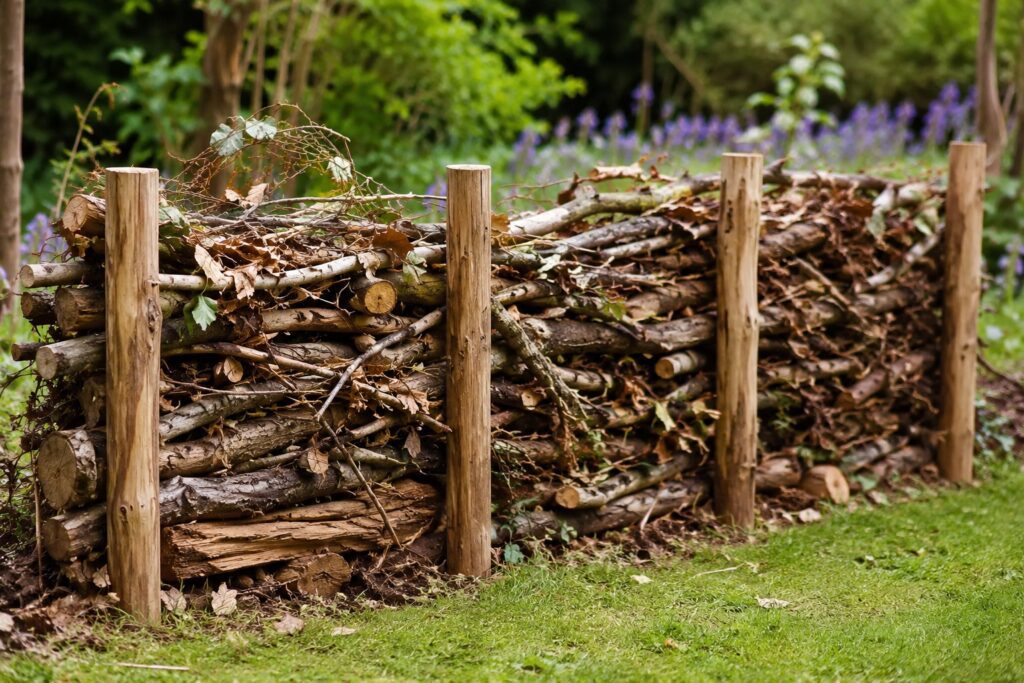
Garden prunings, fallen branches, storm debris, and old shrubs can all become part of the structure. Over time, the hedge naturally settles and decomposes while continuing to function as a protective barrier.
The beauty of a dead hedge lies in its simplicity. Rather than sending garden waste to a landfill or burning it, you transform it into something useful that benefits both your property and the environment.
How a Dead Hedge Is Built?
One of the reasons I love dead hedges is that they require very few materials and almost no specialized skills.
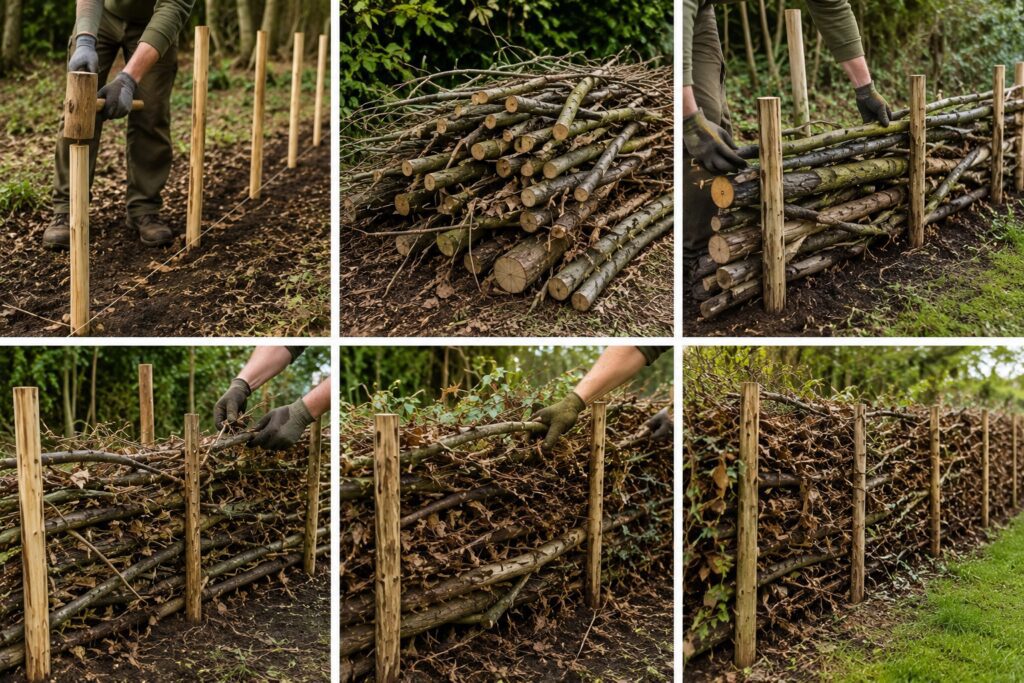
Building a dead hedge is surprisingly simple and starts with driving sturdy wooden stakes into the ground to create a framework.
I then fill the space between the stakes with branches, twigs, logs, and garden prunings, layering larger pieces first and smaller materials afterward to create a dense, stable structure.
Over time, I continue adding fresh garden waste whenever I trim trees or shrubs, allowing the hedge to grow naturally while providing shelter for wildlife, improving soil health, and creating a practical living boundary for my garden.
Step 1: Install the Stakes
The first step is driving sturdy wooden stakes into the ground. I typically space them about 30 to 60 centimeters apart in two parallel rows. The exact spacing depends on how wide I want the finished hedge to be.
The stakes act as the framework that holds everything together.
Step 2: Collect Branches and Garden Waste
Next, I gather fallen branches, pruning cuttings, twigs, and small logs from around the garden. This is often material that many gardeners would normally dispose of. Different sizes work best because they help fill gaps and create a stronger structure.
Step 3: Stack the Material
I begin placing larger branches between the stakes first. After that, I add smaller twigs and sticks to fill empty spaces. The goal is to create a dense, interwoven barrier that remains stable while still allowing small pockets of shelter for wildlife.
Step 4: Continue Adding Material
A dead hedge is never truly finished. Every time I prune trees, trim shrubs, or clean up storm damage, I simply add new material to the structure. This ongoing process helps the hedge grow stronger and more effective year after year.
The Wildlife Benefits That Amazed Me
One of the most rewarding parts of building a dead hedge was watching wildlife move in almost immediately.
What started as a simple pile of branches quickly became a safe haven for birds, insects, hedgehogs, and other small creatures looking for food, shelter, or nesting spaces.
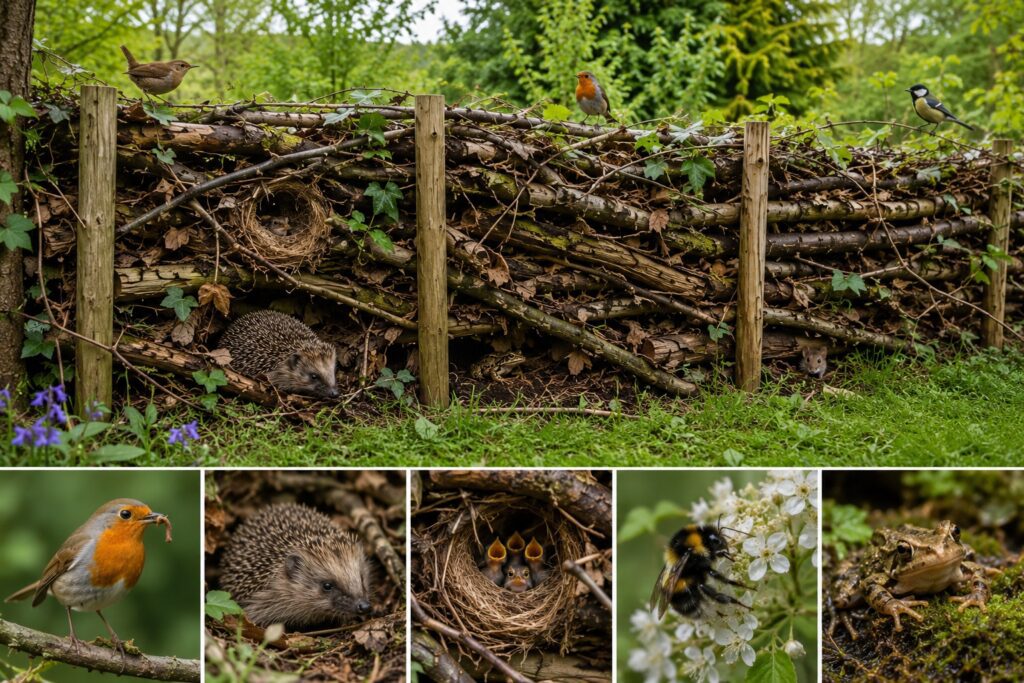
I regularly noticed birds searching for insects among the twigs, beneficial pollinators visiting nearby plants, and countless tiny organisms helping break down the wood.
Seeing so much life thrive around something made entirely from garden waste showed me that a dead hedge is far more than a fence, it is a thriving habitat that supports biodiversity and brings nature closer to the garden.
1. Shelter for Birds
Small birds love dead hedges because they provide protection from predators and harsh weather. The dense network of branches creates safe hiding places where birds can rest and nest.
I often see wrens, sparrows, and other small birds moving in and out of the structure throughout the day.
2. Safe Habitat for Hedgehogs
In regions where hedgehogs are present, dead hedges can become valuable shelter. The spaces between logs and branches offer protection and nesting opportunities.
Many wildlife organizations encourage gardeners to create natural habitats like dead hedges specifically for hedgehog conservation.
3. Support for Beneficial Insects
Dead wood is incredibly important for insects. Beetles, spiders, solitary bees, and countless other species use decaying wood for food, shelter, and reproduction.
These insects play a vital role in pollination and pest control. As a gardener, I appreciate having more beneficial insects around because they help maintain a healthier garden ecosystem.
4. Refuge for Amphibians and Small Animals
Frogs, toads, lizards, and other small creatures may also take advantage of the cool, protected spaces within the hedge. This additional biodiversity helps create a balanced and resilient environment.
How Dead Hedges Improve Soil Health?
One benefit I did not fully appreciate until later was how much a dead hedge can improve soil health.
As the branches, twigs, and woody materials slowly decompose, they add organic matter to the surrounding soil, helping it retain moisture, improve structure, and support beneficial organisms such as earthworms, fungi, and microbes.
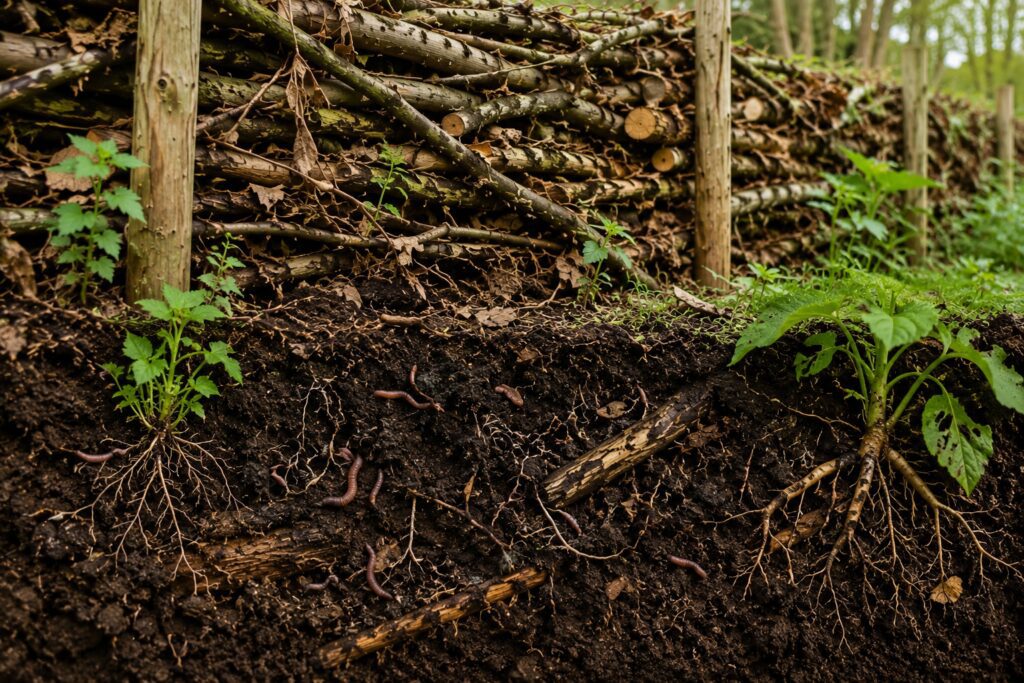
Over time, this natural process creates richer, healthier soil that can better support plant growth.
I also noticed that plants growing near my dead hedge appeared stronger and more resilient, likely because the decomposing wood was continuously feeding the soil and encouraging a thriving underground ecosystem.
1. Increased Organic Matter
Healthy soil contains organic matter that improves structure, fertility, and water retention. The slow decomposition of woody materials contributes valuable organic content that enriches the soil over many years.
2. Better Water Retention
Organic matter acts like a sponge. As the hedge breaks down, it helps the nearby soil hold moisture more effectively. This can be particularly beneficial during hot, dry periods.
3. Improved Soil Life
Earthworms, fungi, bacteria, and countless microorganisms thrive around decomposing wood. These organisms help cycle nutrients and maintain healthy soil conditions.
I noticed that plants growing near my dead hedge often appeared healthier and more vigorous compared to plants in other areas of the garden.
A Sustainable Alternative to Traditional Fencing
What I appreciate most about a dead hedge is that it turns garden waste into something genuinely useful.
Instead of buying manufactured fencing materials or sending branches and prunings to the landfill, I can recycle them directly in the garden to create a natural boundary that continues to provide value for years.
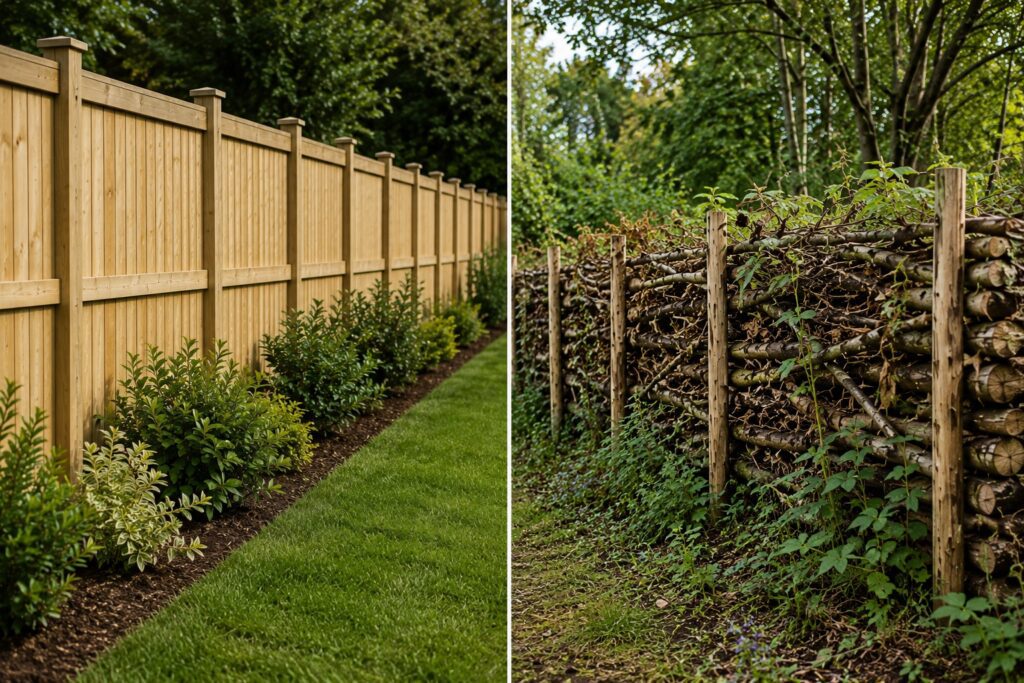
A dead hedge requires very few resources, reduces waste, supports wildlife, and improves the surrounding environment at the same time.
For me, it represents a simple yet effective way to garden more sustainably while working with nature rather than against it.
1. Reduces Waste
One of the biggest benefits of a dead hedge is how it transforms garden waste into something truly useful. Instead of hauling away branches, twigs, and prunings after every cleanup, you can simply add them to the hedge.
Over time, those leftover materials create a sturdy natural boundary while reducing disposal costs and keeping organic waste out of landfills.
It’s a simple, sustainable way to recycle what your garden already provides while supporting local wildlife at the same time.
2. Low Cost
One of the best things about a dead hedge is how affordable it is. Most of the materials come from routine garden maintenance, like fallen branches, hedge trimmings, and tree prunings, so you may not need to buy much beyond a few sturdy stakes.
With materials you already have, you can create a durable, natural boundary that saves money while benefiting wildlife, improving your garden, and giving new purpose to garden waste.
3. Lower Environmental Impact
One of the biggest advantages of a dead hedge is its low environmental impact. Instead of relying on manufactured fencing that requires production, transport, and eventual replacement, a dead hedge is built using natural branches, twigs, and prunings that are already available in your garden.
Reusing these materials helps reduce waste, supports local wildlife, and improves the health of your garden over time.
It’s a simple, sustainable solution that works with nature rather than against it, making it an excellent choice for eco-conscious gardeners.
Dead Hedge vS Modern Fence
After having both types of boundaries on my property, I can confidently say they serve very different purposes. A modern fence provides immediate privacy and a clean, uniform appearance.
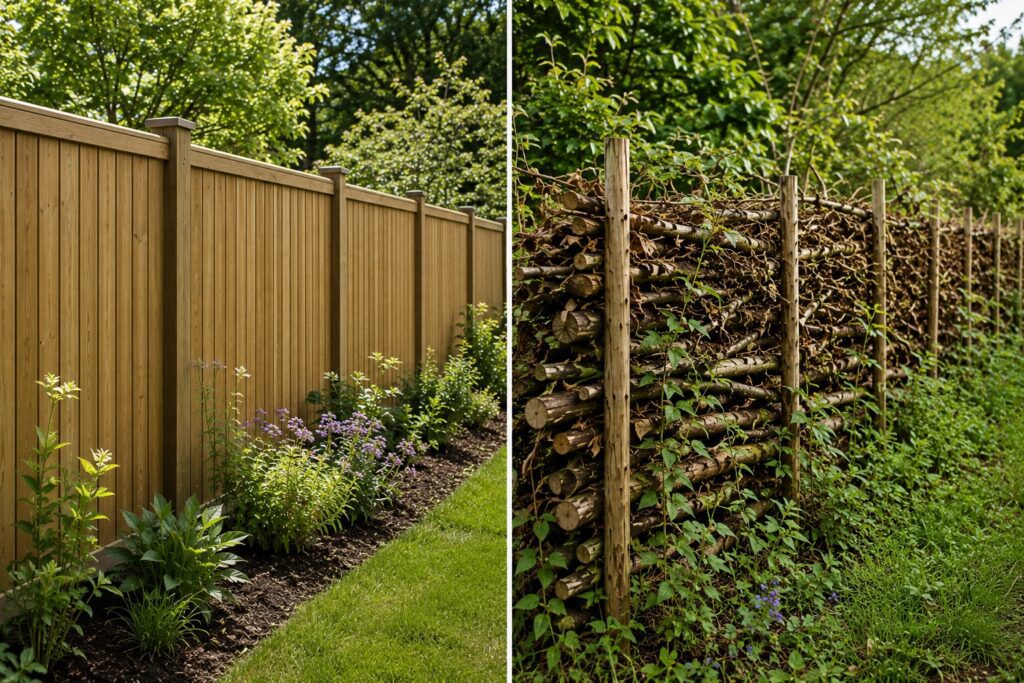
However, it contributes very little to the surrounding ecosystem. A dead hedge offers much more than a boundary. It becomes habitat, compost, shelter, and a source of biodiversity all at the same time.
1. Modern Fence
- Creates a clear boundary
- Offers privacy
- Requires purchased materials
- Provides little ecological value
- Eventually needs repair or replacement
2. Dead Hedge
- Creates a natural boundary
- Supports wildlife
- Improves soil health
- Recycles garden waste
- Evolves and improves over time
While a dead hedge may not provide complete privacy like a solid fence, its environmental benefits make it an excellent addition to many gardens.
Common Mistakes to Avoid
Building a dead hedge is simple, but avoiding a few common mistakes makes a big difference. Mixing large branches with smaller twigs creates a stronger, more stable structure, while making the hedge wide enough provides better shelter for wildlife.
It’s also worth leaving some natural debris in place instead of making it look too neat. Most importantly, be patient.
A dead hedge becomes stronger, more attractive, and more beneficial as it settles and develops into a thriving natural habitat over time.
1. Using Only Large Branches
One of the first mistakes I made was using mostly large branches to build my dead hedge. While they formed a good base, they left too many gaps.
Adding smaller twigs and flexible prunings filled those spaces, making the hedge stronger, more stable, and far more inviting for birds, insects, and other small wildlife. A mix of different branch sizes creates the best results.
2. Making It Too Narrow
Making a dead hedge too narrow is another common mistake. While a slim hedge may look tidy, it is often less stable and provides less shelter for wildlife.
Giving it a little extra width allows branches to lock together more securely, creating a stronger structure with more space for birds, insects, and other small animals.
It also holds more organic material, helping improve the surrounding soil over time.
3. Removing Natural Debris
One mistake to avoid is cleaning up too much natural debris around a dead hedge. While a tidy garden looks nice, small twigs, leaves, and bark create valuable shelter for birds, insects, and other wildlife.
As these materials break down, they also enrich the soil and support a healthier garden ecosystem.
Sometimes, leaving nature alone is the best thing you can do.
4. Expecting Instant Results
One of the most important things to remember is that a dead hedge gets better with time. At first, it may look like nothing more than a pile of branches, but as it settles, it becomes a thriving habitat for birds, insects, and other wildlife.
The wood slowly breaks down, enriching the soil and strengthening the garden ecosystem.
A little patience is rewarded with long-lasting natural benefits.
Is a Dead Hedge Right for Your Garden?
If you regularly generate garden waste and want a more sustainable landscape, a dead hedge is worth considering. It is particularly useful for:
- Wildlife-friendly gardens
- Cottage gardens
- Permaculture systems
- Woodland gardens
- Rural properties
- Sustainable landscaping projects
Even a small dead hedge can make a meaningful difference. You do not need a large property to experience the benefits.
Final Thoughts
Building a dead hedge completely changed how I think about garden waste. What once seemed like piles of unwanted branches became a valuable resource that supports wildlife, improves soil health, and creates a natural boundary.
The longer I maintain my dead hedge, the more benefits I notice. Birds use it for shelter, insects thrive within it, and the surrounding soil continues to improve.
Best of all, it costs very little and helps reduce waste at the same time.
If you are looking for an environmentally friendly alternative to traditional fencing, a dead hedge may be one of the simplest and most rewarding projects you can add to your garden.
It is proof that sometimes the most effective solutions come directly from nature itself.


